
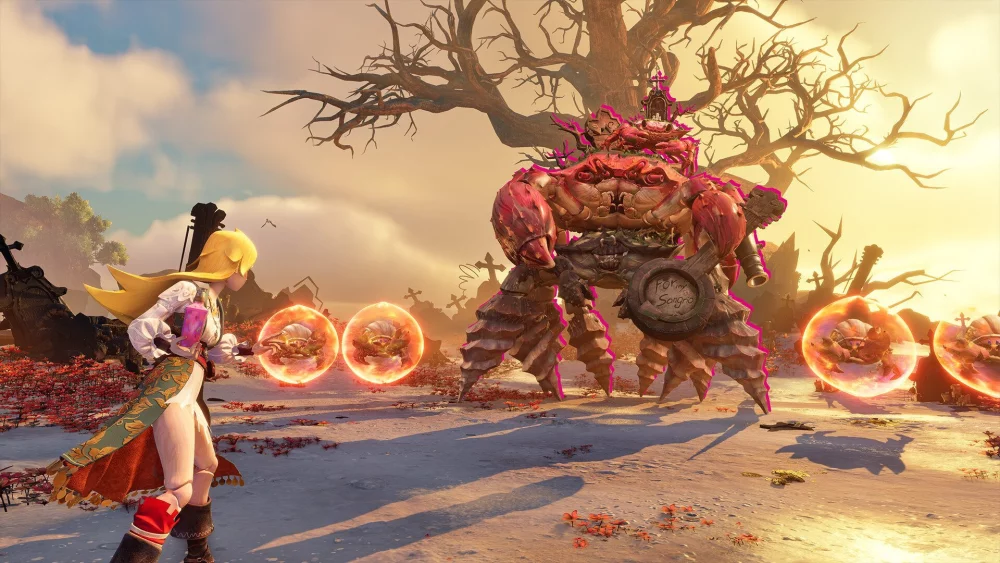
To progress efficiently through the early stages of Sea of Remnants, you must treat the hub city of Orbtopia as a strategic staging ground rather than a mere backdrop. By prioritizing critical narrative NPCs, mastering the mechanics of the "puppet-punk" environment, and carefully managing the transition from the Prologue through Chapter 3, you can secure the resources and upgrades necessary to dominate the open seas.
Navigating the Hub City of Orbtopia
Orbtopia is the beating heart of Sea of Remnants. It is not just the starting location; it is an information-dense network of mission triggers and world-building lore. Many players make the mistake of rushing toward objective markers, but Orbtopia rewards thoroughness.
- Verticality is Key: The city features layered architecture. If you cannot find a quest-giver, look up or down. Scaffolding and walkways often hide the most efficient paths to high-value NPCs.
- Dialogue Trees: Engage with every named NPC in the central districts. In Sea of Remnants, dialogue is often the gatekeeper for side quests that provide essential crafting materials or early-game upgrades.
- Environmental Cues: Pay attention to the "puppet-punk" aesthetic. Areas with dense mechanical clutter often indicate hidden loot caches or shortcuts that save you significant travel time as you move between districts.
Strategic Engagement with Prologue Narrative Triggers
The Prologue is designed to indoctrinate you into the combat rhythm and resource management systems of Sea of Remnants. Do not treat this as a simple tutorial; treat it as an optimization exercise.
- Looting Discipline: The game’s starting area is rich with debris. Scavenge everything. The resources you gather here provide the baseline for your first meaningful ship repairs and equipment upgrades.
- Combat Pacing: Combat in Sea of Remnants relies on understanding enemy telegraphs. Use the Prologue to practice parrying and positioning. If you rely on "button mashing" here, you will struggle when the game introduces more complex enemy types in later chapters.
- UI Mastery: The game’s UI provides subtle directional cues during scripted events. Follow these prompts precisely; they are designed to teach you the optimal pathing through the game's more linear early environments, preventing unnecessary backtracking.
Transitioning from Chapter 1 to Chapter 2
The transition from Chapter 1 to Chapter 2 represents a significant spike in difficulty. This is where the game shifts from guided urban exploration to the broader, more dangerous mechanics of open-world navigation.
To prepare for this shift, you must ensure your character is "up-to-date." Check your mission logs frequently. If you have multiple threads open, prioritize the main story markers—these are the primary drivers for unlocking advanced ship components. Without these core upgrades, your vessel will be severely underpowered when you reach the hazards of the open ocean in Chapter 2.
Expert Tip: Before leaving for your first major voyage, ensure you have exhausted all dialogue options with the harbor master. This interaction frequently unlocks a hidden tutorial on ship maintenance that can save you from a "game over" scenario during your first encounter with environmental hazards.
Managing the Chapter 3 Progression Milestone
Chapter 3 is the "gatekeeper" chapter. It tests whether you have synthesized the combat lessons of the Prologue with the tactical navigation skills learned in Chapter 2.
At this stage, you will face fortified outposts and tighter urban spaces that require specific equipment loadouts. If you find yourself hitting a wall, do not just attempt the mission again. Instead:
- Reassess your Gear: Does your current loadout emphasize mobility or raw damage? In Chapter 3, mobility is almost always superior due to the claustrophobic nature of the level design.
- Ship Status: If your ship is not upgraded to the latest tier available by the end of Chapter 2, you will find the ocean traversal in Chapter 3 significantly more punishing. Spend your resources on hull integrity and engine speed before pushing through the final mission of this chapter.
The Puppet-Punk Aesthetic: Mechanical Implications
The "puppet-punk" theme is central to the identity of Sea of Remnants. It is not merely a visual choice; it dictates how the world operates.
- Movement Limitations: Because your character and many NPCs are puppetry-based, movement often has a specific "weight" to it. You aren't as agile as a traditional RPG protagonist. Recognizing this limitation is vital for maneuvering through complex, vertical map layouts.
- Pathing Strategies: Designers hide secrets behind the "clutter" of the puppet-punk world. If you see a pile of discarded mechanical parts or hanging wires, look behind them. These are often visual signifiers for hidden rooms or shortcuts.
- Thematic Logic: Always consider the theme when solving environmental puzzles. If a door is locked in a puppet-punk world, it is likely held shut by a mechanical gear or a sequence of pulleys, not a magic key. Thinking like a mechanic will help you solve these puzzles faster than searching for arbitrary quest items.
Common Mistakes to Avoid
Even experienced players can fall into traps during the early game of Sea of Remnants. Avoid these common pitfalls to maintain your momentum:
- Ignoring Ship Maintenance: Players often prioritize character gear over ship gear. In this game, your ship is your lifeline. If your ship sinks, you lose access to vital travel routes and trade opportunities.
- Skipping Cutscenes: The narrative in the first three chapters contains critical information about the world’s power structures. Skipping these scenes leaves you blind to why certain factions are hostile toward you later on.
- Hoarding Consumables: Do not save your best repair kits or combat buffs for "later." The early game is precisely where you need to build your reputation and resource reserves. Using a consumable to win a tough fight in Chapter 2 is a better investment than letting it sit in your inventory while you struggle.
By focusing on the integration of Orbtopia’s hub mechanics with the tactical demands of the early chapters, you will navigate the initial hours of Sea of Remnants with ease. Remember: the game rewards preparation, observation, and thematic intuition. Master these elements, and you will be well-equipped for the challenges that lie beyond the horizon.

Free Sea of Remnants Codes
Current active codes and how to redeem them.

Sarah Williams
Sarah specializes in RPG and collection games, explaining team building, character growth, and beginner-friendly ways to avoid expensive early mistakes.
COMMUNITY
Player Comments
144 players commented on this guide.
Can you add more details about early game in a future update?
This helped me understand early game much better.
This guide answered the exact question I had.
I tried this today and it worked better than my old setup.