
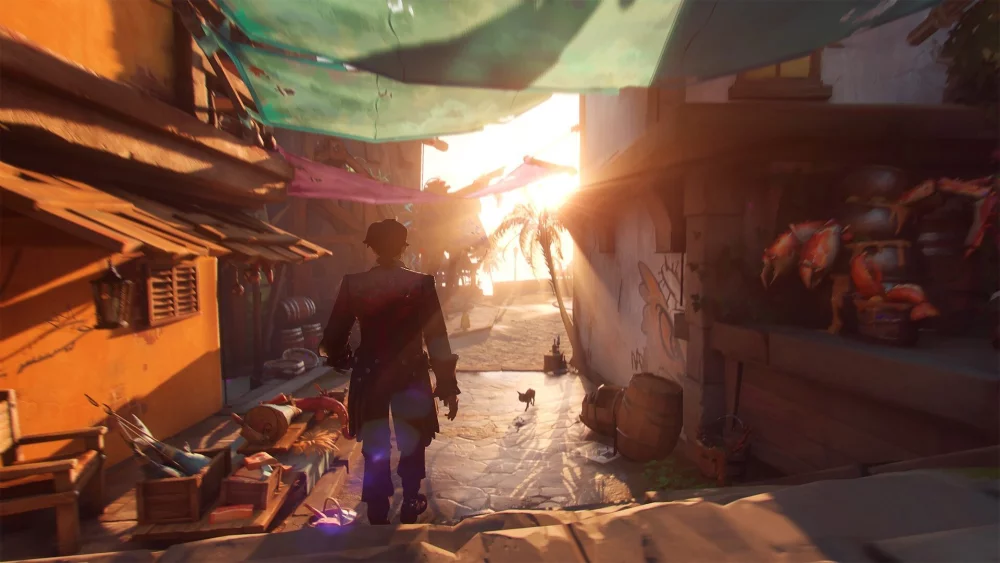
Entering the "Second Voyage" in Sea of Remnants represents a significant spike in difficulty and mechanical complexity. For players looking to transition from early-game survival to mid-game dominance, the key lies in abandoning the slow, methodical habits of the first playthrough in favor of aggressive resource reinvestment and tactical scaling. By leveraging your existing knowledge and initial capital, you can bypass traditional grind walls and maintain a rapid pace of exploration.
Understanding the Second Voyage Mechanics
The Second Voyage is not merely a reset; it is a scaling challenge that tests how well you integrated your fleet’s capabilities during your initial run. In this stage, enemy density increases, and "trash mobs" are replaced by resilient, high-damage threats that require more than just basic ship gear to overcome.
The primary mechanical shift is the introduction of Advanced Threat Zones. These areas contain the highest-tier loot but are tuned for players who have already optimized their crew synergies. To succeed, you must shift your mindset from "gathering materials for basic upgrades" to "securing force multipliers." In Sea of Remnants, time is your most valuable currency; if you are spending too long on basic bounty missions, you are losing the efficiency race.
Strategic Resource Allocation
The most common mistake players make is hoarding premium currency or rare materials. In the Second Voyage, these resources are intended to be spent immediately to secure a "snowball effect."
- Front-load your spending: Use your initial capital to pull for elite units or high-tier ship components within the first hour of your run.
- The Power Loop: By investing early, you clear high-difficulty bounties faster. Faster clears lead to more frequent drops of rare ship parts and currency, which in turn fuels your next tier of upgrades. This positive feedback loop is what separates top-tier players from those who find themselves hard-stuck in the mid-game.
- Avoid "Comfort Purchases": Do not spend resources on aesthetic items or low-tier utility consumables that you can naturally farm. Every unit of currency spent on early-game convenience is a unit that could have been spent on a permanent fleet performance buff.
Prioritizing Elite Unit Acquisition
Your crew is the heartbeat of your fleet. During the Second Voyage, elite units serve as the primary engine for your combat efficiency. When looking at your roster, prioritize units that provide Area-of-Effect (AoE) utility and Mobility.
Why AoE and Mobility are King
- Crowd Control: In the later stages, you will rarely face single targets. You need units that can clear swarms of enemies quickly to prevent your ship from being overwhelmed.
- Passive Synergies: The best elite units offer passives that improve navigation speed or resource extraction rates. These are effectively "economy buffs" that keep your ship stocked while you focus on combat.
- Tactical Flexibility: Elite units often have abilities that can "trivialize" mechanics, such as shields that absorb high-damage phases or abilities that reset weapon cooldowns. Identify these units early and center your fleet composition around them.
Optimizing Fleet Infrastructure
Your ship is your lifeblood. If your fleet’s stats do not scale with the increased difficulty of the Second Voyage, your elite crew will eventually be rendered ineffective by the sheer volume of incoming damage.
The Trinity of Ship Upgrades
- Weapon Systems: Focus on long-range artillery. The ability to engage enemies before they get into their effective range is the best defensive strategy in the game.
- Engine Performance: In high-difficulty encounters, mobility is your primary defense. If you cannot dodge, you cannot survive the late-game boss mechanics. Prioritize engine parts that offer burst-speed bonuses.
- Storage and Logistical Capacity: Larger holds mean fewer trips back to port. During the Second Voyage, distance traveled is essentially time wasted. Upgrade your storage early to maximize the loot-to-travel ratio.
Balancing Aggression and Sustainability
While aggression is necessary, it must be calculated. High-tier units often carry higher maintenance costs. A common pitfall for players is over-investing in a power-heavy roster only to find they cannot afford the repairs after a minor skirmish.
- The "Buffer" Rule: Always maintain a liquid reserve of basic currency. Before pushing into an unknown, high-danger zone, ensure you have enough capital to repair your ship and restock supplies twice over.
- Maintenance Checks: Get into the habit of performing a "full diagnostic" after every major encounter. Small, incremental repairs are cheaper than a total fleet overhaul after a catastrophic failure.
Long-Term Scaling and Objective Focus
As you progress, the map will open up, and objectives will become more fragmented. It is easy to get distracted by side quests or world events. To remain efficient, treat the Second Voyage like a campaign.
- Identify Narrative Milestones: These are the primary gates for ship customization. Your goal should be to hit these milestones as quickly as possible.
- The Risk/Reward Ratio: Only enter "Deep Sea" zones if you have at least one elite unit capable of handling high-threat spawns. If you are under-geared, stay in the mid-tier zones to farm the final components needed for your next upgrade tier.
- End-Game Preparation: Remember that the Second Voyage is the stepping stone to the end-game. Every decision you make should be focused on reaching the final tier of ship customization. If a quest or bounty does not contribute to that goal, skip it unless you are in immediate need of basic supplies.
By following these guidelines and maintaining a focus on high-impact investments, you will find that the Second Voyage in Sea of Remnants becomes a streamlined experience, allowing you to dominate the open sea with tactical precision.

Free Sea of Remnants Codes
Current active codes and how to redeem them.

Michael Smith
Michael covers live-service games, events, reward systems, and efficient daily routines, turning frequent updates into clear actions for players.
COMMUNITY
Player Comments
154 players commented on this guide.
I tried this today and it worked better than my old setup.
Nice guide. I am checking the other Sea of Remnants articles next.
This guide answered the exact question I had.
The tips are practical and easy to follow.