
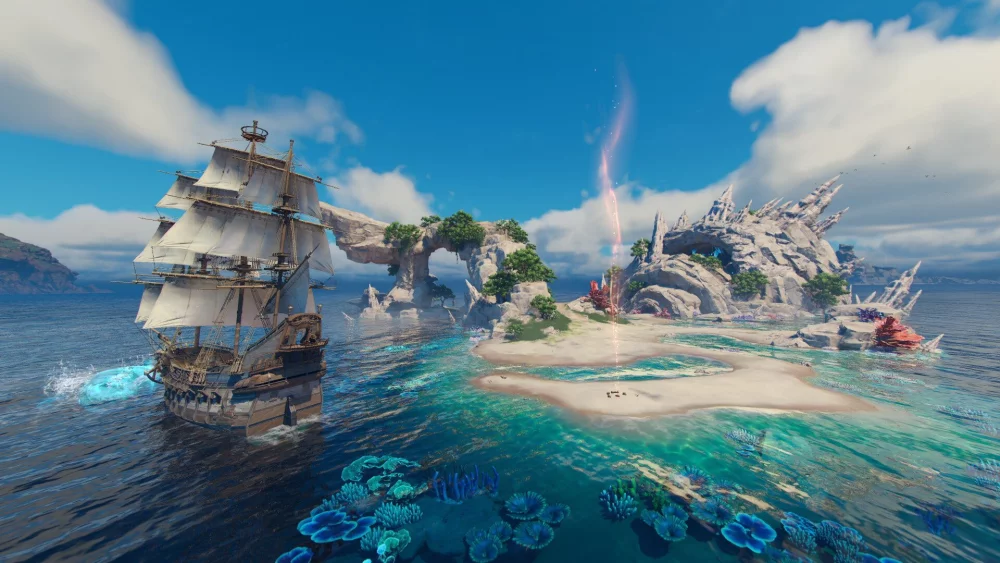
Transitioning from the introductory phase into the second day of Sea of Remnants marks a critical shift in your gameplay loop. By this point, the initial tutorial hand-holding has ceased, and you are left to manage your own stamina, ship upgrades, and character progression. The most successful players on day two are those who stop playing reactively and start playing with a clear focus on long-term sustainability. To avoid the common "resource drought" that traps many new players, you must balance aggressive mission completion with deliberate, calculated resource harvesting.
Mastering Stamina Management for Steady Progression
In Sea of Remnants, stamina is the engine that drives your growth. Mismanaging this currency on your second day is the fastest way to stall your advancement. Because stamina is limited, your goal is to maximize the "value per point" of every action you take.
- Prioritize Main Story Quest Chains: Your primary objective should always be the main story. These missions are designed to gate-keep critical systems and provide the highest experience returns. Do not deviate into side activities until you have hit a level requirement or a combat power wall in the main narrative.
- Avoid "Over-Exploration": While the open sea is tempting, wandering without a specific goal is a stamina trap. Only engage with high-value resource nodes that are directly on your path to a quest objective.
- Synchronize with Regeneration: Monitor the game’s stamina recovery intervals. If you are nearing your maximum capacity, prioritize high-stamina-cost activities (like main quests) to prevent "wasted" regeneration time. Conversely, if you are low, use your remaining stamina on repeatable resource missions that can be completed quickly before you log off.
Tactical Combat and Ultimate Ability Utilization
Sea of Remnants utilizes a sophisticated turn-based combat system where the order of operations is just as important as your combat power. By the second day, you will face elite pirates and environmental hazards that punish "auto-battling" or reckless play.
Analyzing Turn Order
Always take the extra second to look at the enemy turn order displayed on the UI. If an elite enemy is queued to attack in the next turn, you have a binary choice: destroy them before they act, or use a defensive utility skill to mitigate the incoming damage. Wasting a high-damage ultimate on an enemy that is already at 10% health—when you could have finished them with a basic attack—is a common mistake that leads to unnecessary damage taken.
Strategic Ultimate Chaining
Your ultimate abilities are your "win condition" in tough encounters. Instead of firing them off as soon as they are available, look for opportunities to chain them. If you have a character who applies a "defense down" or "vulnerability" debuff, ensure that your hardest-hitting character acts immediately after that debuff is applied. This synergy allows you to bypass high-health pools that would otherwise draw out combat and deplete your crew’s resources.
Efficient Inventory and Material Management
Inventory bloat is the silent killer of early-game progress. As you clear more nodes and complete quests, your bag will fill with low-tier equipment fragments, materials, and crafting components.
- The "Purge" Rule: If an item is not currently needed for your top-tier ship upgrade or a character’s next gear tier, evaluate if it is easily farmable. If you can acquire it easily later, do not hesitate to dismantle or sell it for gold. Gold is essential for daily skill leveling and shop refreshes, making it a more versatile asset than hoarded low-level scrap.
- Targeted Farming: Identify the specific "bottleneck" items required for your current ship upgrades. Once you know exactly what you need, use your stamina to farm those specific nodes rather than clearing generic map zones. This surgical approach ensures your progression keeps pace with the increasing difficulty of the main story.
Navigating Early-Game Exploration Milestones
Exploration in Sea of Remnants provides hidden advantages that can save you significant time and gold. When navigating the map, look for landmarks or secondary icons that appear near your quest path.
- Free Consumable Hunting: Many map sectors contain hidden chests or neutral NPCs that offer free health tonics or temporary buffs. Stopping to collect these is often more efficient than buying consumables from the town shop.
- Respect Environmental Hazards: Some ocean sectors have debuffs that can weaken your crew or damage your ship over time. If your current combat power is near the recommended minimum, treat these zones as high-risk. Taking a slightly longer route to avoid a hazardous zone is often better than entering a combat encounter with your team already weakened by environmental DOT (damage-over-time) effects.
Balancing Growth and Sustainability
The most common mistake on day two is "level chasing"—trying to push into high-level zones before your ship and crew are ready. If you find that a combat encounter takes more than five turns to complete, or if you are losing more than 20% of your total HP per battle, you have hit a sustainability wall.
The Cycle of Refinement:
- Assess: Are your ship parts upgraded to the current maximum?
- Evaluate: Are your character skills leveled up to your current account level?
- Refine: If the answer to either is "no," stop pushing the story. Return to a lower-level, repeatable node to farm experience and currency.
- Execute: Use those resources to bridge the power gap, then return to the challenging mission.
By treating Sea of Remnants as a cycle of preparation and execution rather than a straight line to the end, you ensure that you remain in control of the pacing. This strategic approach will keep your resources healthy, your ship powerful, and your progression consistent as you move into the mid-game.

Free Sea of Remnants Codes
Current active codes and how to redeem them.

Sarah Williams
Sarah specializes in RPG and collection games, explaining team building, character growth, and beginner-friendly ways to avoid expensive early mistakes.
COMMUNITY
Player Comments
109 players commented on this guide.
This saved me time in the early game.
I tried this today and it worked better than my old setup.
This helped me understand early game much better.
Can you add more details about early game in a future update?