
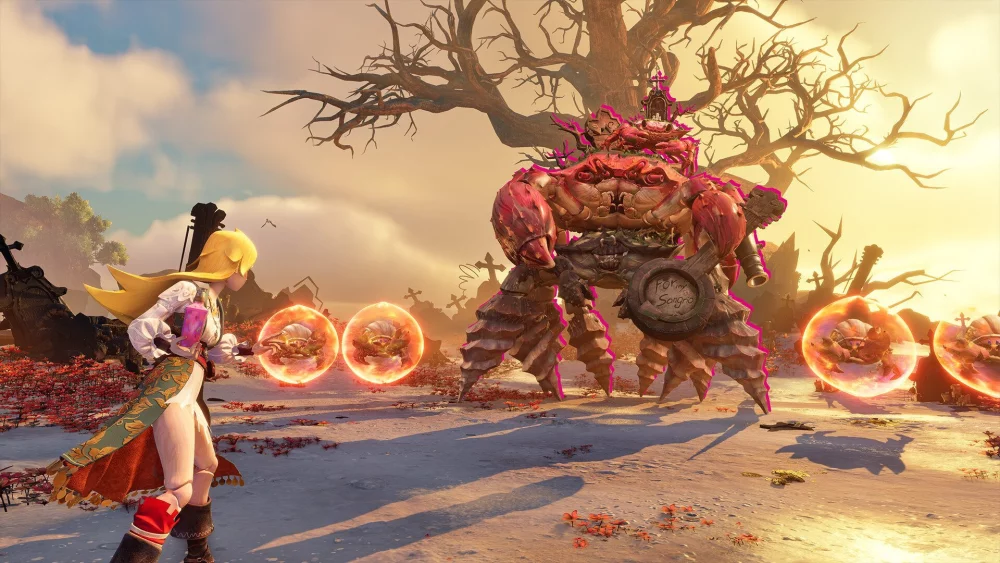
Sea of Remnants is a complex tactical RPG that rewards players who treat their resources and team synergy with the same precision as their combat maneuvers. Whether you are a newcomer navigating your first voyage or a veteran preparing for a second playthrough, success in this title depends on your ability to balance long-term progression with immediate tactical needs.
This guide provides the authoritative framework for optimizing your experience, from the high-stakes world of gacha banners to the granular mechanics of support unit optimization.
The Foundation: Mastering Gacha Banner Optimization
In Sea of Remnants, currency is finite. The difference between a high-performing account and one struggling to clear content often comes down to how you approach the gacha system.
The "Pity" and Rate-Up Strategy
Never pull on a banner unless you have enough currency to hit the hard pity threshold. Sea of Remnants uses a standard soft-pity system, but the rates for rate-up characters are statistically volatile.
- Targeting Synergy over Rarity: Do not pull for a character simply because they are "S-Tier" on a community tier list. Evaluate if their kit provides a missing utility (like shield-breaking or crowd control) that your current roster lacks.
- The Second Playthrough Reserve: If you are planning a second playthrough or a "fresh start" account, prioritize saving your initial beginner-tier currency. Many players waste early-game resources on generic standard banners; instead, hoard your premium currency for limited-time banners that feature characters essential for high-level endgame raids.
Tactical Team Composition and Combat Efficiency
Combat in Sea of Remnants is defined by the interaction between your active units and the battlefield environment. A team that lacks a cohesive "win condition" will falter in the later chapters.
Building Around Synergy
Every team should ideally feature a "Trinity" structure:
- The Anchor (Tank/Frontline): Units capable of mitigating damage while positioning enemies for AoE (Area of Effect) attacks.
- The Catalyst (Support): Characters like Gale, who manipulate the turn order or provide essential buffs that amplify your damage output.
- The Finisher (DPS): Units specialized in burst damage to clear high-priority threats before they can overwhelm your frontline.
Why Support Characters Like Gale Change the Meta
Support characters are the unsung heroes of Sea of Remnants. Gale, specifically, is a staple because of her ability to manage the "Action Gauge." In a game where turn order can be manipulated, a character who can push your Finisher ahead in the queue is worth more than a raw damage dealer. When leveling Gale, prioritize Skill Haste and Energy Regeneration gear over raw attack stats. Her value lies in uptime, not personal damage.
Managing Resources for Progression
Mid-game progression is where most players hit a "wall." To overcome this, you must treat your account’s stamina and materials as a capital investment.
- Prioritize Level Caps: Spread your resources evenly across your core four-person team rather than hyper-leveling a single unit. Sea of Remnants scales enemy difficulty based on your highest-level character in many instances; keeping a balanced squad prevents difficulty spikes.
- The Gear Grind: Do not farm for "Best-in-Slot" legendary gear until you reach the endgame content thresholds. Utilize mid-tier gear with high-rolling substats—specifically those that boost Crit Rate or Speed—to clear mid-game content efficiently.
Advanced Strategies: Troubleshooting and Decisions
When you encounter a difficulty spike, follow this systematic approach to troubleshoot your setup before resorting to spending more resources:
- Re-evaluate Positioning: If your Anchor is falling too quickly, check if they are being focused by elemental disadvantage. Sea of Remnants features a deep elemental weakness system; shifting your positioning to avoid "Aggro-Pulling" from disadvantageous enemy types is often more effective than leveling up.
- The "Slow-Play" Technique: If you are struggling with a boss encounter, stop using auto-battle. The AI in Sea of Remnants prioritizes high-damage output over cooldown management. In boss fights, save your support buffs (like Gale’s turn-manipulation skills) for the specific phase where the boss is vulnerable, rather than burning them immediately.
- Currency Conversion: Avoid converting premium currency to stamina unless you are within a few hours of an event ending. The value proposition of gacha pulls far outweighs the incremental progress gained from extra stamina in the long run.
Avoiding Common Pitfalls
- The "New Toy" Trap: Avoid dumping all your upgrade materials into a newly pulled character immediately. Test them in low-stakes simulation battles to see if they actually fit your team’s playstyle.
- Ignoring Passive Trees: Many players focus exclusively on active skill upgrades. However, the passive tree in Sea of Remnants often holds the key to character sustain. Check if your support units have passive healing or damage reduction nodes, as these are often the difference between a three-star clear and a defeat.
- Neglecting Elemental Synergies: The game’s elemental system is not just a damage multiplier; it often dictates the "Break" status of bosses. Ensure your team has at least two different elemental types to handle varying enemy resistances.
Conclusion: Playing for the Long Haul
Sea of Remnants is a marathon, not a sprint. By focusing on efficient currency management, understanding the mechanical importance of support characters like Gale, and maintaining a balanced approach to team leveling, you can clear the most challenging content without needing to rely on excessive spending.
Remember: A player who understands the underlying mechanics of turn-order and elemental synergy will always outperform a player who simply relies on high-rarity units. Keep your focus on building a versatile roster, and you will find that the sea is much easier to navigate than it first appears.

Free Sea of Remnants Codes
Current active codes and how to redeem them.

Emily Johnson
Emily writes practical mobile strategy guides with a focus on resource planning, base progression, and the early decisions that shape a long-term account.
COMMUNITY
Player Comments
60 players commented on this guide.
This saved me time in the early game.
I tried this today and it worked better than my old setup.
This helped me understand resources much better.
The tips are practical and easy to follow.