
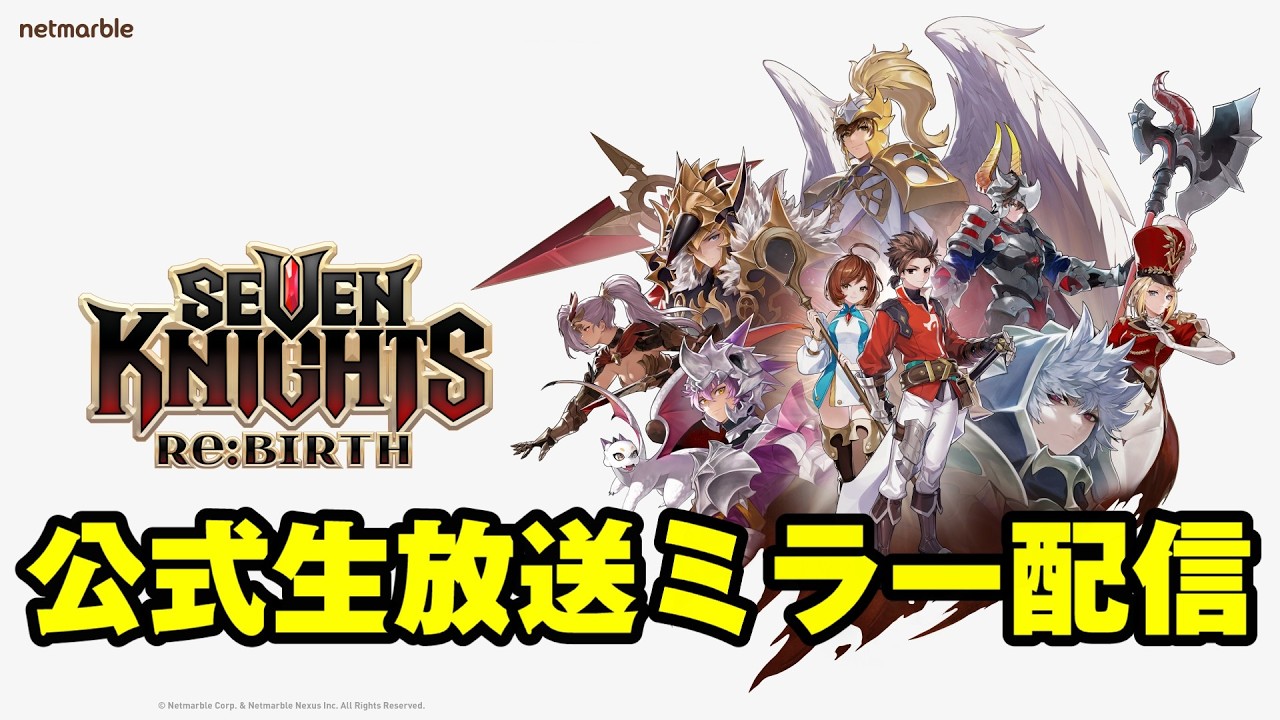
In the dynamic environment of Seven Knights Re:BIRTH, leadership transitions within the development team often signal a significant pivot in game philosophy, balance priorities, and resource management. For veteran players and newcomers alike, understanding how to interpret these shifts is the difference between a stagnating roster and one that dominates the meta. When a new producer takes the helm, they typically bring a fresh vision that influences everything from hero acquisition rates to the difficulty of endgame raids.
To stay competitive, you must move beyond passive play and actively align your account progression with the developer's updated roadmap. This guide outlines how to decode official broadcasts, manage your resources during transition periods, and leverage community intelligence to ensure your Seven Knights Re:BIRTH strategy remains resilient against shifting administrative goals.
Deciphering Official Broadcasts for Strategic Value
Official live broadcasts are the most critical source of truth in Seven Knights Re:BIRTH. When a producer transition occurs, these streams function as a "state of the union" for the game's future. Rather than simply watching for excitement, treat these broadcasts as data-mining opportunities.
What to Look For:
- The "Legacy" Commitment: Listen for mentions of how the team plans to handle older units. If a producer expresses a desire to "rejuvenate" legacy heroes, it often implies an upcoming wave of reworks or Exclusive Equipment (EE) updates. This is your cue to hold off on dismantling or foddering older high-tier units that have fallen out of the meta.
- Systemic Quality-of-Life (QoL) Shifts: Pay close attention to changes in resource loops. If the team announces a streamlining of daily dungeon grinds or an increase in base currency drops, you can pivot your daily time investment toward more meaningful endgame content.
- Meta-Defining Keywords: Listen for descriptors like "defensive stall," "burst potential," or "utility-heavy." These terms reveal the developer's current view on what makes a battle "engaging." If they emphasize "burst," prioritize building heroes with high-multiplier skills; if they mention "stall," focus on sustain, cleansing, and damage mitigation.
Managing Resource Expectations During Leadership Shifts
Leadership transitions frequently introduce new philosophies regarding scarcity. A developer team focused on player retention may increase the generosity of free pulls, while a team focused on long-term competitive health might tighten the economy to make each hero acquisition feel more impactful.
Strategic Resource Allocation:
- The "Safety Stock" Strategy: Whenever a new producer is announced, cease all non-essential spending. Hold your Rubies and summoning tickets for at least two major update cycles. This "safety stock" ensures that if the new meta introduces a power-crept unit or a must-have support hero, you are prepared to pull immediately without relying on microtransactions.
- Audit Your Currency Spend: Compare the current shop bundles and event rewards with historical patterns. If you notice a sudden influx of specific enhancement materials, it may indicate a pivot toward making high-level progression more accessible. Use this time to catch up on gear or hero levels that were previously too costly to reach.
- Avoid "Hype" Traps: New producers often launch flashy, limited-time events to build goodwill. While these can be fun, ask yourself if the rewards provide permanent account value or merely temporary boosts. Focus your resources on assets that provide long-term utility across multiple game modes (e.g., Arena, Guild War, and Raids).
Leveraging Community Intelligence and Discord Channels
In Seven Knights Re:BIRTH, the community often acts as a secondary analysis layer. Because developers frequently solicit feedback through Discord and social media during transition periods, the community becomes the primary repository for "insider" knowledge.
Why Community Consensus Matters:
- Early Theorycrafting: Experienced players often dissect stream footage frame-by-frame to identify changes to hero skill animations or damage scaling before the patch even hits the live server. Aligning with these early-access discussions allows you to prepare your team builds in advance.
- Identifying Developer Pain Points: If the community is collectively complaining about a specific boss mechanic or an overly punitive Arena meta, developers are statistically more likely to prioritize those areas for fixing. By monitoring these conversations, you can anticipate which game modes will receive "buffs" or "nerfs," allowing you to pivot your focus before the rest of the player base does.
- Discord Etiquette and Utility: Joining official and reputable community Discords is essential. Use these channels to verify information. If a player claims a specific hero is getting a rework, look for the source. If they provide a link to the official broadcast or a verified developer post, that hero becomes a high-priority investment target.
Aligning Your Progression with New Development Goals
Every major leadership change effectively resets the "meta-clock." You must evaluate whether your current progression path matches the new team's vision. If the new team prioritizes early-game accessibility, your account growth may accelerate, allowing you to bypass previous bottlenecks. If they pivot toward deep-endgame competitive play, your strategy should shift toward refining your top-tier Arena teams and specialized raid compositions.
A Three-Step Progression Audit:
- Roster Review: Take inventory of your current top-tier units. Are they still categorized as "core" in the latest developer updates? If a hero you invested heavily in is now mentioned as "subject to change," begin diversifying your roster immediately.
- Goal Alignment: Are your short-term goals (like clearing a specific floor of a tower or optimizing a specific raid team) supported by the current event calendar? If the developers are incentivizing "Guild Raid" participation, pivot your daily stamina and focus toward those modes to maximize your event rewards.
- Strategic Pivot: If you find that your current roster is heavily invested in a playstyle that the new developer seems to be phasing out, do not panic-sell. Instead, focus on "horizontal expansion"—building up a wider variety of units so that you are prepared for whatever direction the new meta takes.
Common Mistakes to Avoid
The biggest mistake players make during a producer transition is inertia. Continuing to play exactly as you did under the previous administration—ignoring new event structures, hoarding resources blindly, or refusing to adapt to new meta-shifts—will lead to your account falling behind.
- Avoid Emotional Investment: Do not stick with a "favorite" hero if their viability has been systematically dismantled by new balance patches. In Seven Knights Re:BIRTH, efficiency is tied to utility. If a unit no longer performs, bench them in favor of the current meta-standard.
- Don't Ignore the "Small" Patches: Sometimes, the most significant meta-shifts don't come from a big producer announcement, but from a series of minor "Quality of Life" updates. Keep a close eye on the patch notes section of the game's official site; these small tweaks often contain the "hidden" buffs that make specific underutilized heroes suddenly top-tier.
By remaining reactive and informed, you ensure your Seven Knights Re:BIRTH journey is not defined by the limitations of the past, but by your ability to capitalize on the opportunities presented by the game's evolving future. Stay engaged, participate in the community, and keep your resource management flexible to thrive in this new era of the game.

Free Seven Knights Re:BIRTH Codes
Current active codes and how to redeem them.

Michael Smith
Michael covers live-service games, events, reward systems, and efficient daily routines, turning frequent updates into clear actions for players.
COMMUNITY
Player Comments
35 players commented on this guide.
I wish I had read this before upgrading the wrong thing.
This saved me time in the early game.
The explanation is clear, especially for beginners.
Nice guide. I am checking the other Seven Knights Re:BIRTH articles next.