
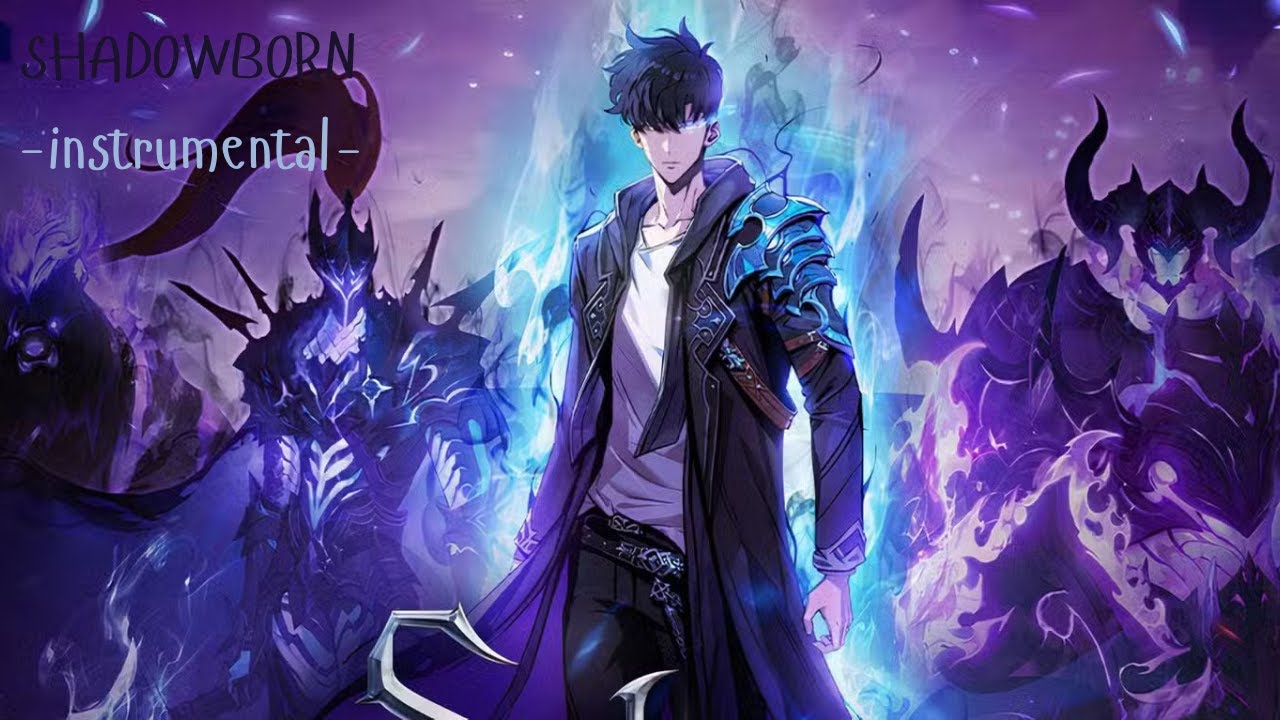
In the fast-paced world of Shadowborn, combat is defined by precision, timing, and the ability to read the battlefield under pressure. While many players focus strictly on visual cues, the most elite Shadowborn veterans utilize a "rhythmic approach"—synchronizing their ability rotations with the game’s dynamic soundtrack to anticipate boss phases and maximize burst damage. This guide details how to leverage auditory signals to maintain a state of flow, optimize your cooldown management, and shave seconds off your mission completion times.
Decoding the Musical Narrative for Combat Cues
The Shadowborn soundtrack is not merely atmospheric; it is a structural map of the encounter. The developers have composed the score to mirror the intensity of enemy aggression. By training your ears to recognize the transition from atmospheric strings to aggressive, percussion-heavy crescendos, you can effectively predict enemy behavior before the visual telegraphs even appear.
To master this, adjust your in-game settings to prioritize the "Music" and "SFX" channels while slightly lowering the "Ambient" volume. This creates a clear auditory feedback loop. When the percussion shifts into a driving, high-tempo beat, the boss AI is typically transitioning into an "Enrage" or "Aggression" phase. Recognizing this shift 1–2 seconds earlier than a visual-only player allows you to move into a defensive position or activate damage-mitigation abilities, preventing unnecessary deaths.
Timing Burst Windows with Orchestral Crescendos
Every boss encounter in Shadowborn has a "vulnerability window"—a brief moment where the enemy’s defenses are down or their movement is locked. These windows often correlate precisely with the climax of a musical phrase.
How to identify and utilize these windows:
- The Build-up: During the rising intensity of the score, focus on stacking debuffs and applying "DoTs" (Damage over Time) to the boss.
- The Peak (The Burst Window): When the music hits its absolute peak—characterized by a sudden increase in brass or heavy, rhythmic drums—the boss is usually locked into a major attack animation. This is your primary window to dump your high-cooldown Ultimate abilities.
- The Resolution: When the music drops into a sudden silence or transitions to a single, delicate instrument, the boss is often entering an invulnerability phase or a movement-heavy transition. Stop your DPS rotation immediately to conserve resources and focus entirely on dodging mechanics.
By withholding your biggest damage-dealers for the "Peak" musical moments, you ensure your cooldowns are never wasted on shielded or invulnerable targets, which is the most common reason for failing to meet mission time objectives.
Maintaining Focus Through Rhythmic Skill Rotations
Treating your skill bar like an instrument is the secret to high-level play in Shadowborn. When your brain associates specific key presses with the tempo of the music, you move from "conscious input" to "muscle memory." This reduces cognitive load, allowing you to focus your attention on the screen’s periphery, where AoE (Area of Effect) markers appear.
A Three-Phase Rhythmic Strategy:
- Preparation (Low Tempo): Use basic attacks and mobility skills to position yourself during the quieter, rhythmic segments of the music.
- Execution (Rising Tempo): As the music intensifies, begin your skill rotation sequence. Start with your lowest cooldown skills to build "flow."
- Peak Performance (High Tempo): Release your high-damage combos. If you miss a beat, use the percussion hits as a metronome to reset your timing for the next cycle.
Limitations and Adaptive Audio Strategies
While the soundtrack is an incredible tool for performance, it must be treated as a secondary layer of information. In Shadowborn, visual telegraphs—such as red ground indicators for boss AoE attacks—are the "definitive source of truth."
Never prioritize the music over your visual awareness. If the music suggests a burst window but a red-zone indicator appears beneath your feet, your priority must always be to dodge. The music is a guide for optimizing your damage, not a replacement for surviving the encounter.
Furthermore, be aware of "auditory fatigue." After extended play sessions, the repetition of the score can cause your focus to drift. If you find your timing lagging or your reactions becoming sluggish, take a five-minute break. Resetting your sensory threshold is vital for maintaining the high-speed performance required for Shadowborn’s end-game missions.
Advanced Tips for Class-Specific Timing
Different classes in Shadowborn interact with the soundtrack in unique ways. Understanding your class’s "tempo" is the final step to mastery:
- Assassin/Burst Classes: These classes rely on short, explosive windows. Sync your "Shadow Step" and "Execute" abilities precisely with the loudest percussion hits to maximize your burst damage.
- Tank/Bruiser Classes: Use the slower, bass-heavy segments of the soundtrack to time your defensive buffs. When the music is deep and booming, your character should be in a defensive posture, absorbing hits.
- Support/Utility Classes: Use the music's transitions to time your team-wide cooldowns. Casting a shield or healing buff exactly as the musical theme shifts can save your team from incoming "peak intensity" boss mechanics.
By integrating these auditory strategies into your Shadowborn gameplay, you move beyond mere button-mashing. You begin to play the game as a conductor of combat, turning every encounter into a rhythmic performance that is as efficient as it is satisfying.

Free Shadowborn Codes
Current active codes and how to redeem them.

Emily Johnson
Emily writes practical mobile strategy guides with a focus on resource planning, base progression, and the early decisions that shape a long-term account.
COMMUNITY
Player Comments
35 players commented on this guide.
I wish I had read this before upgrading the wrong thing.
Nice guide. I am checking the other Shadowborn articles next.
I tried this today and it worked better than my old setup.
The tips are practical and easy to follow.