
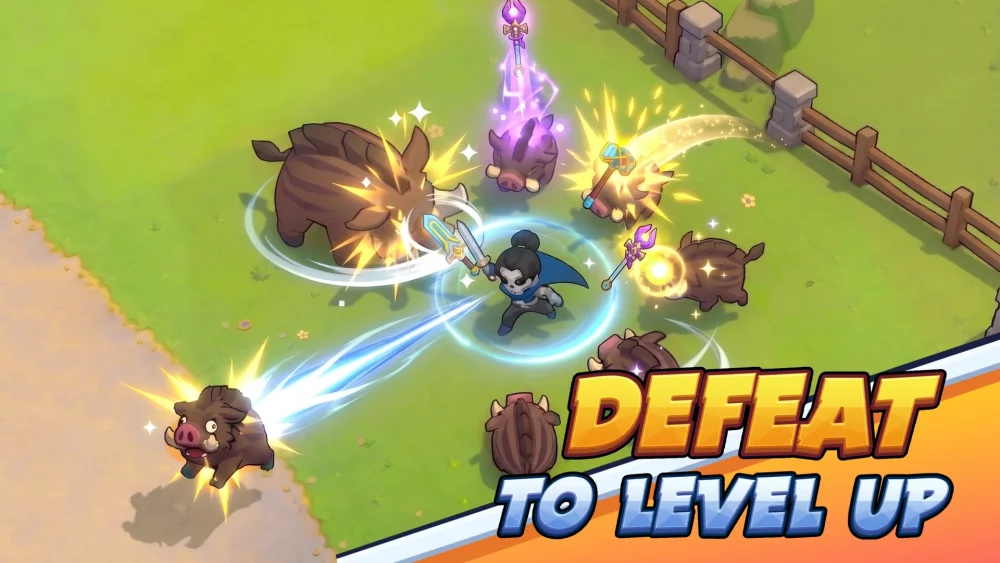
The Dark Mirror mode in Skull Hero represents the pinnacle of the game’s challenge. It introduces compounding difficulty modifiers that aggressively scale enemy health, damage, and attack speed. To succeed, players must move beyond basic combat tactics and adopt a disciplined approach to economic management and build synergy. Because the Dark Mirror punishes inefficient play and wasted resources, your ability to prioritize scaling over comfort is the single most important factor in reaching the final boss.
Understanding Dark Mirror Difficulty Scaling
The Dark Mirror doesn't just make enemies "stronger"—it fundamentally changes the rhythm of your run. As you increase the difficulty level of the Mirror, you will encounter two primary types of scaling: Stat Inflation and Modifier Complexity.
- Stat Inflation: Bosses and standard monsters receive massive buffs to their HP pools. This creates a "DPS wall" where your early-game damage output will eventually become insufficient. You must prioritize items that offer multiplicative damage increases rather than flat bonuses.
- Modifier Complexity: Each run adds layers of environmental hazards or enemy buffs. For example, some levels may grant enemies increased poise, rendering stun-heavy playstyles ineffective. You must be prepared to pivot your build based on the active modifiers at the start of your run.
Prioritizing Dark Ability Selection
Dark Abilities are the foundation of your character’s power curve in this mode. Unlike standard items, these abilities offer passive scaling that remains relevant from the first biome to the last.
The Strategy for Selection
- Prioritize Percentage Scaling: Always favor abilities that provide percentage-based increases to your primary damage type (e.g., Physical or Magic).
- Avoid Conditional Utility: Early in the run, avoid abilities that require specific "on-hit" conditions or enemy drops. Focus on abilities that provide consistent, unconditional buffs to your hero’s stats.
- Cooldown Reduction: If your hero relies on skills for damage or invincibility frames, prioritize cooldown reduction abilities early. In the late stages, being able to dash or use a defensive skill just one second faster can be the difference between a successful dodge and a run-ending hit.
Mastering Resource Economy and Shop Management
Resource management is where most Skull Hero players fail in the Dark Mirror. Gold is finite, and the cost of rerolling shop inventories rises quickly. If you spend too much gold early, you will be unable to purchase the high-tier items necessary for late-game scaling.
The "Three-Reroll" Rule
Establish a strict budget for each shop encounter. A common expert strategy is the "Three-Reroll" rule:
- Biome 1-2: Do not reroll more than once per shop. Your goal here is to accumulate wealth, not to force a "perfect" build.
- Biome 3-4: You may reroll up to three times if your build is missing a core synergy item.
- Boss Shops: Save your gold for the final shops before major boss encounters. These shops often hold the legendary items that bridge the gap between "good" and "overpowered."
Pro Tip: Never buy common-tier items unless they provide a crucial, build-defining inscription. Save your gold for Rare, Unique, and Legendary items that offer higher stat ceilings.
Boss Encounter Tactics in the Dark Mirror
Boss fights in the Dark Mirror are endurance tests. Because of their increased health, you will be forced to engage with their mechanics for much longer than in standard play.
Mechanical Mastery Over Raw DPS
Do not attempt to "face-tank" bosses. Even with defensive items, the damage scaling in higher Mirror levels will deplete your HP rapidly.
- Telegraph Recognition: Study the boss's animation cues. Every boss has a "wind-up" animation for their deadliest attacks. Practice identifying these cues in the early phases so you can react instinctively during the chaotic final phases.
- The Final Phase Strategy: Most bosses become hyper-aggressive at low health. If you are struggling, save your high-impact abilities and ultimate cooldowns specifically for this phase. Ending the fight quickly once the boss enters their "enraged" state is safer than trying to play defensively for an extended period.
Adapting Your Build to Modifiers
The Dark Mirror modifiers dictate your build’s viability. Before you commit to a specific skull or item set, check the active modifiers for the current run.
- Handling High-Stagger Resistance: If the current modifier grants enemies high poise or resistance to stagger, avoid skulls that rely on crowd control. Swap to high-mobility, "hit-and-run" skulls that allow you to weave in damage while staying outside the enemy’s retaliatory range.
- Damage Type Synergy: If the game introduces modifiers that grant enemies resistance to specific elements, ensure your secondary skull or items provide an alternative damage source. Diversifying your damage output is the most effective way to prevent getting "walled" by an enemy with high resistances.
Common Mistakes to Avoid
- Over-investing in Weak Skulls: Don't get attached to a skull simply because you upgraded it in the first biome. If it lacks the scaling potential for the end-game, replace it as soon as a better option appears.
- Neglecting Inscriptions: Many players focus only on individual item stats. In the Dark Mirror, Inscriptions are vital. A build with high-level Inscriptions will almost always outperform a build with random high-stat items.
- Ignoring Defensive Layers: It is easy to build for pure damage, but a single mistake in the Dark Mirror can cost you 50% of your health. Always look for at least one defensive item or ability that provides shields, health regeneration, or damage reduction.
By consistently applying these principles—selective spending, scaling-focused ability choices, and mechanical discipline—you will find that the Dark Mirror in Skull Hero is not an impossible hurdle, but a manageable challenge that rewards patience and precise decision-making.

Free Skull Hero Codes
Current active codes and how to redeem them.

Sarah Williams
Sarah specializes in RPG and collection games, explaining team building, character growth, and beginner-friendly ways to avoid expensive early mistakes.
COMMUNITY
Player Comments
47 players commented on this guide.
Good guide for Skull Hero players. The resources part was useful.
This helped me understand resources much better.
This guide answered the exact question I had.
I wish I had read this before upgrading the wrong thing.