
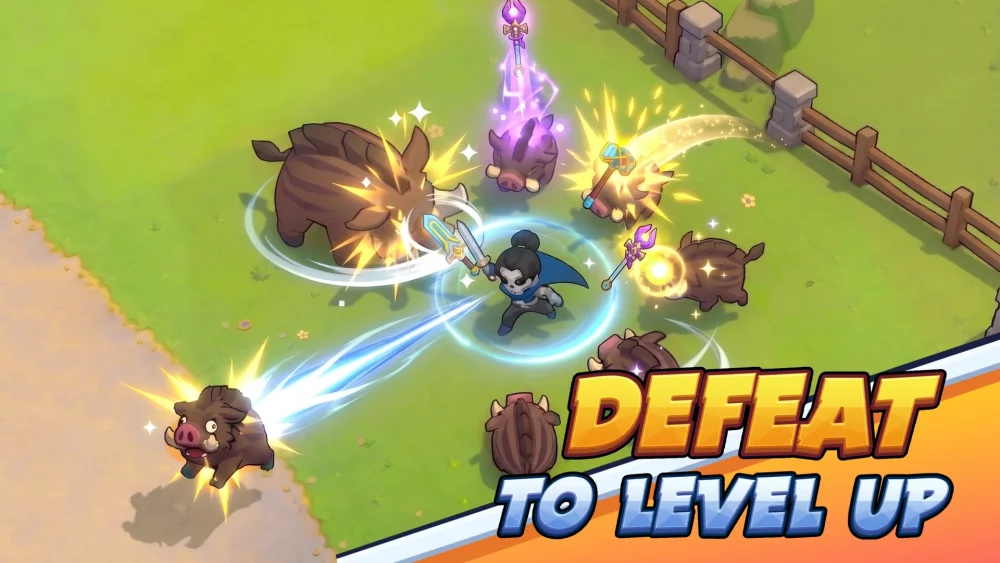
Mastering the high-intensity combat of Skull Hero requires a disciplined approach to movement, tactical aggression, and environmental awareness. Whether you are navigating dense monster waves or facing off against lethal bosses, success is rarely about raw reaction speed alone; it is about establishing a repeatable, rhythmic combat loop. By focusing on dash-based positioning and disciplined skill rotation, you can mitigate the chaotic nature of stage progression and maximize your survival rate without relying on gear luck.
Establishing Combat Rhythm and Dash Discipline
The most common mistake for new players in Skull Hero is viewing the dash as a purely defensive escape tool. To survive high-density encounters, you must integrate the dash into your offensive flow.
The "Dash-Strike-Dash" Loop
Instead of dashing away from danger, use your dash to reposition behind enemies or through their hitboxes. This maneuver does two things: it negates the enemy's current attack tracking and places you in a position to deal damage immediately.
- Maintain Momentum: By dashing through an enemy, you eliminate the downtime spent walking, allowing you to chain attacks more effectively.
- Predictability over Panic: Panic-buttoning skills often leads to wasted cooldowns. Instead, synchronize your movement with the enemy’s telegraphed "wind-up" animations. If you establish a "dash-strike-dash" rhythm, you create a natural flow that keeps you mobile while maintaining a constant DPS output.
Managing Boss Phase Transitions
Boss fights in Skull Hero are defined by their shifting phases. As bosses drop in health, they unlock new, more aggressive attack patterns that often feature screen-wide area-of-effect (AoE) hazards.
The Observation Window
When a boss reaches a health threshold that triggers a phase change, force yourself to stop attacking for two seconds. This "observation window" allows you to identify the new attack patterns immediately. If you try to greed for extra hits during the transition, you are significantly more likely to walk into a new mechanic that you haven't yet learned.
Burst-Damage Preservation
Hold at least one high-cooldown, high-damage skill specifically for the start of a new phase. By unleashing your burst damage the moment a phase begins, you can often stun-lock the boss or force them into a retreat, effectively skipping the most dangerous segments of their new attack cycle. Proactive damage application is the best defensive strategy in boss encounters.
Optimizing Skill Usage Amidst Crowd Density
Crowd control is the primary bottleneck in the mid-to-late stages of Skull Hero. When the screen becomes saturated with monsters, your priority must shift from single-target DPS to crowd management.
Tactical Priorities for Dense Waves
- Target the Anchor: Always identify and prioritize ranged units first. These enemies provide "covering fire," forcing you to dodge into melee enemies. Eliminating them clears your escape routes.
- Layered Cooldowns: Never expend all your crowd-control skills simultaneously. Rotate your abilities so that you always have at least one defensive or displacement skill ready to break a potential stun lock.
- Forcing the AI Reset: If you find yourself pinned against a wall or corner, do not try to trade blows. Use a movement-based skill to cross the center of the arena. This forces the enemy AI to recalculate their pathfinding, buying you precious seconds to reposition.
Tactical Limitations and Risk Management
Aggressive play is rewarded in Skull Hero, but it comes with the inherent risk of over-extension. Understanding the limitations of your character is vital for long-term survival.
Animation Recovery and Tunnel Vision
Every skill has an animation recovery time—the window where you are locked into an action and unable to dash. If you commit to a long-animation attack in a room with high mob density, you are statistically more likely to take damage.
- Peripheral Awareness: A common cause of death is "tunnel vision," where players focus exclusively on their current target and ignore incoming projectiles from the edge of the screen. Keep your camera centered on your character, not the enemy. Use your peripheral vision to track off-screen threats.
- Platforming Constraints: Skull Hero often incorporates verticality and traps into combat arenas. Before engaging a group, take a split second to survey the floor for hazards. Fighting in a "safe zone"—a location free of traps—is always better than fighting in a high-damage area, even if it means sacrificing a few seconds of DPS.
Strategic Decision-Making: The Path to Mastery
To truly excel in Skull Hero, you must constantly evaluate your performance against the demands of the current stage. Use the following checklist to evaluate your runs:
| Situation | Strategic Priority |
|---|---|
| High Mob Density | Prioritize AoE skills and prioritize ranged "anchor" enemies. |
| Boss Phase Shift | Stop attacking, observe the new pattern, then use burst damage. |
| Pinned by Enemies | Dash through the center of the arena to force an AI pathing reset. |
| Low Health | Transition to a defensive rhythm; focus on dodging until cooldowns return. |
By mastering these mechanics, you move from reacting to the game to controlling the pace of every encounter. Skull Hero is a game of rhythm; once you find your cadence and prioritize smart movement over blind aggression, you will find that even the most chaotic stages become manageable. Remember: every dash is an opportunity to reposition, every cooldown is a tool for control, and every boss phase is a puzzle waiting to be solved by disciplined observation.

Free Skull Hero Codes
Current active codes and how to redeem them.

Sarah Williams
Sarah specializes in RPG and collection games, explaining team building, character growth, and beginner-friendly ways to avoid expensive early mistakes.
COMMUNITY
Player Comments
117 players commented on this guide.
The tips are practical and easy to follow.
Can you add more details about heroes in a future update?
This saved me time in the early game.
This helped me understand heroes much better.