
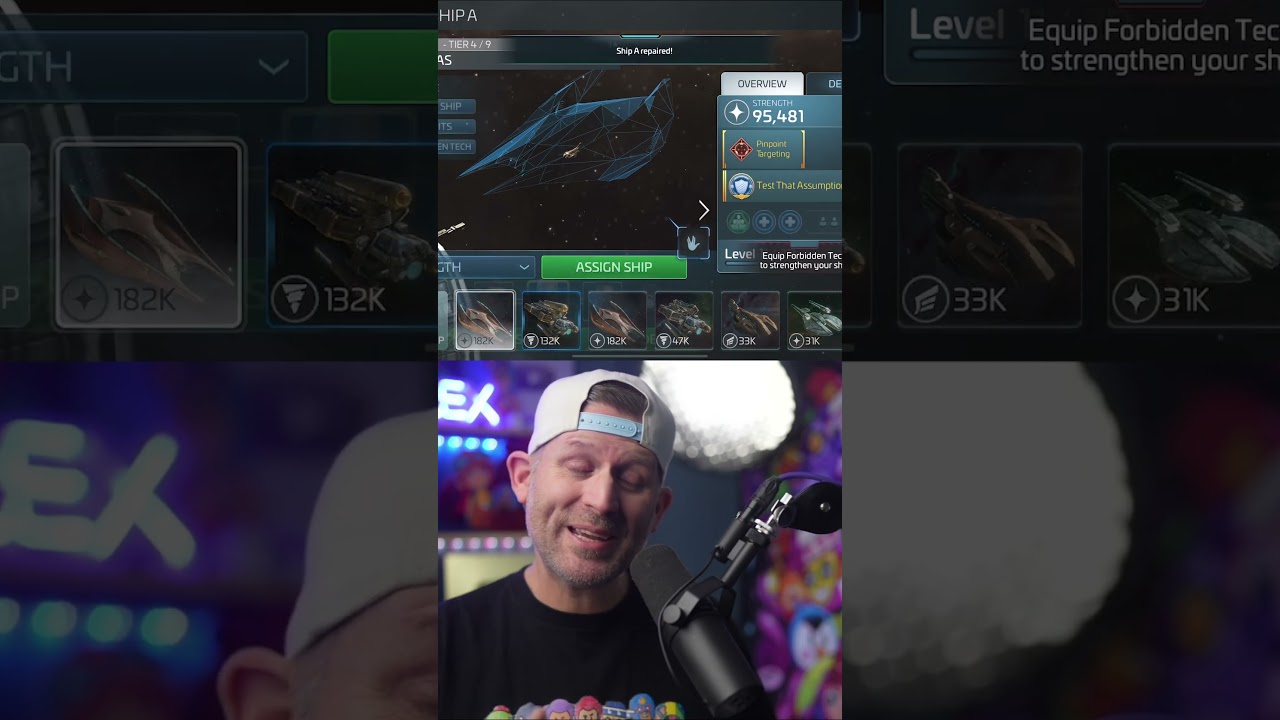
When isolated PvP disputes escalate into an alliance war in Star Trek Fleet Command, your immediate priority shifts from resource expansion to station preservation and fleet security. Hostilities between alliances target exposed stations and vulnerable mining ships to deplete enemy stockpiles. To survive sustained conflict without derailing your progression, activate continuous peace shields, dock your survey vessels, and limit combat to organized operations that conserve Tritanium and repair speedups.
Peace Shield Protocol and Station Protection
An unshielded station is the primary target for hostile raiding parties. When standard server Rules of Engagement (ROE) break down, enemy strike teams scan populated systems to find undefended bases. A breach can dismantle your station defense platforms and drain hundreds of millions of Parsteel, Tritanium, and Dilithium within minutes.
To secure your station during active hostilities:
- Maintain continuous shield uptime: Use 4-hour, 8-hour, 12-hour, or 24-hour peace shields. Set external timers and activate a replacement shield before the current countdown expires.
- Do not attack from a shielded station: Initiating an attack drops your peace shield instantly, leaving your station vulnerable to immediate retaliation.
- Relocate to safer space: If your home system is targeted heavily, use station relocators to move to deep alliance-controlled space or low-traffic fringe systems.
Fleet Deployment and Mining Operations
Survey ships such as the Envoy, the Horizon, and faction-specific miners lack the combat capability and hull durability to survive hostile warships. Leaving miners on open nodes gives opponents effortless targets for points and leaderboard progression while burdening your alliance with avoidable repair costs.
Adjust your fleet usage to match wartime demands:
| Ship Classification | Wartime Role | Tactical Recommendation |
|---|---|---|
| Survey Vessels | Restricted harvesting | Dock in station drydocks, or restrict harvesting strictly to shielded alliance territory. |
| Interceptors | Fast-response interception | Hunt isolated enemy explorers and strike exposed hostile mining ships. |
| Explorers | Escort and frontline screening | Counter aggressive interceptors and escort friendly combat wings. |
| Battleships | Heavy assault and cracking | Deploy against hardened stations and explorer-heavy fleets. |
If you must harvest resources to complete daily milestones, mine inside defended territory or deep-space systems where long enemy travel times reduce the risk of surprise ambushes. Otherwise, keep survey hulls safely docked.
Managing Repair Costs and Attrition
Alliance wars are decided by economic endurance. Ship destruction consumes steep amounts of Tritanium and repair speedups, which can quickly exhaust your inventory and leave your docks locked behind multi-day repair queues.
To limit resource drain:
- Follow the combat triangle: Only initiate fights with a class advantage to minimize hull damage. Explorers defeat Interceptors, Interceptors defeat Battleships, and Battleships defeat Explorers.
- Avoid obvious traps: Do not chase lone, underpowered enemy ships into isolated systems where high-tier fleets wait in warp transit.
- Preserve drydock capacity: Keep at least one drydock open for routine daily operations rather than locking all berths with heavily damaged combat ships.
- Monitor your Tritanium threshold: Track your resource reserves closely. If stockpiles drop near critical levels, withdraw from optional engagements.
Coordinated Combat and De-escalation
Unsanctioned solo attacks often waste resources against superior defenses. Effective wartime operations require alliance members to coordinate strikes through alliance chat or external communication channels. Synchronize fleet warp times to overwhelm targeted defense positions, crack hostile bases when enemy shields lapse, and secure operational objectives with minimal losses.
Because prolonged attrition harms long-term development for all involved factions, alliances generally aim for diplomatic resolution once tactical objectives are met. Alliance leadership should maintain communication with opposing commanders to negotiate terms, resolve the initial dispute, and reinstate server ROE. This stops resource drain and allows your fleet to refocus on PvE progression and research.

Free Star Trek Fleet Command Codes
Current active codes and how to redeem them.

James Brown
James focuses on Android gaming on PC, emulator setup, controls, performance tuning, and practical troubleshooting for longer play sessions.
COMMUNITY
Player Comments
71 players commented on this guide.
Good guide for Star Trek Fleet Command players. The resources part was useful.
The explanation is clear, especially for beginners.
I tried this today and it worked better than my old setup.
I wish I had read this before upgrading the wrong thing.