
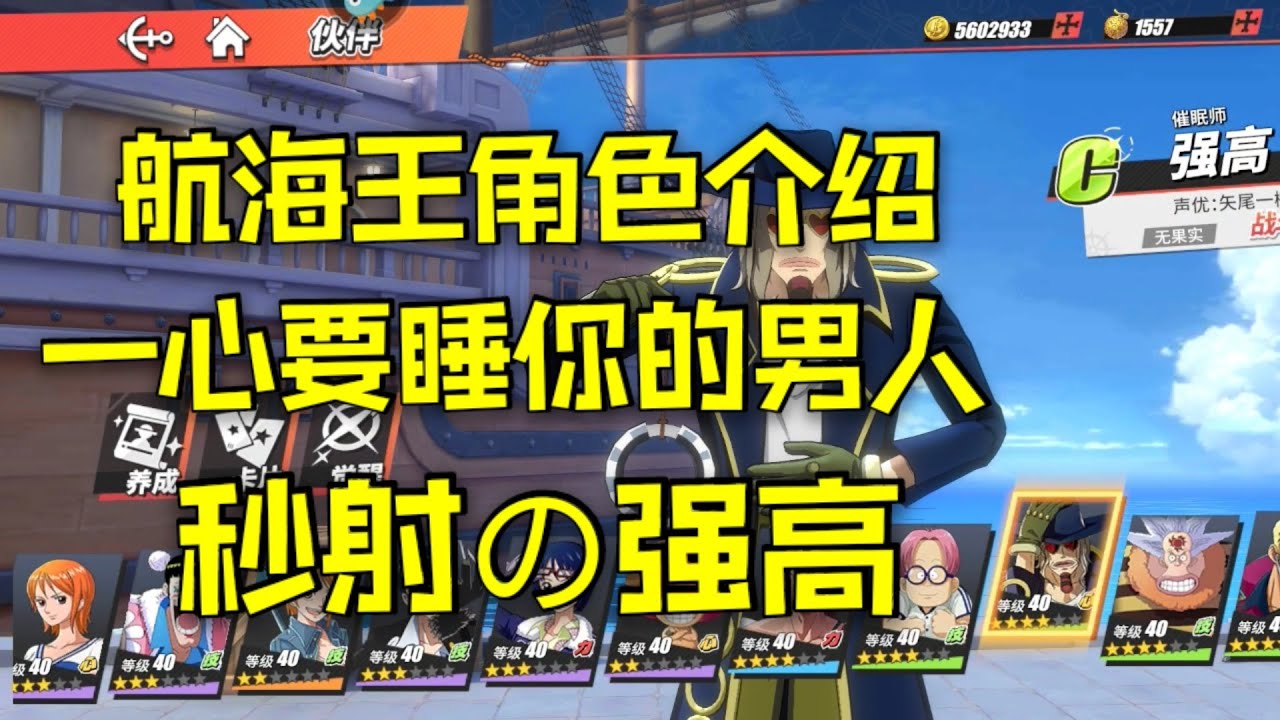
In Stone Island : Simulator, mastering Jango requires a shift in mindset from traditional melee-focused survival to a calculated, geometry-based approach to combat. Jango functions as a high-precision marksman whose effectiveness is tethered entirely to his ability to maintain optimal spacing. Unlike the frontline Stonefolk workers who absorb damage for your pirate stronghold, Jango is a glass-cannon archetype that relies on zoning, kiting, and cooldown management to neutralize threats before they can close the gap. This guide provides the expert strategies necessary to master his kit and dominate mid-to-long-range skirmishes.
Understanding Jango’s Specialized Projectile Mechanics
Jango’s kit is built around the trajectory and timing of his throwing weapons. To maximize his DPS, you must view his projectiles not merely as damage dealers, but as spatial control tools. His attacks often feature unique arc patterns that can bypass obstacles or catch enemies off-guard.
- Precision Over Spray: Jango’s damage output is gated by accuracy. Missing shots significantly reduces your sustained DPS and leaves you vulnerable during cooldown windows. Always lead your targets based on their movement speed rather than firing directly at their current position.
- Modifier Prioritization: When scavenging for gear, prioritize items that boost "Projectile Velocity" and "Accuracy." Higher velocity reduces the travel time of your projectiles, effectively increasing the window of opportunity to hit moving targets before they can dodge or find cover.
- Kiting Logic: Treat your movement as an extension of your attack. Always move laterally while firing to disrupt the enemy's aim. This "stutter-stepping" technique is essential for Jango, as staying static makes you a target for enemy archers or aggressive melee units.
Tactical Positioning and Crowd Control
Jango’s greatest strategic advantage is his capacity to dictate the flow of a fight. His abilities typically include minor knockback or disruption effects, which are your primary means of self-peel.
When navigating the mysterious islands of Stone Island : Simulator, utilize environmental features—such as stone pillars, wooden crates, and elevation changes—to force enemies into "choke points." If an opponent manages to close the distance, do not panic and attempt to trade basic attacks. Instead, deploy your displacement ability immediately to reset the engagement distance. Your goal is to keep enemies at the very edge of your maximum range, where they are susceptible to your projectiles but unable to land their own melee strikes.
Managing Skill Cooldowns for Sustained Output
A common mistake among novice Jango players is "button mashing." Because Jango relies on a cyclical damage pattern, your effectiveness is tied to your ability uptime. If your primary crowd-control or damage-multiplier skill is on cooldown, you are effectively operating at 30% of your potential.
- Wait for the Commitment: Watch for enemy animations. High-level players will often wait for an opponent to commit to a melee swing or a movement ability before firing their most potent projectiles. This ensures the target is locked into an animation, making them an easier target for your skill shots.
- Defensive Downtime: If your toolkit is cooling down, immediately retreat behind your frontline units or find hard cover. Never engage in a "dry" fight without your safety utility available. In Stone Island : Simulator, managing the rhythm of your cooldowns is the difference between a successful defense of your stronghold and a swift defeat.
Compensating for Defensive Limitations
Jango’s fragility is the price paid for his high-precision output. To survive, you must mitigate your lack of health through gear choices and proactive awareness. If you find yourself frequently being downed, your loadout is likely too focused on glass-cannon damage and not enough on agility.
- Prioritize Movement Speed: While attack damage is vital, mobility is a defensive stat for Jango. Items that increase your movement speed allow you to maintain the "sweet spot" distance required to land shots while staying outside the enemy's reach.
- Environmental Awareness: Always scout the terrain before starting a fight. If you are in an open field with no cover, you are at a distinct disadvantage. Use your exploration time to memorize which sections of the island offer the best lines of sight and potential retreat paths.
- Synergy with Stonefolk: If you are managing Stonefolk workers, use them as a diversion. A well-placed group of workers can draw enemy aggro, allowing you to reposition and pick off high-threat targets from the periphery.
Avoiding Common Strategic Mistakes
Even experienced players often fall into patterns that lead to Jango’s demise. Avoid the following pitfalls to maintain high win rates:
- Over-committing to Kills: Do not chase an enemy into a tight corridor. Jango loses his advantage in close quarters. If an enemy flees, let them go—maintaining your position is more important than securing a single kill.
- Ignoring Peripheral Threats: Jango players often tunnel-vision on their primary target. Always keep your camera moving to scan for flankers. Because you are a priority target for enemy players, you must remain hyper-vigilant.
- Mismanaging Resources: Do not waste your crowd-control abilities on low-health minions when you need them to peel for yourself against enemy players. Save your most valuable tools for high-threat situations.
By internalizing these mechanics, you will transform Jango from a fragile liability into the most dangerous asset on your pirate stronghold. Focus on consistent, long-range accuracy and discipline your movement to keep the battlefield on your terms. Through practice, you will master the art of the projectile and become a formidable force in the unpredictable world of Stone Island : Simulator.

Free Stone Island : Simulator Codes
Current active codes and how to redeem them.

Emily Johnson
Emily writes practical mobile strategy guides with a focus on resource planning, base progression, and the early decisions that shape a long-term account.
COMMUNITY
Player Comments
98 players commented on this guide.
This saved me time in the early game.
I wish I had read this before upgrading the wrong thing.
The tips are practical and easy to follow.
This guide answered the exact question I had.