
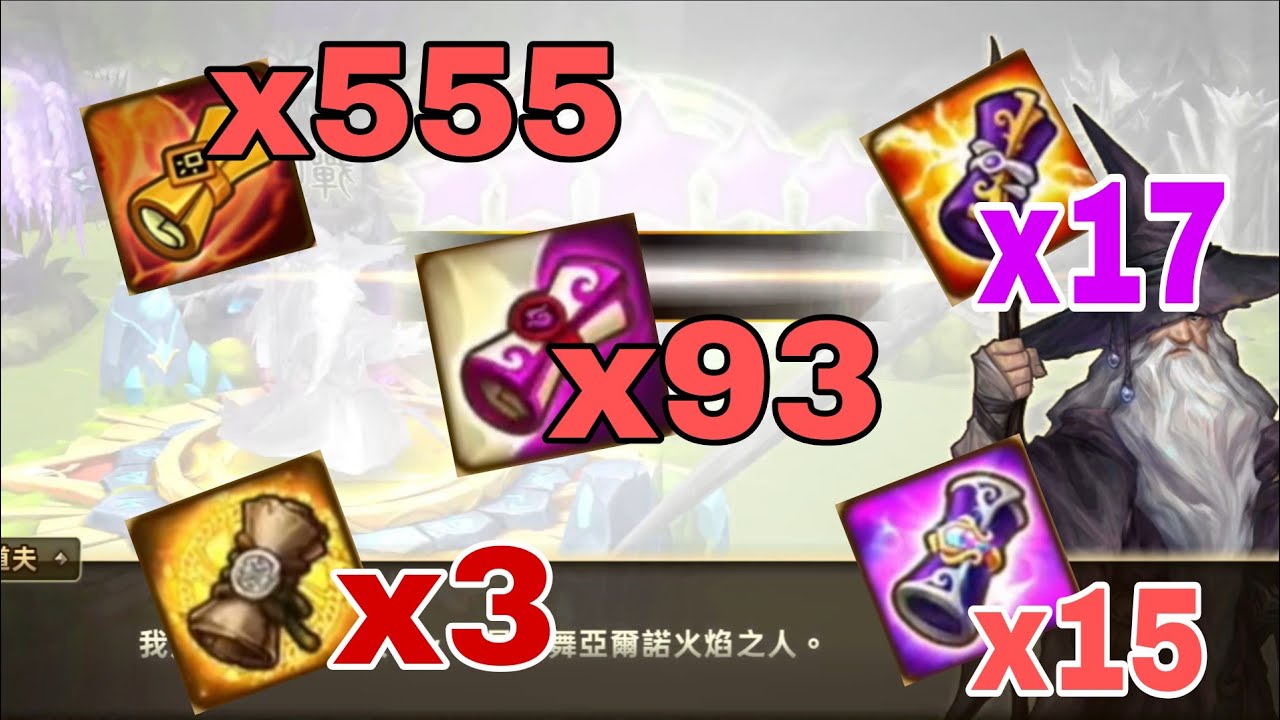
In Summoners War, the allure of the "Nat 5" pull is the heartbeat of the game. However, summoning as soon as you acquire a single Mystical Scroll is a recipe for stagnation. To truly progress, veteran players utilize "Mass Summoning Sessions"—the practice of hoarding hundreds of scrolls and summoning them in a single, dedicated window. This strategy transforms the chaotic nature of RNG into a structured event that maximizes your roster growth, optimizes your inventory management, and prepares your account for endgame challenges like RTA and Abyss Hard dungeons.
The Strategic Importance of Hoarding Scrolls
The most successful players in Summoners War treat summoning as a long-term investment rather than a daily gamble. By hoarding scrolls—Mystical, Elemental, Legendary, and All-Attribute scrolls—you create a "critical mass" that increases the statistical probability of hitting a desirable unit.
Why hoard?
- Pity and Probability: While Summoners War does not have a traditional "pity" system for all scrolls, concentrating your attempts increases the likelihood of breaking "dry streaks" that occur when summoning sporadically.
- Event Synergy: The game frequently runs events where specific summoning milestones grant bonus rewards (e.g., Devilmon, Reappraisal Stones, or Energy). Summoning outside of these windows is essentially wasting potential bonus resources.
- Psychological Control: Summoning sessions allow you to approach the game with a clear head. Instead of chasing a specific unit daily and feeling frustrated, you treat the session as a "harvest" event.
Preparing Your Account for the Big Day
A common mistake mid-game players make is failing to prepare their account infrastructure for a large influx of units. A session that requires constant pausing to clear space or farm Mana is an inefficient session.
Pre-session Checklist:
- Monster Storage Expansion: Ensure you have at least 50–100 free slots. You do not want to stop mid-session because your inventory is full.
- Mana Reserves: Keep at least 5–10 million Mana Crystals on hand. Pulling a game-changing unit is useless if you cannot afford to upgrade their runes or evolve them immediately.
- Fodder Management: Clear out your 2-star and 3-star trash before you start. Use the Power-up circle to level up fodder so you are ready to 6-star your new units instantly.
- Awakening Materials: Have a stockpile of essences for the various elements. Nothing is worse than pulling a top-tier monster and having to wait a week for the right Dungeon of Elements to open.
Mastering the RNG: Managing Expectations
The inherent volatility of Summoners War can be discouraging if you view every session as a "must-win" for a meta-defining unit like a Lyrith or a top-tier RTA bruiser. To maintain your sanity and long-term engagement, shift your mindset from "seeking the Nat 5" to "improving account utility."
Even if you don't pull a Nat 5, a successful mass session should provide:
- Skill-ups: Collecting 4-star units that can be used to skill up your existing core monsters.
- Fusion Fodder: Identifying units needed for the constant stream of fusion monsters.
- RTA Niche Units: Often, overlooked 3-star and 4-star units are hidden gems for specific RTA counter-picks. Evaluate every pull for its tactical utility rather than just its star rating.
Integrating New Monsters into Your Progression
Once the summoning animation ends, the real work begins. Your goal is to integrate these units into your existing progression path without disrupting your current rune-farming efficiency.
The Three-Tier Evaluation System:
- Tier 1 (Instant Build): Units that fill a hole in your current progression (e.g., a defense breaker for Abyss Hard, a cleanser for RTA). Prioritize your Devilmon here.
- Tier 2 (Storage/Waiting): Units that are strong but require high-end runes you don't currently possess. Keep them in storage; do not force a build that will underperform.
- Tier 3 (Skill-up Fodder): Units that provide no current value. Use these to feed your Tier 1 units to maximize their efficiency.
Always check the current meta reports or community wikis before feeding a monster. A unit that is considered "trash" today might receive a balance patch in a future update that makes them S-tier.
Balancing Summons with Core Progression
A major pitfall is over-investing in summoning at the expense of your Rune farming. Summoners War is, at its core, a game about runes. Even the strongest Nat 5 unit will fail if they are equipped with subpar, low-quality runes.
The Golden Rule of Resource Allocation: Never let your summoning session deplete your Mana to the point where you cannot farm your dungeons. If you are struggling to clear Dragon or Giant Abyss Hard, your priority should always be farming runes rather than summoning new units. Use the "double-dipping" strategy: time your mass summons to coincide with events that provide free energy or rune-drop rate buffs. This ensures that even if you have a "bad" summoning session, your account still moves forward through the passive accumulation of progress-oriented resources.
By following this disciplined approach, you turn the random nature of Summoners War into a calculated, predictable, and rewarding experience. Whether you are a free-to-play player or a high-spender, the secret to success is patience, preparation, and knowing exactly when to pull the trigger.

Free Summoners War Codes
Current active codes and how to redeem them.

Emily Johnson
Emily writes practical mobile strategy guides with a focus on resource planning, base progression, and the early decisions that shape a long-term account.
COMMUNITY
Player Comments
146 players commented on this guide.
This saved me time in the early game.
Can you add more details about resources in a future update?
Good guide for Summoners War players. The resources part was useful.
This helped me understand resources much better.