
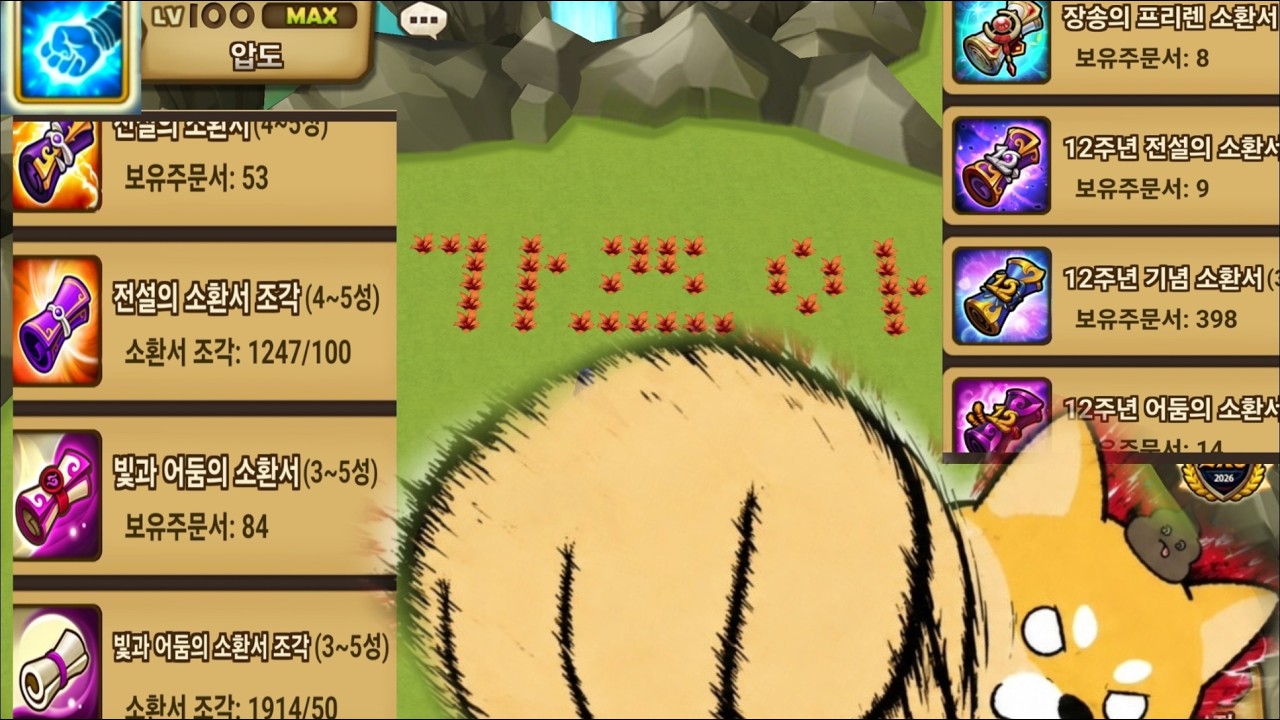
Summoning Light and Dark (L&D) monsters in Summoners War is the ultimate high-stakes gamble. Because L&D scrolls are the most difficult resource to acquire, the temptation to "rage summon" is a common trap that can derail your account's progress. To succeed in the long term, you must treat your L&D scroll sessions as a calculated investment rather than a lottery. By focusing on utility, inventory management, and strategic timing, you can transform these rare summons into the backbone of your competitive roster.
Understanding the Probability of L&D Summons
The most important factor to accept before visiting the Summoning Henge is the mathematical reality of Summoners War drop rates. The probability of pulling a Natural 5-star (Nat 5) L&D unit is astronomically low—often cited as roughly 0.35% per scroll.
Because the odds are so slim, chasing a specific Nat 5 is a recipe for frustration. Instead, expert players view L&D scrolls as a way to acquire high-utility 3-star and 4-star units. Many of the game’s most essential monsters for Siege Battle defense, RTA speed leads, and niche dungeon teams are actually "lower" rarity L&D units. When you shift your goal from "chasing the jackpot" to "improving your toolkit," every summoning session becomes a success, even when the lightning doesn't lead to a Nat 5.
Timing Your Summoning Sessions for Maximum Value
Never summon your scrolls the moment you acquire them. Disciplined players hoard their scrolls to coincide with specific in-game events. Summoners War frequently hosts "Summoning Bonus" events or "Collaboration" events where the number of scrolls used rewards you with additional resources, such as legendary runes, devilmons, or summoning stones.
By waiting for these windows, you effectively increase the "Return on Investment" (ROI) of every scroll. If you use 50 L&D scrolls during a standard week, you get 50 units. If you use those same 50 scrolls during a major event, you might receive additional energy, mana, or upgrade materials that significantly accelerate your account’s growth. Patience is your greatest tool for maintaining a competitive edge.
Audit and Prepare Your Account
Before you begin a mass-summoning session, perform a mandatory audit of your account. A lack of preparation leads to clutter, which is the enemy of efficiency.
- Clear Storage Space: Ensure you have at least 20–30 slots available in your Monster Storage. You do not want to stop in the middle of a hot streak to clear out fodder.
- Mana Reserves: Keep at least 2–3 million Mana Stones on hand. Summoning new units is only the first step; you will need to awaken, evolve, and rune them immediately if they are high-priority targets.
- Locking Protocols: Always lock your new monsters immediately. It is heartbreaking to accidentally feed a rare L&D 3-star that could have been a core unit in a niche guild defense.
- Tagging System: Use the in-game tagging system to label new units as "Project," "Storage," or "Fodder." This prevents you from losing track of potential gems in your inventory.
Evaluating Units: Beyond the Star Rating
A common mistake among intermediate players is foddering units that seem mediocre at first glance. Summoners War is a game of shifting metas; a unit that is considered "trash" today might become a top-tier RTA counter-pick after a single balance patch.
Before feeding any L&D monster, check community resources like the SW-DB or consult your guild’s veteran players. Look for these indicators of value:
- Unique Passives: Any unit that manipulates the Turn Order, provides team-wide damage mitigation, or features "Ignore Defense" mechanics is worth keeping.
- Speed Leads: L&D units with Speed leader skills are the most valuable assets in RTA.
- Crowd Control (CC): Units with reliable AOE (Area of Effect) stun, sleep, or freeze mechanics are critical for progression in Abyss Hard dungeons and ToA (Trial of Ascension).
The "Rune-First" Philosophy
A common pitfall is summoning more units than your rune inventory can support. A Nat 5 monster is only as effective as the runes attached to it. If you pull an incredible unit but have no high-quality, speed-tuned runes to equip it, that unit will sit in your storage for months.
Your summon rate should be paced by your farming rate. If you spend your time farming Dragon’s Lair or Abyss Hard mode, you will accumulate the runes necessary to support your new summons. If you find your storage overflowing with un-runed Nat 5s, stop summoning and return to the dungeons. Your progression is measured by your rune quality, not by the color of the stars on your monsters.
Avoiding Burnout and Managing Expectations
RNG (Random Number Generation) can be cruel. It is possible to go through hundreds of scrolls without seeing a Nat 5. To prevent burnout, set a strict "Summoning Budget." For example, agree to only summon when you have reached a milestone, such as finishing a ToA cycle or reaching a certain guild rank.
If a session ends poorly, walk away from the altar. Do not attempt to "chase" your losses by buying more packs or depleting your emergency resources. Remember that the core of Summoners War is a marathon, not a sprint. The strongest players are those who optimize their existing roster with superior runes and clever team compositions, using L&D units as the "cherry on top" rather than the foundation of their strategy.
Conclusion: Playing the Long Game
By treating your L&D scrolls with the respect they deserve—hoarding for events, auditing your inventory, and prioritizing rune quality over unit quantity—you insulate yourself against the volatility of the summoning system. Focus on building the monsters you have, and view every L&D summon as an opportunity to diversify your strategy rather than a requirement for success. With this disciplined approach, you will find that your account not only grows faster but becomes significantly more resilient in the competitive landscape of Summoners War.

Free Summoners War Codes
Current active codes and how to redeem them.

Sarah Williams
Sarah specializes in RPG and collection games, explaining team building, character growth, and beginner-friendly ways to avoid expensive early mistakes.
COMMUNITY
Player Comments
156 players commented on this guide.
Nice guide. I am checking the other Summoners War articles next.
The explanation is clear, especially for beginners.
Good guide for Summoners War players. The resources part was useful.
The tips are practical and easy to follow.