
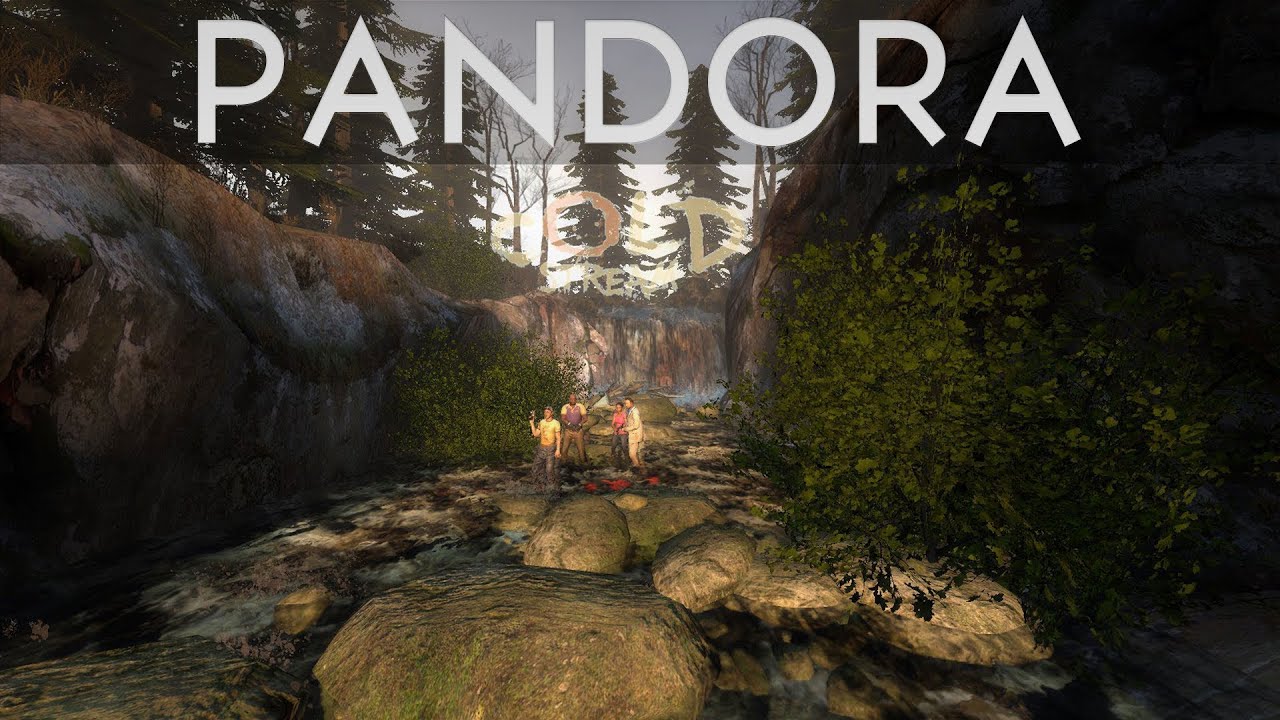
Successfully navigating the Alpine Creek map in Survival: Pandora's Carnival requires a shift from run-and-gun tactics to disciplined, territory-focused gameplay. Because the environment features complex verticality and dense foliage that obscures vision, success is defined by how well you control the map’s bottlenecks rather than how fast you can push through them. This guide breaks down the core mechanics of survival, resource management, and team tactics required to endure the relentless waves of this challenging stage.
Prioritizing High-Ground Defensive Positioning
The most effective strategy for survival in Alpine Creek is securing elevated positions that limit the approach vectors of incoming threats. By maintaining the high ground, you force enemies into predictable, narrow paths, making it significantly easier to manage crowd control without becoming overwhelmed by the swarms.
When you identify an elevated platform, staircase, or rock formation, prioritize holding that space rather than pushing forward aggressively into open fields. Enemies in Survival: Pandora's Carnival frequently spawn in waves that capitalize on player overextension; holding a high-ground bottleneck allows your team to focus fire efficiently.
Expert Tip: Always ensure one team member is designated to watch the rear. Because Alpine Creek features complex terrain, verticality often creates blind spots behind your defensive line where fast-moving special threats can flank you. If your team is holding a balcony or ridge, the player in the "rear guard" role should focus exclusively on vertical entry points and back-path spawns.
Strategic Resource Management for Survival
Resource preservation—specifically regarding health kits and adrenaline—is the difference between a successful run and a premature exit. Alpine Creek features long traversal segments with limited restocking points, meaning you must resist the urge to use supplies immediately upon taking minor chip damage.
Establish a "health threshold" for your squad. A common professional standard is to only use healing items when a player's effective health drops below 40% or if they are in immediate danger of being incapacitated. This ensures your team maintains a buffer for the high-intensity final-act encounters.
Furthermore, manage your ammunition economy by treating your weapons as specialized tools:
- Small Arms: Use standard ammunition for clearing common infected swarms during transit.
- High-Caliber/Specialized: Save these exclusively for "choke point" holds or when elite special threats appear.
- Rotation: If a teammate is low on ammo, have them transition to a support role, baiting or crowd-controlling enemies while the player with the most ammunition holds the primary line of sight.
Managing Enemy Density and Special Threats
Survival in this mode relies on your ability to distinguish between common swarms and high-priority special targets. Alpine Creek introduces environmental geometry that allows specific enemy types to hide behind natural obstacles, making them difficult to spot until they are within striking distance.
Implement a "focus-fire" protocol to maintain control. When a special enemy appears, the team should immediately pivot to neutralize the target before resuming their focus on the common infected. This prevents the "snowball effect," where one missed special threat disrupts your defensive formation, causing you to burn through resources at an unsustainable rate.
Use auditory cues to your advantage. Survival: Pandora's Carnival utilizes distinct sound design for different enemy types. If you hear the specific growl or mechanical audio cue of a special threat, stop your movement immediately, secure your back, and wait for the enemy to reveal itself at the edge of your defensive line rather than pushing blindly into the foliage.
Navigating Environmental Hazards and Visibility
The visual design of Alpine Creek presents unique challenges, particularly regarding lighting and terrain density. Shadows and dense vegetation can mask the movement of incoming swarms, requiring players to utilize their flashlights strategically.
- Stealth vs. Sight: Keep your flashlights off when moving through clear areas to minimize your visibility to distant threats. Turn them on immediately upon entering caves, dense forest thickets, or low-light zones to ensure you can identify potential ambush points before they become a liability.
- Transit Zones: Traversal through water-logged or uneven sections of the map slows down movement speed significantly. During these segments, avoid stopping to engage unless absolutely necessary. Instead, use movement-enhancing items like adrenaline to maintain your momentum. Treat these difficult traversal zones as "transit-only" areas to minimize the amount of time you spend exposed to enemy pathing.
Coordination and Team Cohesion
Consistent communication is the final pillar of survival when playing on the Alpine Creek map. Because the map layout is non-linear and obscured by natural features, it is easy for team members to become separated.
Establish a "visual tether" rule: no player should push beyond the clear visual range of the team leader. This simple constraint prevents individuals from being picked off by isolated spawns and ensures that, should a crisis occur, the entire team is positioned to provide immediate support.
If a teammate is separated or downed, the best approach is to hold a static position and draw the enemy toward you rather than blindly rushing to their location. By staying together, you maximize the effectiveness of your collective loadout. Rushing to a downed teammate in the middle of a swarm is the most common reason for a "team wipe." Instead, clear the immediate area around the downed player from your fortified position before attempting a revive.
Decision-Making: When to Hold and When to Move
The pacing of Survival: Pandora's Carnival is not constant; it fluctuates based on the current intensity of the swarm. Learning to read the ebb and flow of these waves is essential for navigating Alpine Creek.
- The Calm: During lower-intensity moments, prioritize looting and repositioning to the next high-ground objective.
- The Surge: When the intensity peaks, stop all movement. Find the nearest secure corner or ridge and commit to a static defense. Do not try to move through a surge; you will lose your positioning and likely be separated.
- The Break: Once a surge subsides, immediately move as a group to the next objective before the next wave begins.
By mastering these transitions, you transform Alpine Creek from a chaotic scramble into a series of manageable, defensive engagements, significantly increasing your chances of surviving the carnival’s most unforgiving terrain.

Free Survival: Pandora's Carnival Codes
Current active codes and how to redeem them.

Sarah Williams
Sarah specializes in RPG and collection games, explaining team building, character growth, and beginner-friendly ways to avoid expensive early mistakes.
COMMUNITY
Player Comments
133 players commented on this guide.
I tried this today and it worked better than my old setup.
The tips are practical and easy to follow.
Good guide for Survival: Pandora's Carnival players. The base building part was useful.
I wish I had read this before upgrading the wrong thing.