
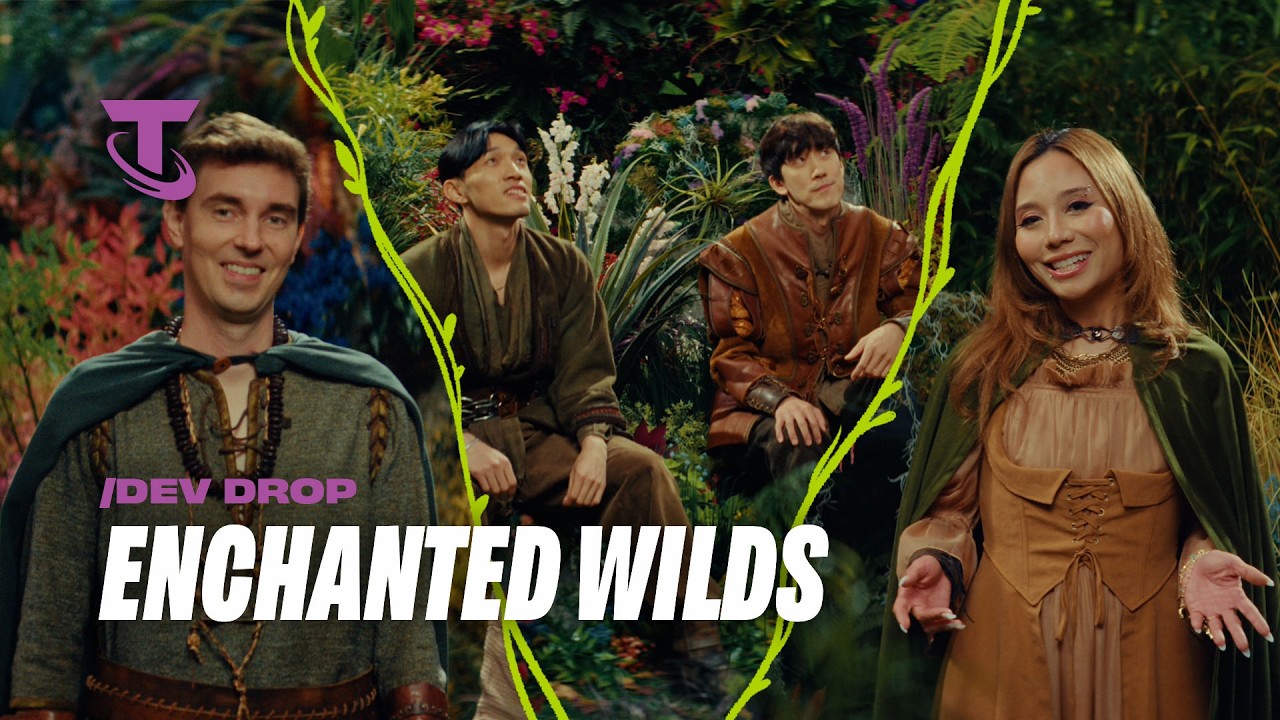
The Enchanted Wilds set represents a fundamental shift in the TFT: Teamfight Tactics landscape, introducing dynamic environmental mechanics and a revamped trait system that demands higher levels of adaptability. Success in this set is not merely about finding a "broken" composition, but about mastering the integration of the new Wisp mechanic while navigating a volatile, fast-paced economy. To climb the ranks, players must move beyond static build guides and learn to read the ebb and flow of the shared champion pool and the unique utility provided by their Wisps.
Understanding the Wisp Mechanic: Tactical Positioning
The Wisp mechanic is the defining feature of TFT: Teamfight Tactics in the Enchanted Wilds set. Unlike previous set augments or temporary buffs, Wisps act as semi-autonomous entities that occupy the battlefield, providing continuous utility throughout the fight.
How Wisps Impact Combat
- Aura Buffs: Most Wisps emit an aura that buffs adjacent units. Positioning your primary damage carry within this aura is crucial for maximizing DPS.
- Targeting Distraction: Wisps occupy a hex, which can effectively block enemy units or force them to path differently. Use this to protect your backline squishy carries from enemy divers.
- Scaling Utility: As the game progresses, Wisps evolve. Prioritize upgrading your Wisp’s utility to match your team’s win condition—whether that means increasing your frontline’s armor or accelerating your carry’s mana generation.
Expert Tip: Do not treat Wisps as "set and forget." In the mid-to-late game, repositioning your Wisp in response to an opponent’s carry can be the difference between a round win and a loss. If an opponent is running an assassin-heavy board, move your Wisp to the backline to provide a defensive buff or to act as a body-blocker for your carries.
Leveraging New Trait Synergies
The Enchanted Wilds set rewards vertical trait investment. The synergy bonuses in this set scale exponentially at higher tiers, making "chasing" a trait often more effective than building a "soup" board of high-cost units.
Identifying Your Anchor Traits
- Survivability Traits: These are essential for stages 2 and 3. Identify which units provide these bonuses early and prioritize them to preserve your health pool.
- Burst Damage Traits: Reserve these for your late-game pivot. These traits often rely on specific items to be effective, so plan your item components early.
- Hybrid Units: Look for "splashable" champions—units that belong to three or more traits. These units are your best friends when pivoting, as they allow you to swap out core synergies without losing your entire board’s identity.
Managing the Champion Pool and Economy
In TFT: Teamfight Tactics, your economy is your greatest tool. In Enchanted Wilds, the temptation to roll for high-cost units is high, but the set heavily favors stable, two-star boards.
The Two-Star Rule
A board of two-star units with active, synergistic traits will almost always outperform a board of disparate, un-upgraded high-cost units. Before you push for level 8 or 9, ensure your core units are at least two-starred. If you are being contested, do not hesitate to pivot. The shared pool is limited; if three players are fighting for your carry, the odds of you hitting a three-star unit are mathematically disadvantageous.
Strategic Pivot Points
- Stage 3-2: Evaluate your board strength. If you are win-streaking, push for level 6 to maintain tempo. If you are struggling, roll down to 30 gold to stabilize.
- Stage 4-1: This is the primary pivot point for most Enchanted Wilds compositions. Transition from your early-game item holders to your late-game carries.
- Stage 5-1: Final board optimization. Sell your early-game utility units to make room for high-cost legendaries that fit your chosen traits.
Mistakes to Avoid in Enchanted Wilds
Many players struggle because they fail to adapt to the lobby's specific meta. Avoid these common pitfalls:
- Over-committing to a Build: Just because you hit a powerful item in Stage 2 does not mean you are locked into a specific comp. Stay flexible until Stage 3-2.
- Ignoring Scout Information: If you see three other players building the same trait, you are likely to get "contested." Use your gold to transition into a different, uncontested synergy.
- Mismanaging Wisp Scaling: Failing to adjust your Wisp’s position or utility type during late-game rounds is a common error. Always check your Wisp’s tooltip between rounds to ensure it is providing the correct buff for your current team state.
Strategic Decision-Making: When to Push or Roll
The Enchanted Wilds set is fast. Players who hoard gold too long often find themselves eliminated before they can field their "ideal" late-game board.
- The Aggressive Strategy: If you have an aggressive start with high-tier items, push levels early to dictate the lobby pace. This forces opponents to spend gold to survive, preventing them from reaching their power spikes.
- The Defensive Strategy: If your start is weak, prioritize interest gold. Aim to reach 50 gold as quickly as possible. Use your health as a resource; don't panic-roll unless you drop below 40 HP.
Summary: The Path to Mastery
To win in the Enchanted Wilds set, you must treat your Wisp as an 11th (or 9th) unit on the board. Combine this with disciplined economy management, a focus on vertical trait completion, and a willingness to pivot away from contested units. By mastering these core pillars, you will be able to navigate the evolving meta of TFT: Teamfight Tactics and consistently secure top-four finishes. Remember: the game is not won by the player with the best items, but by the player who makes the best decisions based on the board state provided to them.

Free TFT: Teamfight Tactics Codes
Current active codes and how to redeem them.

Sarah Williams
Sarah specializes in RPG and collection games, explaining team building, character growth, and beginner-friendly ways to avoid expensive early mistakes.
COMMUNITY
Player Comments
81 players commented on this guide.
The tips are practical and easy to follow.
Nice guide. I am checking the other TFT: Teamfight Tactics articles next.
I wish I had read this before upgrading the wrong thing.
This helped me understand strategy much better.