
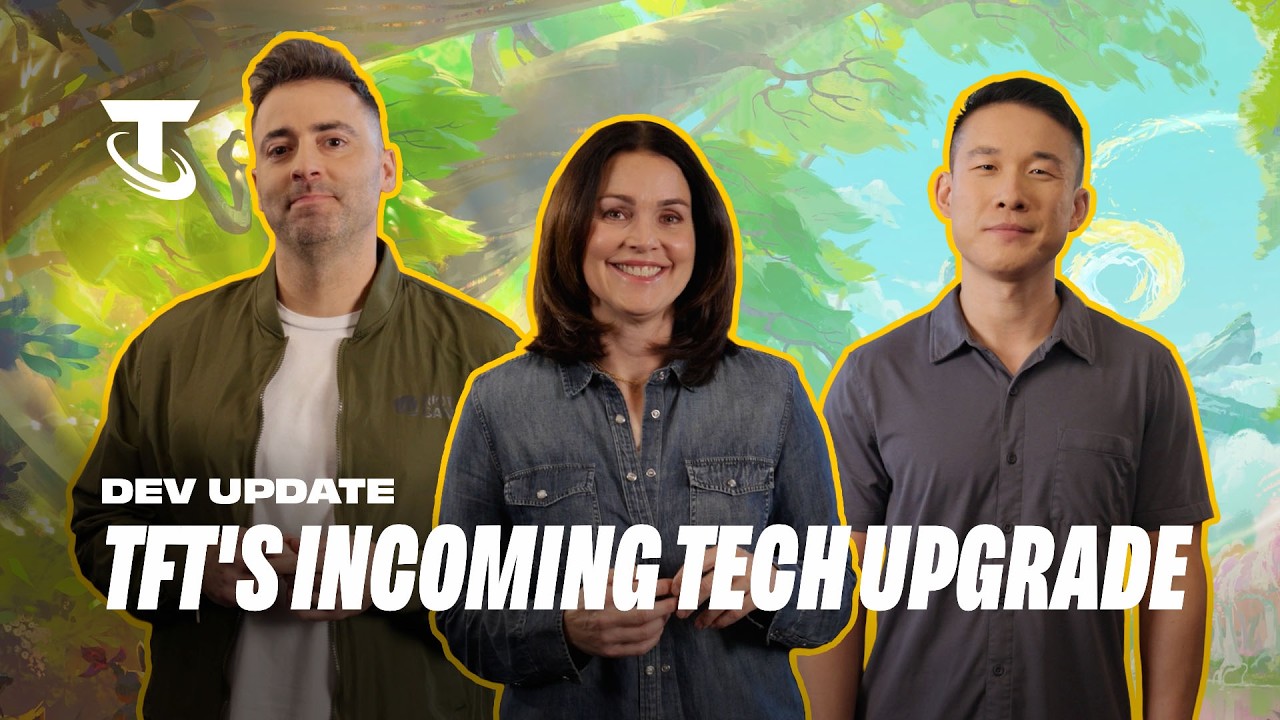
The transition of TFT: Teamfight Tactics to the Unreal engine marks the most significant technical evolution in the game’s history. As the auto-battler genre continues to grow in complexity, the development team has moved to replace the legacy engine with a modern, industry-standard framework. For the average player, this shift is designed to be seamless, focusing on long-term stability, reduced technical debt, and a more unified experience across both PC and mobile devices. This guide breaks down exactly what this migration means for your gameplay experience, the future of the meta, and why this change is critical for the game’s longevity.
Why the Switch to Unreal? Addressing Technical Debt
For years, the development team behind TFT: Teamfight Tactics has operated within the constraints of a proprietary engine that was never originally designed for the specific, high-intensity needs of an eight-player auto-battler. As sets became more complex—featuring intricate trait webs, high-density particle effects, and diverse board-wide interactions—the engine struggled to keep pace, leading to "technical debt."
Technical debt in game development refers to the accumulation of "quick fixes" or workarounds that make the codebase harder to maintain over time. By migrating to Unreal, the developers are essentially hitting a reset button. This allows them to:
- Streamline Development: Implement new gameplay mechanics and features without accidentally breaking existing ones.
- Faster Bug Resolution: Utilize modern debugging tools that isolate issues in real-time, meaning fewer persistent bugs following patch cycles.
- Modular Design: Build the game in a way that allows for easier scaling, ensuring that the next set is as stable as the first.
Performance and Stability: Solving Late-Game Lag
If you have ever played a late-game stage where multiple 5-cost units cast high-impact abilities simultaneously, you have likely experienced the performance hitches associated with the old engine. These "frame drops" or "stuttering" moments are not just an annoyance—they directly impact competitive integrity.
The Unreal engine is far better equipped to handle the heavy computational load of a crowded battlefield. Players can expect:
- Increased Frame Rate Stability: Fewer drops during chaotic combat rounds, allowing for more consistent reaction times when scouting or pivoting.
- Reduced Client Crashes: A more robust memory management system reduces the likelihood of the dreaded "client crash" in the middle of a high-stakes ranked game.
- Improved Optimization: The engine handles simultaneous unit animations and spell calculations more efficiently, ensuring the game stays responsive even when the board is full of active traits and items.
Visual Fidelity and Information Clarity
A common concern with engine migrations is whether the game’s signature aesthetic will change. The developers have confirmed that the core art style of TFT: Teamfight Tactics will remain consistent; you will still recognize your favorite units and boards. However, the way these elements are rendered is receiving a massive upgrade.
Leveraging Modern Rendering
- Advanced Particle Systems: Ability casts, trait activations, and board-wide events will look crisper and more modern.
- Shader Improvements: Better lighting and shader support will help differentiate unit models from the background, making the board easier to "read" at a glance.
- Visual Clarity: In a game where every second counts, being able to quickly identify which champion is casting a crucial ability is paramount. Unreal’s superior rendering capabilities allow the design team to ensure that even the most complex visual effects do not clutter the screen to the point of obscuring tactical information.
Achieving True PC and Mobile Parity
One of the most significant pain points in TFT: Teamfight Tactics has been the gap between the PC and mobile versions. Previously, maintaining two separate pipelines meant that bugs often appeared on mobile that were not present on PC, or that features were delayed on one platform.
The move to Unreal simplifies this by allowing the team to work from a unified codebase. This "write once, deploy everywhere" approach provides several key benefits:
- Unified Patch Delivery: Updates will be pushed to PC and mobile concurrently, ensuring the meta remains consistent across all devices.
- Hardware Optimization: Mobile players will benefit from better performance on a wider array of devices, as the Unreal engine is highly scalable and optimized for modern mobile hardware.
- Cross-Platform Feature Parity: The user interface (UI) and user experience (UX) will become more cohesive. Whether you are using a mouse and keyboard or a touchscreen, the interactions—from buying units to placing items—will feel identical in responsiveness and design logic.
Future-Proofing: What This Means for Future Sets
Beyond the immediate performance gains, this migration is about the future of TFT: Teamfight Tactics. By removing the technical ceiling imposed by the old engine, the design team is now free to experiment with more ambitious mechanics.
In the past, certain ideas may have been scrapped during the concept phase simply because the engine could not support them without compromising performance. With Unreal, the team can explore:
- More Complex Unit Interactions: Expect more creative trait designs and unique spell mechanics that require heavier processing power.
- Dynamic Environments: The engine supports more advanced environmental effects, potentially leading to more interactive or visually shifting boards in future sets.
- Rapid Iteration: The ability to prototype and test new ideas faster means the game can evolve more rapidly, keeping the meta fresh and exciting for veteran players.
How to Prepare for the Transition
For the average player, the transition will be handled automatically through the standard game launcher updates. However, to ensure a smooth experience during the migration, keep these tips in mind:
- Update Your Drivers: Ensure your GPU drivers are up to date on your PC. Unreal engine games perform best when your hardware is running the latest software optimizations.
- Mobile Device Storage: While the engine is highly optimized, major updates sometimes require a fresh install. Keep an eye on your mobile device’s storage space to ensure you have enough room for the updated client.
- Report Issues: As with any massive technical overhaul, unexpected behavior can occur. If you notice performance anomalies, use the in-game reporting tool to provide feedback. The developers rely on player data to fine-tune the engine’s performance for specific hardware configurations.
The migration to the Unreal engine is a foundational commitment to the longevity and health of TFT: Teamfight Tactics. By choosing to modernize the engine now, the developers are ensuring that the game remains the premier competitive auto-battler, capable of supporting the next generation of sets, mechanics, and players.

Free TFT: Teamfight Tactics Codes
Current active codes and how to redeem them.

Sarah Williams
Sarah specializes in RPG and collection games, explaining team building, character growth, and beginner-friendly ways to avoid expensive early mistakes.
COMMUNITY
Player Comments
142 players commented on this guide.
Nice guide. I am checking the other TFT: Teamfight Tactics articles next.
I tried this today and it worked better than my old setup.
Can you add more details about strategy in a future update?
Good guide for TFT: Teamfight Tactics players. The strategy part was useful.