
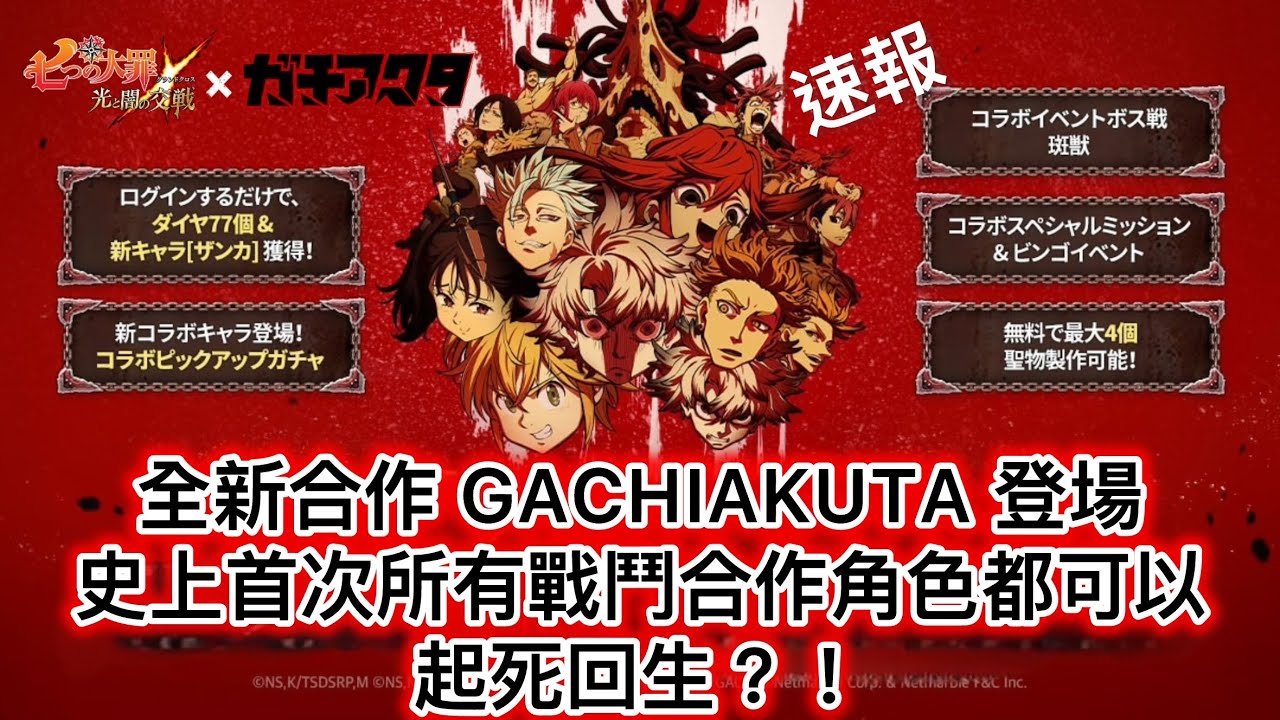
Every playable combat hero from the Gachiakuta collaboration in The Seven Deadly Sins possesses a built-in revival passive that triggers upon receiving fatal damage. When an attack reduces a Gachiakuta unit to zero HP, the death animation is cancelled, overkill damage from that specific hit is absorbed, and the character restores a portion of health while retaining all accumulated Ultimate Move gauge orbs.
To capitalize on this mechanic, place these units directly in harm's way to soak high-rank single-target burst cards, preserve team offensive tempo, and counterattack on your following turn.
Collab Hero Revive Roles and Behaviors
Each Gachiakuta unit handles fatal damage with a distinct post-revival tactical role. Because their cheat-death passives trigger independently, you can deploy them as solo anchors or run multiple collab units together to complicate your opponent's targeting priorities.
| Hero | Role | Revive Trigger Condition | Post-Revival Focus |
|---|---|---|---|
| Rudo | Sustained DPS | Triggers at 0 HP; restores health with offensive stat buffs | Delivers high-damage retaliatory strikes |
| Cleaner Enjin | Frontline Bruiser | Triggers at 0 HP; restores health with defensive reinforcement | Disrupts attackers and shields teammates |
| Zanka Nijiku | Single-Target Assassin | Triggers at 0 HP; restores health and offensive tempo | Eliminates priority enemy threats quickly |
| Riyo Reaper | Agile Skirmisher | Triggers at 0 HP; restores health with evasive utility | Cycles cards rapidly and executes low-HP targets |
A critical advantage of this roster is Ultimate Move gauge retention. In standard combat, a hero eliminated by an opponent loses all accumulated gauge orbs. Gachiakuta units retain their full gauge through the revive sequence. If an enemy focuses attacks on an ally holding four or five orbs, the revive prevents the loss and ensures your Ultimate Move is ready to fire when your turn begins.
Exploiting Turn Economy and Burst Absorption
The primary strategic strength of the Gachiakuta kit is negating excessive damage. Opposing teams often spend rank-two or rank-three damage cards during their opening turn to secure an early elimination. Against a Gachiakuta unit, all overkill damage exceeding their remaining health pool on that hit is completely lost.
To exploit this card-economy advantage:
- Bait Single-Target Nukes: Position high-value damage dealers like Rudo or Zanka aggressively, forcing opponents to decide between wasting heavy damage on a reviving target or attacking a less vital secondary hero.
- Punish Depleted Card Hands: Opponents often commit multiple card slots to trigger a single revive. Once their attack phase ends with expended cards, retaliate against their exposed damage dealers.
- Protect the Revived Pool: After surviving lethal damage, your hero returns with a fixed percentage of HP. Pair Gachiakuta heroes with backline supports that offer team damage reduction or barriers to keep revived units alive until they act.
Counters and Limitations
While universal revives counter first-turn wipe strategies, they have definite limitations:
- Single-Use Limit: Each unit's revival passive activates only once per match.
- Multi-Card Turn Chains: An opponent who queues multiple attacks on the same character can trigger the revive with their initial cards and finish the remaining health with their final card slot in the same turn.
- Recovery Prevention (Infection): Debuffs that block healing neutralize the health restoration component of the passive. An infected hero reduced to zero HP revives with zero or near-zero health, making them vulnerable to immediate defeat from chip damage.
- Crowd Control: Stuns, petrifications, freezes, and Ultimate Move gauge removal can disable a revived unit before their counter-turn arrives. Cleanse debuffs promptly to ensure your surviving units can attack.
Recommended Equipment Sets
Your choice of equipment determines whether your revived hero acts as an enduring sponge or an immediate revenge attacker:
- HP/Defense: Optimal for frontline tanks like Cleaner Enjin or players prioritizing team Combat Class. Scaling maximum HP increases the flat health restored when the passive activates, ensuring the hero survives follow-up chip attacks.
- Attack/Critical Damage: Best suited for primary damage dealers such as Rudo and Zanka Nijiku. Although this setup yields a smaller numerical health pool upon revival, it maximizes offensive stats so your counter-strike eliminates the opposing attacker immediately.

Free The Seven Deadly Sins Codes
Current active codes and how to redeem them.

Emily Johnson
Emily writes practical mobile strategy guides with a focus on resource planning, base progression, and the early decisions that shape a long-term account.
COMMUNITY
Player Comments
104 players commented on this guide.
I wish I had read this before upgrading the wrong thing.
Good guide for The Seven Deadly Sins players. The heroes part was useful.
Can you add more details about heroes in a future update?
This helped me understand heroes much better.