
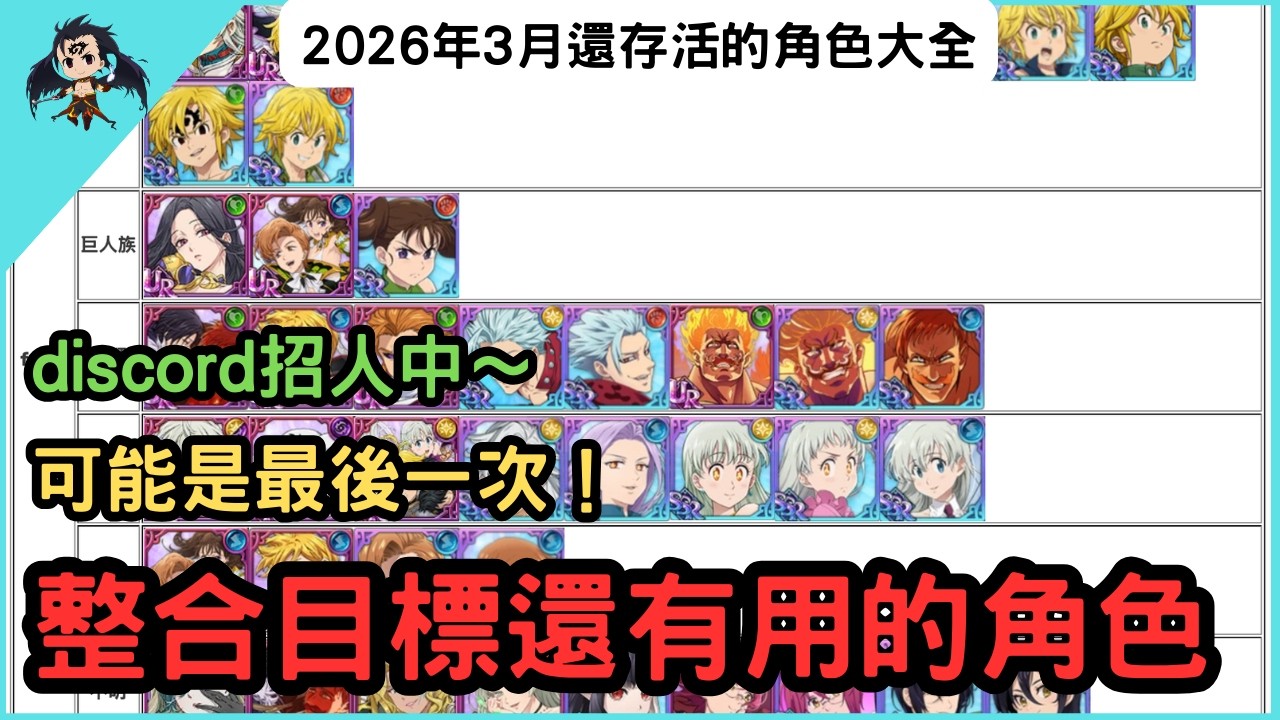
In The Seven Deadly Sins: Grand Cross, the rapid pace of power creep makes efficient resource management the difference between a top-tier account and a stagnant one. To maintain dominance in competitive PvP, Death Matches, and Demonic Beast Battles through 2026, you must pivot your investment toward characters with "evergreen" mechanics. These are units whose value is derived not from raw damage multipliers—which inevitably become obsolete—but from unique passives, utility, and race-based synergies that remain relevant across multiple meta shifts.
Identifying Evergreen Mechanics: Utility Over Damage
The most common mistake for players is chasing high-damage dealers who lack secondary utility. In The Seven Deadly Sins: Grand Cross, damage numbers are fleeting; today’s nuker is tomorrow’s bench warmer. True longevity is found in characters that manipulate the core rules of the game.
When evaluating a new unit for your roster, look for these long-term indicators:
- Passive Stat Manipulation: Characters that provide team-wide stat increases, debuff immunity, or enemy stat reduction remain relevant because they provide a foundational buff that scales with any damage dealer you plug into the team.
- Ultimate Gauge Control: Units capable of depleting the enemy's ultimate gauge or accelerating your own are perpetually useful. This mechanic is a hard counter to almost any team composition, regardless of the current offensive meta.
- Debuff/Buff Cleansing: As developers introduce more complex status effects, units that can cleanse debuffs or remove enemy buffs retain high value. These are "safety" units that prevent your team from being locked down by niche mechanics.
Strategic Archetype Prioritization
Rather than building teams around individual heroes, focus on the "pillars" of the meta: Race-based teams. The Seven Deadly Sins: Grand Cross heavily favors synergies within the Demon, Goddess, and Human races.
Why Race-Based Teams Survive
Developers consistently release "support" units for specific races. If you have invested in the core support for a Demon team, you can refresh that entire team’s power simply by pulling the newest primary damage dealer. This is far more cost-effective than trying to build a new team from scratch every three months. By focusing your gems and materials on the support foundation of a specific race, you ensure that your account always has a competitive "engine" ready to be upgraded.
Resource Management: Avoiding the Summoning Trap
The temptation to pull on every banner is the primary cause of resource depletion. To stay ahead, you must treat your Gem count as a strategic investment fund.
- The "Must-Have" Checklist: Before pulling, ask: Does this unit enable a new team archetype, or does it merely provide a 5% damage increase to an existing one? If it is the latter, skip it.
- Dupe vs. New Unit: For many top-tier supports, their passive is active at 1/6 Ultimate level. Unless a character’s Ultimate level significantly changes their utility or provides a massive stat boost, prioritize unlocking new meta-shifting passives over chasing dupes.
- Material Hoarding: Always keep a reserve of evolution materials and awakening stones. When a meta-shifting unit (like a new festival character) arrives, you need to be able to max them out immediately to capitalize on the early-meta advantage in PvP.
Adapting to PvP Dynamics and Anti-Meta Tech
PvP is the ultimate test of your roster’s longevity. As the meta shifts, you will encounter "flavor of the month" teams designed to one-shot opponents. Your goal is not to match their damage, but to possess the "anti-meta" tech to disrupt them.
- Counter-Passives: Look for units that punish enemies for specific actions—such as attacking with a specific card type or using an Ultimate move. These units are your insurance policy. Even if they aren't your primary damage dealer, keeping one leveled in your sub-slot or back-line can turn a losing matchup into a victory.
- The Power of the Sub-Slot: Many players underestimate the importance of the sub-slot character. A character whose passive activates while in the sub-slot (providing defensive buffs, stat boosts, or debuff removal) essentially acts as a permanent team upgrade without ever needing to take a turn.
Evaluating Units for 2026 Viability
As we move through 2026, the game’s complexity will continue to increase. When assessing characters, prioritize those with "cleansing" and "buff-removal" capabilities, as these mechanics are the most resistant to power creep.
Comparison: Raw Damage vs. Utility
| Feature | Damage Dealer (Short Term) | Utility Support (Long Term) |
|---|---|---|
| Meta Lifespan | 3–6 Months | 12+ Months |
| Role | Replaced by higher multipliers | Replaced only by power-crept mechanics |
| Investment | High (needs max gear/stats) | Medium (utility often works at base) |
| Team Synergy | Low (selfish kit) | High (enables the whole team) |
Common Mistakes in Roster Development
- Over-Investing in "Niche" Units: Do not max out a unit that only shines in one specific, non-competitive game mode. Use your resources to make your core roster "all-rounder" capable.
- Ignoring Gear Sets: A character’s kit is only half the battle. High-end players keep versatile gear sets (HP/Defense or Attack/Crit) that can be swapped between units. This allows you to "re-gear" your best characters for new content without having to farm from scratch.
- Fear of Skipping Banners: It is okay to skip a banner. If you aren't 100% sure a unit will have a place in your core team for at least six months, save your resources for the next festival event where the value-per-gem is significantly higher.
By shifting your mindset from "collecting characters" to "building a sustainable foundation," you ensure that The Seven Deadly Sins: Grand Cross remains an enjoyable and competitive experience. Focus on the mechanics that endure, support the teams that receive consistent updates, and prioritize the utility that keeps you in the game long after the initial hype of a new banner fades.

Free The Seven Deadly Sins Codes
Current active codes and how to redeem them.

Sarah Williams
Sarah specializes in RPG and collection games, explaining team building, character growth, and beginner-friendly ways to avoid expensive early mistakes.
COMMUNITY
Player Comments
70 players commented on this guide.
The tips are practical and easy to follow.
The explanation is clear, especially for beginners.
Good guide for The Seven Deadly Sins players. The heroes part was useful.
I tried this today and it worked better than my old setup.