
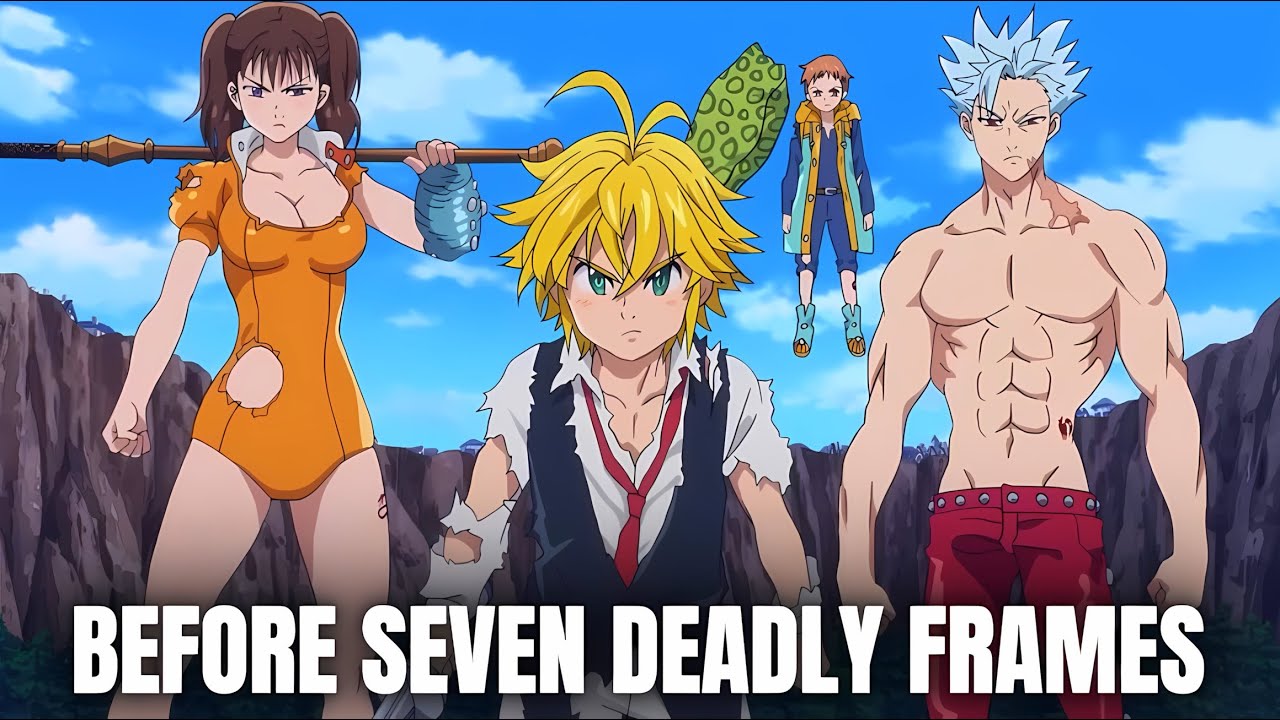
In The Seven Deadly Sins, the early game is designed to teach you the fundamental interplay between strategic card merging and resource management. Many players falter by spreading their upgrade materials too thin across a wide, unoptimized roster. To succeed, you must adopt a disciplined approach: prioritize the core units featured in the Season 1 narrative to clear story bottlenecks, conserve your materials for long-term power scaling, and master the specific mechanics of turn-based card combat.
Prioritizing Core Heroes for Maximum Efficiency
The most common mistake for new players is investing equally in every unit pulled from the gacha. In The Seven Deadly Sins, your goal during the early chapters is to reach the mid-game, where high-tier farming nodes and better gear sets become available.
Focus your investment on characters like Meliodas and Elizabeth. These units are not only essential for specific story progression requirements but also possess skill kits designed to handle the diverse enemy compositions found in the introductory arcs.
- Synergy over Rarity: A lower-rarity unit that synergizes with your team’s passives is often more valuable than a high-rarity unit that forces you to change your entire playstyle.
- The "Core Four": Identify four units that offer a balance of damage, healing, and crowd control. Once this team is leveled and awakened, they will carry you through the vast majority of the early story content without requiring constant re-investment.
Mastering Strategic Card Mechanics
Combat in The Seven Deadly Sins is defined by the "Merge" mechanic. Understanding how to manipulate the board is the difference between a narrow victory and a total wipe.
- Rank Up Strategy: Always look for opportunities to merge identical cards. A 3-star skill is exponentially more powerful than three individual 1-star skills. Do not be afraid to waste a turn merging if it means setting up a devastating Rank 3 attack for the next round.
- Ultimate Move Management: Ultimate Moves (Ultimates) are your "panic buttons" and boss killers. Avoid using them on fodder enemies. Save them to break boss shields or to finish off enemies in the final wave.
- Passive Ability Awareness: Every hero has a unique passive that triggers under specific conditions—such as when a hero takes damage or when a specific card rank is played. Read your team’s passives thoroughly; they often provide the hidden stat boosts necessary to overcome bosses that appear to have higher combat power than your team.
Resource Management: Avoiding the "Gold Trap"
Resources such as Gold, Awakening Stones, and Limit Break materials are scarce early on. If you find yourself hitting a wall, check your inventory before spending gems on gacha pulls.
- Gear is King: Often, a "difficult" stage is simply a gear check. Upgrading your current gear sets to +5 (or as high as your materials allow) provides a massive stat boost that can turn an impossible fight into a breeze.
- Selective Awakening: Do not awaken every hero you own. Focus strictly on your primary team. Awakening consumes materials that are vital for mid-game progression.
- Event Participation: The game frequently runs events that offer discounted upgrade materials. Prioritize these events over pushing through the story if you find your combat power lagging behind the recommended levels.
Navigating Difficulty Spikes and Boss Fights
Difficulty spikes in The Seven Deadly Sins are intentional checkpoints. When you encounter a boss that you cannot defeat, you are likely missing a mechanic or lacking a specific utility.
- Analyze the Boss: Does the boss have a "Debuff Immunity" passive? If so, stop bringing units that rely on Poison or Stun. Look at the enemy's skill descriptions to see if they punish you for using certain card types.
- Rotate Your Support: If your team is dying too fast, replace your secondary damage dealer with a support unit that provides "Remove Debuff" or "Heal" skills. Survivability is often more important than raw damage output in story progression.
- The Power of Positioning: While the game may feel automated, positioning matters. Keep your high-defense units in slots that are more likely to be targeted or swap them to absorb hits for your "glass cannon" damage dealers.
Transitioning to Mid-Game and Beyond
Once you have cleared the initial story arcs, your focus should shift toward specialization. This is where you begin engaging with Death Matches and Demonic Beast Battles.
- Specialized Teams: You will eventually need different teams for different modes. Start building "Red," "Blue," and "Green" attribute teams to ensure you always have a type advantage in upcoming, more difficult content.
- Long-Term Investment: Keep a small reserve of materials. When a new seasonal unit drops that offers a specific utility—like a unique buff for Death Matches—you will be ready to power them up immediately without stalling your account growth.
- The Value of Outfits: Do not underestimate the stats provided by outfits. Even minor upgrades through the wardrobe can provide the marginal stat increase needed to survive a boss's Ultimate Move with a sliver of health remaining.
By prioritizing your core units, managing your cards for maximum rank, and carefully allocating your resources, you build a sustainable foundation. The Seven Deadly Sins is a marathon, not a sprint. Success lies in your ability to adapt your team to the specific challenges of each chapter, rather than relying on brute force. Stay focused on your account's long-term utility, keep your gear upgraded, and always read the boss mechanics before engaging in battle.

Free The Seven Deadly Sins Codes
Current active codes and how to redeem them.

Michael Smith
Michael covers live-service games, events, reward systems, and efficient daily routines, turning frequent updates into clear actions for players.
COMMUNITY
Player Comments
131 players commented on this guide.
This guide answered the exact question I had.
The tips are practical and easy to follow.
Good guide for The Seven Deadly Sins players. The early game part was useful.
I tried this today and it worked better than my old setup.