
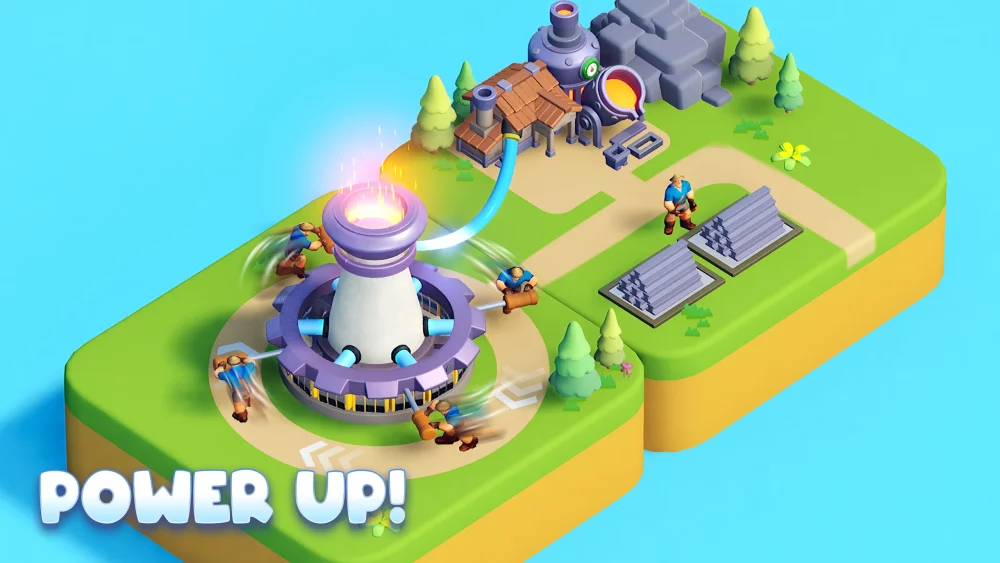
Tiles Survive!! has captured the attention of mobile gamers, often sparking curiosity due to its high-intensity advertising. However, for many new players, the transition from the game’s promotional materials to the actual interactive experience can be jarring. If you are looking to master the game, it is essential to pivot your focus from the "survival simulation" promised in ads to the high-tempo, rhythm-based tile-clearing mechanics that define the actual software.
This guide provides an authoritative breakdown of how to succeed in Tiles Survive!!, how to optimize your play sessions, and how to understand the underlying architecture of the game to ensure you get the most out of your time.
The Core Loop: Deciphering the Mechanics
At its heart, Tiles Survive!! is a game of pattern recognition and rhythmic input. While the game uses survival-themed imagery, the mechanics are firmly rooted in grid-based puzzle solving. Your primary objective is to clear specific tiles in a sequence that allows for continued progression.
Understanding Input Synchronization
Unlike traditional management games where resources are gathered through passive building, success in Tiles Survive!! requires active, manual synchronization.
- Input Timing: The game often rewards players who clear tiles in a steady cadence. Erratic tapping can lead to missed opportunities for "combo" clearing, which is the primary way to clear screens quickly.
- Pattern Recognition: As you progress, the grid layouts become more complex. Rather than looking for "survival resources," look for the repeating color or icon patterns. Identifying these patterns early allows you to anticipate the next "survival" move, effectively turning the game into a test of visual processing speed.
Strategies for High-Tempo Tile Clearing
To master Tiles Survive!!, you must shift your mindset from "management" to "flow." The most successful players treat the grid as a rhythm board.
1. The "Scanner" Technique
Don't focus on a single tile. Instead, practice scanning the grid in horizontal lines or quadrants. By maintaining a global view of the board, you can spot the next three to four moves before they become critical. This reduces the "dead time" between actions—the primary cause of failure in higher levels.
2. Prioritizing Cluster Breaks
When presented with multiple paths to clear tiles, always prioritize the cluster that opens up the most adjacent tiles. This creates a chain reaction effect, clearing more of the board with a single input. This is the closest the game gets to "resource management"—managing your available moves by maximizing the impact of every touch.
Managing Expectations: Ad-Driven Reality vs. Gameplay
A common point of frustration for new players is the gap between the game’s marketing and its actual performance. Many ads suggest a deep, base-building survival game. In reality, Tiles Survive!! is a casual, arcade-style experience.
Why the "Simulation" Elements Are Abstracted
In Tiles Survive!!, the concept of "survival" is effectively a progress bar. Each tile cleared represents a small victory against the game's timer. By understanding that the game is a linear, level-based puzzle experience, you can stop searching for hidden base-building menus or complex resource crafting systems that simply do not exist.
Why This Matters for Your Strategy
When you accept that the game is a high-tempo time-killer, your strategy changes. You stop trying to "solve" the survival aspect and start focusing on "optimizing" your clear speeds. This shift in perspective transforms the game from a disappointing simulation into a satisfying, low-cognitive-load experience that is perfect for short-duration play sessions.
Structuring Your Play Sessions
Because Tiles Survive!! relies on repetitive, high-frequency interactions, it is prone to causing "session fatigue." Here is how to keep your performance high:
- The 15-Minute Rule: Limit your sessions to 15-minute bursts. Because the game relies on sustained rhythm, mental fatigue can lead to simple input errors that reset your momentum.
- Goal-Setting: Instead of playing until you lose, set a goal of clearing a specific number of levels. Completing a set goal provides a sense of accomplishment that the game’s narrative loop may not offer on its own.
- Environmental Awareness: Play in environments where you can focus on the rhythmic audio cues. Tiles Survive!! is designed to be played with sound; the rhythmic "taps" often provide a sub-audible beat that helps you stay in sync with the tiles.
Identifying and Avoiding Common Mistakes
Even in a simple game, players often fall into traps that hinder progress.
- Over-Thinking: Because the game is marketed as a survival title, players often pause to "plan" their next move. In Tiles Survive!!, hesitation is your enemy. The game is designed for reactive play, not long-term strategic deliberation.
- Ignoring the Combo Multiplier: Many players clear tiles individually. Always look for ways to chain your interactions. The bonus points or clear-speed multipliers are essential for bypassing the game's steeper difficulty curves.
- Expecting Evolution: One of the most important things to realize is that the game's core loop does not fundamentally change. If you aren't enjoying the core tile-clearing loop within the first ten levels, it is unlikely that the game will add new mechanics later that will change your mind.
Final Verdict: Is Tiles Survive!! For You?
Tiles Survive!! is an excellent choice for players seeking a high-tempo, meditative, and visually stimulating puzzle experience. It excels as a "secondary game"—something to play during transit or short breaks.
However, if you are looking for a deep, emergent survival simulation with resource scarcity, base defense, and long-term narrative choices, you will likely find Tiles Survive!! to be a hollow experience. By approaching the game as a rhythm-based puzzle title, you can bypass the marketing noise and enjoy the game for its actual strengths: simplicity, speed, and satisfying, repetitive gameplay.
Summary Checklist for Success:
- Focus on Rhythm: Keep your inputs consistent and steady.
- Scan the Board: Use a quadrant-based scanning method to find patterns.
- Prioritize Chains: Don't just clear one tile; look for the cluster that triggers a chain reaction.
- Manage Sessions: Play in short bursts to maintain high accuracy and focus.
- Adjust Expectations: View the "survival" theme as a stylistic choice rather than a mechanical promise.

Free Tiles Survive! Codes
Current active codes and how to redeem them.

James Brown
James focuses on Android gaming on PC, emulator setup, controls, performance tuning, and practical troubleshooting for longer play sessions.
COMMUNITY
Player Comments
40 players commented on this guide.
I wish I had read this before upgrading the wrong thing.
The tips are practical and easy to follow.
I tried this today and it worked better than my old setup.
The explanation is clear, especially for beginners.