
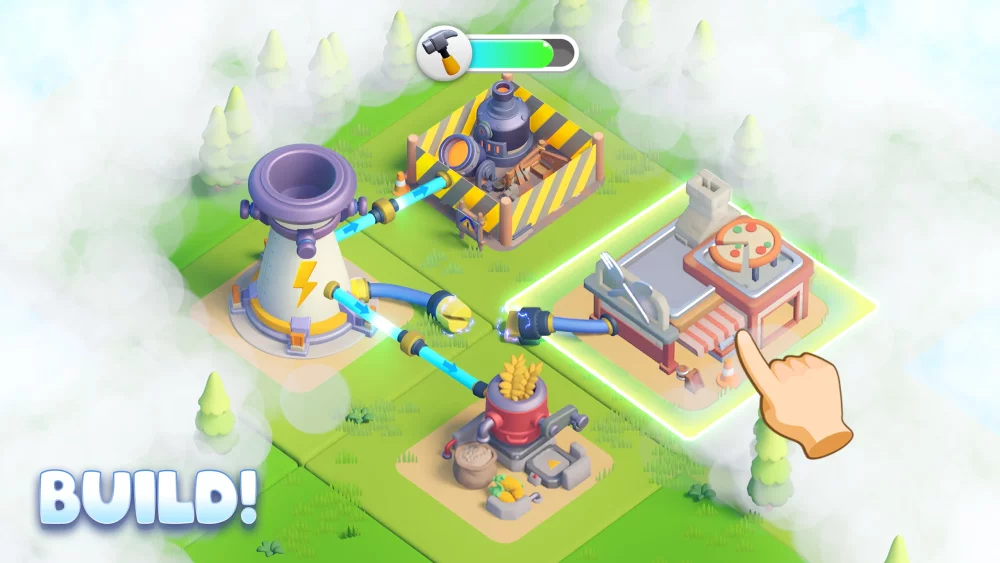
To succeed in Tiles Survive!!, you must transition from a reactive playstyle to a proactive, efficiency-driven strategy. The game rewards players who treat their base as a high-tempo engine where every action—from resource gathering to research—is synchronized to minimize downtime. Whether you are starting on a fresh server or looking to optimize an existing base, your goal is to maximize your "Action-Per-Minute" (APM) and resource throughput.
Join an Active Alliance Immediately
In Tiles Survive!!, your alliance is the single most significant factor in your survival and growth rate. Do not view this as a social choice; treat it as a strategic necessity.
- Alliance Tech Bonuses: Active alliances invest in research that provides flat bonuses to gathering speed, construction time, and combat prowess. These bonuses are cumulative and essential for keeping pace with top-tier players.
- The Help System: Every time you start a construction project or research, your alliance members can tap a "Help" button to shave minutes off the timer. In a high-activity alliance, your building times will be drastically reduced, allowing you to cycle through upgrades faster than solo players.
- Alliance Gifts: As members make purchases or complete major milestones, "Alliance Gifts" are distributed to everyone. This is a vital source of premium currency and rare materials that you cannot earn elsewhere.
- Territorial Protection: By situating your base within alliance-controlled territory, you gain a layer of security. Aggressive players are far less likely to raid a base that is nested among a cluster of powerful allies.
Master the Daily Task Engine
Consistency is the currency of Tiles Survive!!. The daily task system is designed to provide you with a roadmap for optimal growth. If you are not finishing your daily checklist, you are leaving free resources, speed-ups, and hero shards on the table.
Treat these tasks as your primary daily objective. They provide a predictable flow of materials that allow you to plan your building upgrades in advance. Furthermore, ensure you are burning your stamina continuously. An idle stamina bar is wasted potential. Use your stamina to farm tiles or engage in PvE encounters to ensure your heroes remain leveled and your resource coffers stay full.
Hero Development: Utility Over Raw Power
A common mistake for new players is dumping resources into heroes that only provide combat bonuses. In the early and mid-game, your priority should be efficiency heroes.
Focus your shards and experience manuals on heroes who possess passive traits like:
- Increased Gathering Speed: Essential for keeping your resource income high without needing to be online 24/7.
- Construction Speed Buffs: These heroes can significantly reduce the cost and time required for your Headquarters and production buildings.
- Resource Capacity Boosts: These allow your troops to carry more per trip, reducing the number of times you need to send them out and lowering the risk of being intercepted.
Only after you have a stable foundation of "utility" heroes should you pivot your resources toward dedicated PvP or boss-fighting combat units.
Advanced Resource Management: Avoiding the "Loot Pinata"
One of the most dangerous traps in Tiles Survive!! is having too many liquid resources sitting unprotected in your base. If your storage exceeds your warehouse capacity, those resources are "exposed" and vulnerable to raids from other players.
- The Inventory Bank: Keep your resource rewards in your item inventory for as long as possible. Items inside your inventory cannot be stolen. Only "open" these packs when you are actively ready to start a construction project or research node that requires that specific amount of resources.
- Sync Research with Production: Never let your laboratory go idle. If your resource production is skewed (e.g., you have too much food but not enough steel), shift your research focus to increase steel production efficiency. Always align your tech tree with your current resource bottlenecks.
Mastering Rhythm and Synchronization
Tiles Survive!! incorporates rhythm-based mechanics into its core gameplay loops. This isn't just for flair; it is a mechanical test of your ability to manage high-tempo inputs.
- Synchronization Timing: When performing base-clearing or tile-capture challenges, focus on the visual cues. Missing a synchronization window often results in a loss of efficiency or increased stamina cost.
- Queue Management: Always have a "back-to-back" construction queue. If your building finishes at 3:00 AM, aim to set your next project before you log off for the night. Use your speed-ups strategically—never use them to finish a building that only has 10 minutes left; save them for long, multi-hour upgrades to maximize their value.
Strategic Mistakes to Avoid
- Over-extending the Base: Do not upgrade every building simultaneously. Focus on your Headquarters, followed by your research laboratory and resource production nodes. A high-level base with low-level research will quickly become stagnant.
- Ignoring the World Map: Your base is not an island. Pay attention to the resource tiles around you. If your alliance has claimed a high-level resource zone, relocate your base closer to that area to reduce the travel time for your gathering troops.
- Hoarding Speed-ups: While it is wise to keep resources in your inventory, speed-ups are meant to be used. Use them to finish upgrades just before you log off, ensuring you always have a new project running while you are offline.
By implementing these strategies, you move beyond the "beginner" phase and into a competitive role within your server. Remember that Tiles Survive!! is a game of incremental gains; by focusing on alliance synergy, utility-focused hero development, and smart resource storage, you will outpace the competition through sheer efficiency and tactical foresight.

Free Tiles Survive! Codes
Current active codes and how to redeem them.

Sarah Williams
Sarah specializes in RPG and collection games, explaining team building, character growth, and beginner-friendly ways to avoid expensive early mistakes.
COMMUNITY
Player Comments
68 players commented on this guide.
I wish I had read this before upgrading the wrong thing.
The explanation is clear, especially for beginners.
The tips are practical and easy to follow.
Nice guide. I am checking the other Tiles Survive! articles next.