
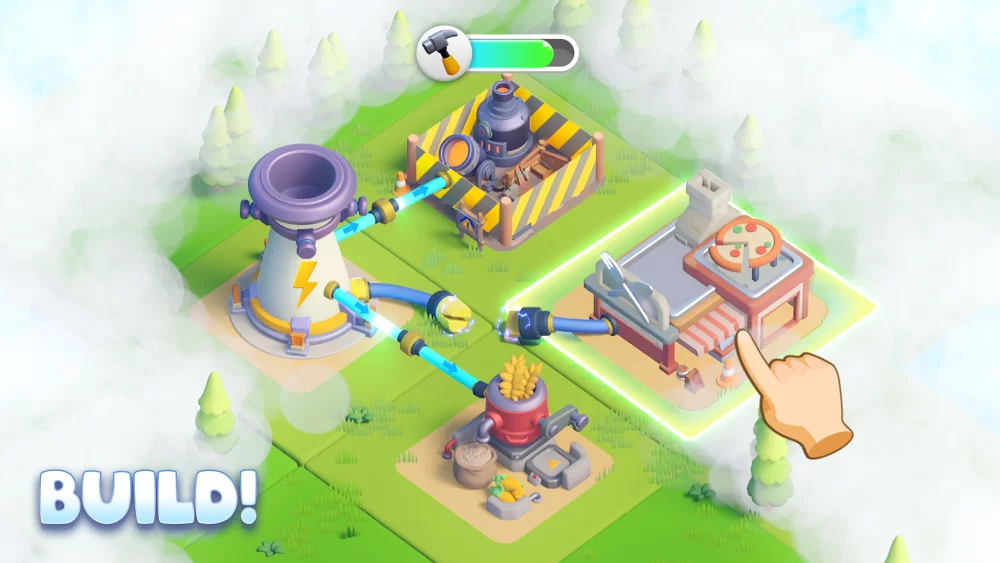
Successfully navigating the grid in Tiles Survive!! requires more than just luck; it demands precise movement and a deep understanding of how to maneuver around static and dynamic obstacles. Players often find themselves trapped by poor positioning, leading to unnecessary stage restarts. This guide focuses on the mechanical movement patterns and environmental awareness needed to master mid-to-late stage navigation.
Essential Movement Principles
Movement in Tiles Survive!! is governed by the grid layout and the specific pathing of your character. To maximize efficiency, prioritize these three movement pillars:
- Anticipatory Pathing: Do not move toward where an obstacle is; move toward where the empty space will be after the current turn cycles.
- Corner Camping: Use the edges of the map to bait obstacles into predictable patterns, leaving the center of the grid open for your primary objectives.
- Grid Buffer Zones: Always maintain at least one empty tile between your character and the nearest hazard to allow for emergency maneuvering if a trap triggers unexpectedly.
Hazard Avoidance Table
| Obstacle Type | Strategy | Priority |
|---|---|---|
| Static Barriers | Use for cover to block enemy projectiles. | Low |
| Moving Hazards | Track movement cycles before committing to a path. | High |
| Trigger Traps | Avoid standing on marked tiles during active phases. | Critical |
| Area Deniers | Bait these into corners to clear the map center. | Medium |
Advanced Tactical Tips
To push through the more punishing stages, you must adopt a proactive rather than reactive stance:
- Map Analysis: Before taking your first step, scan the entire board for potential "choke points." If a path leads into a corner with no exit, prioritize clearing adjacent tiles first to create an escape route.
- Rhythm Tracking: Many obstacles in Tiles Survive!! operate on a rhythmic cycle. By spending a turn waiting or moving in a small circle, you can sync your movement to the hazard's "off" phase, allowing for safer passage.
- Risk vs. Reward: If a resource node is located behind a high-density hazard area, assess whether the potential gain outweighs the risk of losing the run. In later stages, maintaining your health/stamina is often more valuable than picking up minor loot items early.
Maintaining Consistent Momentum
One of the most common mistakes is stopping movement entirely. While caution is necessary, freezing in place for too long often allows hazards to surround you. If you find yourself pinned, look for the "weakest link" in the obstacle pattern—usually the most recently triggered trap or the slowest moving unit—and focus your movement to exploit that specific gap.
By prioritizing board awareness and grid-based pathfinding over impulsive movement, you will find it significantly easier to navigate the complex stage layouts of Tiles Survive!!.

Free Tiles Survive! Codes
Current active codes and how to redeem them.

Michael Smith
Michael covers live-service games, events, reward systems, and efficient daily routines, turning frequent updates into clear actions for players.
COMMUNITY
Player Comments
39 players commented on this guide.
Can you add more details about strategy in a future update?
This saved me time in the early game.
The explanation is clear, especially for beginners.
Good guide for Tiles Survive! players. The strategy part was useful.