
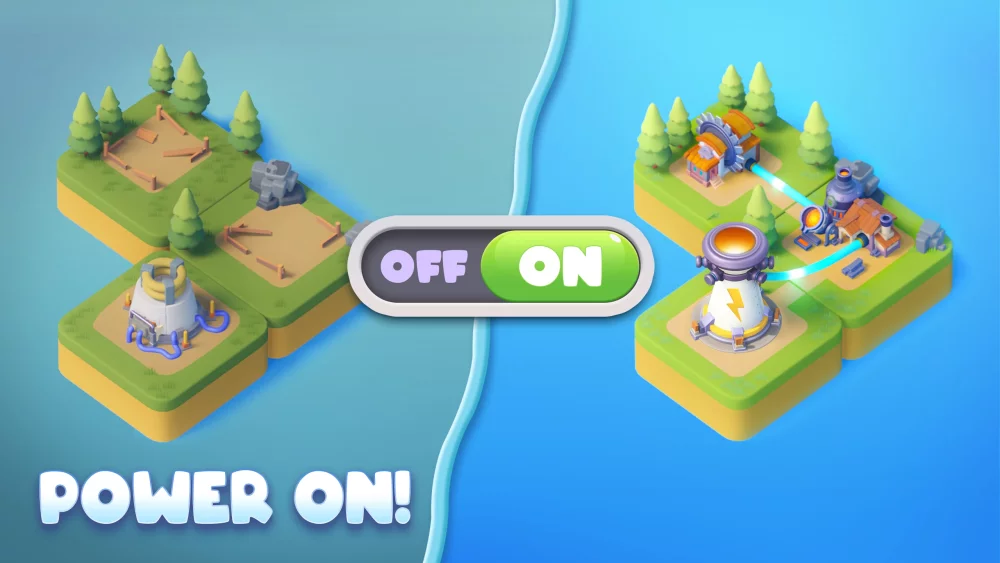
In Tiles Survive!!, the environment is just as dangerous as the grid itself. While many players focus on resource collection and base expansion, the sudden arrival of hostile wildlife—such as the formidable Giant Bear—can quickly derail your progress. If your camp is unprepared, a single breach can result in significant structural damage and resource loss.
This guide focuses on fortifying your borders and managing high-threat encounters to ensure your survival when the wilderness strikes back.
Understanding Wildlife Aggression Patterns
Wildlife encounters in Tiles Survive!! are often triggered by your expansion speed and the noise generated by your resource-gathering activities. Unlike standard environmental hazards, large predators require a shift in tactical priority:
- Proximity Alerts: Always monitor the edges of your explored tiles. Wildlife often spawns in uncleared areas adjacent to your active base, meaning your perimeter defense is your first line of protection.
- Aggro Range: Creatures typically follow a fixed pathing logic. Once they lock onto a target—usually your most active resource-gathering unit or a structural weak point—they will attempt to break through the nearest tile.
- The "Giant" Factor: Larger threats like bears possess higher health pools and damage output, making traditional "distraction" tactics ineffective. You must focus on containment rather than just fleeing.
Defensive Perimeter Best Practices
To minimize the impact of wildlife incursions, your base design must prioritize structural durability at the fringes.
| Defensive Layer | Primary Function | Tactical Priority |
|---|---|---|
| Outer Buffer Tiles | Slows enemy movement | Low (sacrificial) |
| Hardened Barriers | Absorbs initial damage | High (essential) |
| Fallback Paths | Allows for quick repositioning | Medium (mobility) |
| Trap Placement | Softens incoming targets | High (damage mitigation) |
Survival Tips for Bear Encounters
When faced with a high-threat entity, panic is your greatest enemy. Follow these steps to mitigate damage:
- Prioritize Structural Integrity: If a bear attacks your walls, your immediate goal is to reinforce the damaged segment before the structure collapses. Moving workers away from the impact zone is vital to prevent unit loss.
- Strategic Luring: If you have the mobility, attempt to lure the predator into areas of your base that are already fortified or currently empty. This protects your critical production infrastructure.
- Resource Preservation: Do not attempt to engage the bear with gathering units. If a bear is near your primary resource nodes, pause production immediately. It is better to lose a few minutes of gathering time than to lose an entire squad of workers.
- Repair Cycles: Keep a reserve of basic building materials on hand at all times. Being caught without the necessary resources to repair a damaged outer wall during an attack is a common failure point for players.
Base Layout Adjustments
If you find yourself frequently targeted by wildlife, your current layout may be too spread out. Consolidate your most critical buildings toward the center of your explored grid. By creating a "donut" effect—where your most vital resources are protected by a layer of less-essential structures—you create a buffer that allows you to react to threats before they reach your core operations.
Always maintain at least one clear path of retreat from your outermost tiles to your central hub, ensuring that your units can escape should a defensive line fail.

Free Tiles Survive! Codes
Current active codes and how to redeem them.

Emily Johnson
Emily writes practical mobile strategy guides with a focus on resource planning, base progression, and the early decisions that shape a long-term account.
COMMUNITY
Player Comments
112 players commented on this guide.
Can you add more details about base building in a future update?
The tips are practical and easy to follow.
This helped me understand base building much better.
The explanation is clear, especially for beginners.