
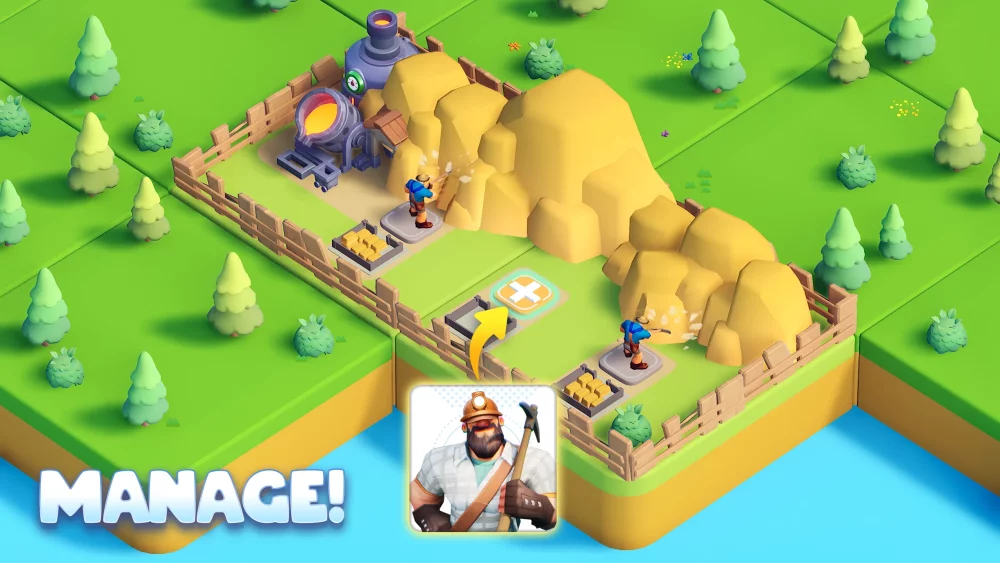
To secure top rankings in the competitive Oil War events within Tiles Survive!!, you must shift your focus from passive base management to aggressive, high-tempo resource acquisition. Success in this mode relies on maximizing your active time during specific event windows and understanding the mechanics of point accumulation. By prioritizing strategic troop deployments and efficient timing, you can outpace competitors and claim the highest rewards, even when facing established alliances or players with higher overall power levels.
Mastering Oil Event Timing
The most critical factor for success in the Oil War is aligning your activity with the game’s event timers. Rather than attempting to farm oil continuously throughout the day, focus your efforts on peak windows when point multipliers are active. During these periods, the return on investment for your stamina and troop capacity is significantly higher, allowing you to bridge the gap between your current standing and the top-tier rankings.
When the Oil War begins, immediately identify high-density nodes on the map. Actively clearing these nodes during the first hour of the event is essential, as the competition for them intensifies as the day progresses. If you wait until the end of the event, you will likely find that the most lucrative resource spots are already occupied by high-level players, forcing you to settle for lower-yield tiles that impede your progression.
Strategic Troop Deployment and Efficiency
Efficient troop deployment is the backbone of a successful campaign. To maximize your output, avoid sending your entire army to a single node unless it is an exceptionally high-value target. Instead, utilize a "spread" strategy by splitting your forces to capture multiple smaller nodes simultaneously. This ensures that you are constantly generating points even if one of your squads is intercepted or forced to return to base due to capacity limits.
Monitor your troop capacity and return timers closely. A common mistake is leaving your commanders idle while waiting for troops to return. Use your speed-up items sparingly, saving them for the final minutes of an event to push your score over the threshold required for the next rank tier. Always keep your commanders at maximum efficiency by ensuring they are never sitting in the base when there is an active, unharvested node available on the map.
Navigating Alliance Rivalries and Map Control
In Tiles Survive!!, the Oil War is rarely a solo endeavor. Even if you are playing as an individual, you must be aware of the surrounding alliance territories. Avoid encroaching on the primary farming zones of top-ranked alliances, as this often invites retaliation that can set your progress back by hours. Instead, scout the outskirts of the map where smaller, contested nodes offer safer, albeit slower, point accumulation.
If you are part of an alliance, coordinate your gathering efforts to create a "defensive perimeter" around your main resource nodes. By pooling your forces, you can deter opportunistic attackers who are looking for easy targets. If you find yourself under constant attack, shift your strategy toward "guerrilla gathering"—send your troops to capture nodes for short durations, then immediately retreat them before an enemy can lock onto your position.
Managing the Trade-offs of Aggression
Aggressive participation in the Oil War comes with inherent risks, primarily the depletion of your primary troop reserves. Engaging in heavy resource warfare can leave your base vulnerable to opportunistic raids. Before committing to a high-intensity push for the top spot, ensure your base defenses are upgraded and your main combat commanders are stationed appropriately to deter scouts.
Core Tactics for Resource Retention:
- Stamina Management: Never burn all your stamina at once; keep a small reserve to handle unexpected combat encounters during gathering or to defend against encroaching forces.
- Warehouse Capacity: Always ensure that your warehouse capacity is upgraded to protect the oil you have successfully harvested during the event, minimizing potential losses from raids.
- Tactical Retreat: If you see a significantly more powerful player moving toward your gathering node, it is often better to retreat and find a new location rather than lose your troops in a futile defense.
Advanced Decision-Making: Consistency vs. High-Risk Plays
Consistency in your harvesting rotation will almost always outperform a single, high-risk play that ends in a total loss of your gathering force. The goal of the Oil War is not necessarily to win every single skirmish, but to accumulate the most points by the time the event timer expires.
When deciding between a high-risk play and a safe harvest, calculate the "Time-to-Harvest" versus the "Time-to-Respawn." If you lose a full squad, the time taken to train new units often outweighs the points gained from a single high-tier tile. Focus on maintaining a "100% Uptime" policy for your gathering commanders. If a node is contested, move to the next. In Tiles Survive!!, the player who never stops gathering is almost always the player who finishes at the top of the leaderboard.
Final Summary of Best Practices
To truly master the Oil War, remember these three pillars:
- Pace Your Speed-ups: Use them only to secure a rank tier reward in the final 15 minutes.
- Prioritize Logistics: Keep your commanders moving. Every second a commander is in the base is a second you are losing potential points.
- Analyze the Map: Use the first hour of the event to gauge the behavior of nearby players. If a neighboring player is aggressive, rotate your gathering to the opposite side of your base immediately.
By balancing the need for aggressive expansion with cautious resource management, you can maintain a consistent score throughout the event. With these strategies, you are well-positioned to dominate the Tiles Survive!! Oil War rankings.

Free Tiles Survive! Codes
Current active codes and how to redeem them.

Emily Johnson
Emily writes practical mobile strategy guides with a focus on resource planning, base progression, and the early decisions that shape a long-term account.
COMMUNITY
Player Comments
87 players commented on this guide.
I tried this today and it worked better than my old setup.
This saved me time in the early game.
This helped me understand resources much better.
The explanation is clear, especially for beginners.