
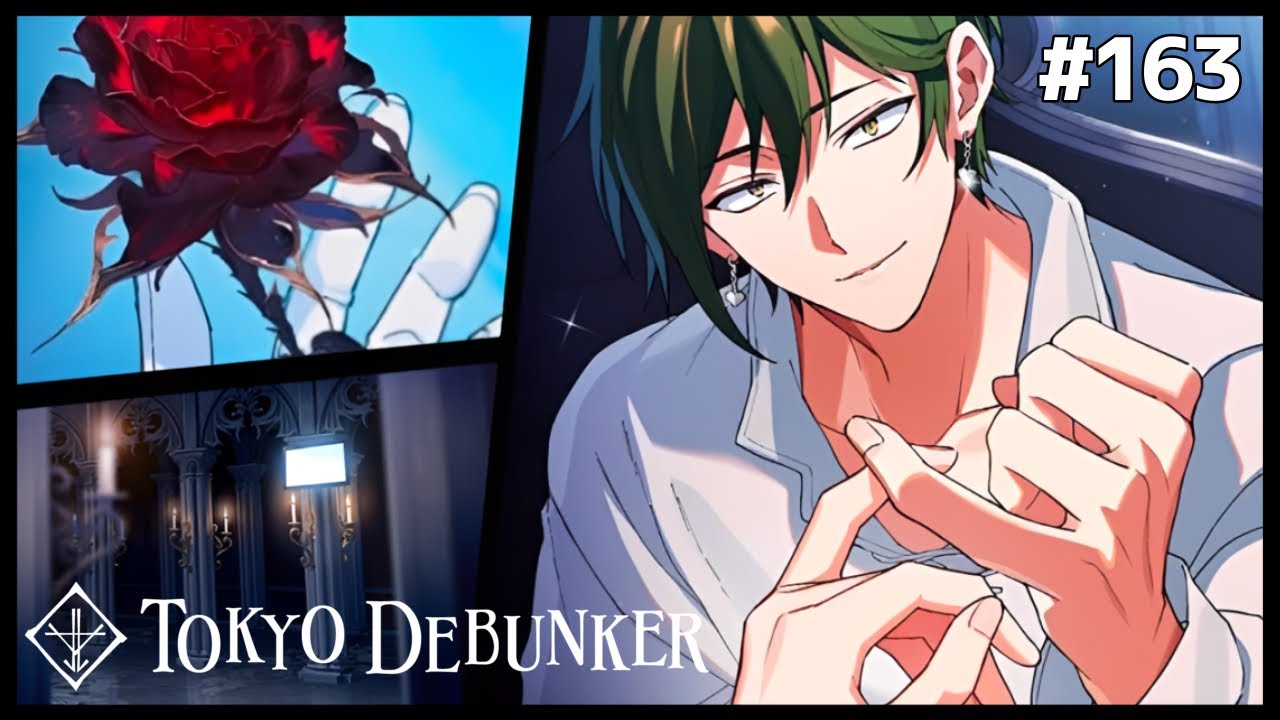
To clear Haku Kusanagi's curse encounters in Tokyo Debunker, select calm discernment during dialogue confrontations and refuse his unsolicited ritual charms. In Hotarubi's storyline, Haku presents malevolent curses (noroi) disguised as benevolent folk charms (omajinai). Advancing cleanly through Darkwick Academy requires maintaining emotional boundaries, cooperating with house leadership, and avoiding manipulative affection traps that force narrative resets.
Dialogue Decisions in Haku's Encounters
During key story confrontations, dialogue prompts divide into three behavioral stances: naive acceptance, outright hostility, or calm skepticism. Choosing uncritical affection triggers Haku's curse entrapment, while excessive hostility causes him to withhold essential case information.
| Dialogue Choice | Haku's Reaction | Progression Outcome | Recommended Action |
|---|---|---|---|
| Uncritical Affection | Exploits vulnerability; deepens curse binding | Triggers narrative trap and scene restart | Avoid entirely during ritual scenes |
| Hostile Rejection | Shuts down communication; withholds clues | Delays case investigation and misses lore | Use only if immediate physical danger occurs |
| Calm Discernment | Acknowledges player insight; reveals motives | Bypasses curse and secures story progress | Prioritize across all Hotarubi prompts |
When Haku feigns vulnerability, questions your empathy, or laments his isolation, respond with measured composure. Acknowledging his perspective without accepting his binding terms forces him to respect your boundaries, preventing narrative loops and affinity penalties.
Inspecting Talismans and Ritual Gifts
Haku regularly offers the protagonist folded paper talismans, woven cords, and decorative bottles framed as protective keepsakes. Accepting these unchecked binds your character to his curse network. Follow this sequence whenever Haku presents an object:
- Inspect Inscriptions: Examine the surface writing to determine whether it features standard warding calligraphy or obscure curse script. Any charm linked to binding spells carries an active trap.
- Consult House Records: Cross-reference unknown relics with academy archives or Captain Subaru Kagami before equipping or storing them.
- Decline Unsolicited Trinkets: When prompted to accept a good-luck token, politely decline or demand that Haku state the exact spiritual cost first.
- Track Environmental Cues: Watch for screen vignetting, audio dissonance, or sudden music shifts, which signal that an offered item is actively exerting spiritual influence.
Hotarubi House Coordination
Haku often attempts to isolate the protagonist from the rest of Hotarubi House to make his counsel your sole source of guidance. Counter this isolation by maintaining open communication with the squad:
- Support Subaru Kagami: Subaru represents orthodox purification and house order. When he investigates anomalous spiritual residue in Hotarubi quarters, provide direct, factual statements rather than shielding Haku's unauthorized rituals.
- Read Squad Reactions: Use Zenji's overt reactions and Towa's hesitation as contextual warnings that Haku is orchestrating another misdirection.
Checkpoint Recovery After Narrative Resets
If a dialogue error triggers a curse trap, the game displays visual distortion and resets the sequence to the prior auto-checkpoint.
To recover efficiently:
- Identify whether the restart stemmed from emotional credulity, unwarranted hostility, or accepting a gifted item.
- Replay the sequence using the calm discernment option.
- Refuse any offered talismans.
Clearing the sequence cleanly transitions Haku into a functioning ally, secures episode completion rewards and player rank experience, and unlocks subsequent Hotarubi chapter investigations.

Free Tokyo Debunker Codes
Current active codes and how to redeem them.

Michael Smith
Michael covers live-service games, events, reward systems, and efficient daily routines, turning frequent updates into clear actions for players.
COMMUNITY
Player Comments
103 players commented on this guide.
Nice guide. I am checking the other Tokyo Debunker articles next.
Can you add more details about strategy in a future update?
Good guide for Tokyo Debunker players. The strategy part was useful.
I tried this today and it worked better than my old setup.