
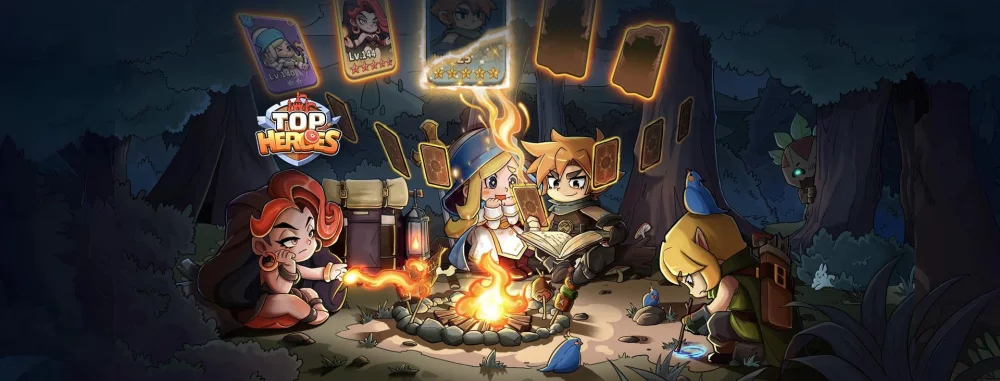
Building a cohesive team in Top Heroes requires more than just picking high-stat units; it requires understanding faction synergies. The Horde faction offers a distinct playstyle that excels when you capitalize on specific hero traits and damage distribution. This guide breaks down how to construct a competitive Horde-focused lineup and the tactical considerations for maximizing their effectiveness on the battlefield.
Why Focus on a Horde-Centric Lineup?
The Horde faction in Top Heroes is designed around high-impact engagement and specific combat utility. By focusing your development on these heroes, you benefit from:
- Synergistic Buffs: Many Horde heroes share passive abilities that trigger when multiple faction members are present, increasing overall team resilience and damage output.
- Role Consolidation: The Horde roster provides a balanced mix of front-line durability and back-line burst damage, allowing you to create a "self-sufficient" squad that doesn't rely heavily on external support.
- Resource Efficiency: Investing in a single faction allows you to focus your limited upgrade materials, such as shards and gear, on a core group of heroes rather than spreading your progress too thin across multiple factions.
Recommended Horde Lineup Composition
To maximize the potential of a Horde-based squad, you should aim for a balanced distribution of roles. While specific hero availability may vary based on your recruitment luck, the following structure is recommended for competitive play:
| Position | Role | Priority |
|---|---|---|
| Front Line | Tank / Defender | High (Survivability focus) |
| Mid Line | Bruiser / Debuffer | Medium (Utility/Crowd Control) |
| Back Line | Ranged DPS / Burst | High (Primary damage dealer) |
Key Tactical Considerations
- Front Line Stability: Your Horde tank is the anchor. Ensure they are equipped with gear that emphasizes HP and Defense. If your tank falls, your back-line damage dealers—who are typically squishier—will be exposed to enemy focus fire.
- Damage Burst: Horde lineups shine when they can delete high-priority targets quickly. Prioritize leveling your primary damage dealer’s exclusive weapon and active skills early to ensure they maintain relevance in higher-tier combat.
- Crowd Control Management: Look for heroes within the faction that offer stuns or movement speed reductions. These effects are crucial for preventing enemy units from reaching your back-line, effectively extending the lifespan of your team.
Best Practices for Horde Progression
- Prioritize Exclusive Weapons: For your core Horde damage dealers, the exclusive weapon is often the biggest contributor to combat power. Focus your event farming on acquiring these specific shards.
- Strategic Deployment: Don't just auto-deploy your highest-power heroes. Test your Horde lineup against different enemy team compositions. Sometimes, swapping a single hero for one with better elemental advantages or specific crowd-control utility can turn a loss into a win.
- Manage Talent Trees: Ensure your heroes' talent points are aligned with their role. A tank should focus on defensive nodes, while your primary DPS needs to prioritize crit chance and damage-per-second (DPS) stats.
- Monitor Energy Usage: Horde teams can be ability-dependent. Ensure your team composition has enough energy regeneration or cooldown reduction support to keep your primary skills firing during prolonged encounters.
By focusing on these structural optimizations, you can transform a standard Horde team into a highly efficient unit capable of holding its own in both PvE encounters and competitive arena settings. Remember that synergy often beats raw numbers—always prioritize team cohesion over individual hero power.
Free Top Heroes Codes
Current active codes and how to redeem them.

Michael Smith
Michael covers live-service games, events, reward systems, and efficient daily routines, turning frequent updates into clear actions for players.
COMMUNITY
Player Comments
25 players commented on this guide.
I tried this today and it worked better than my old setup.
The explanation is clear, especially for beginners.
Nice guide. I am checking the other Top Heroes articles next.
This saved me time in the early game.