
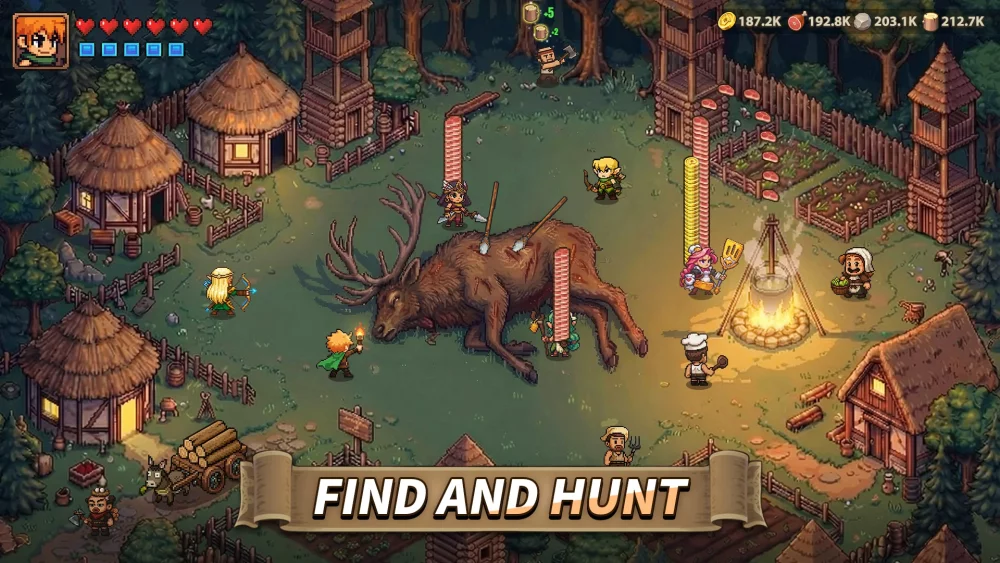
In competitive Top Heroes environments, certain combat tunings have historically stood out for their overwhelming influence on the meta. These mechanics, often defined by their peak performance periods, fundamentally altered how players approached team building and tactical positioning. By analyzing these past balance adjustments, players can better understand the evolution of the game’s power curve and anticipate how future tuning updates might impact the effectiveness of their current hero lineups and defensive configurations.
The Impact of High-Tier Combat Tunings
Combat tunings represent the baseline rules for how heroes interact during high-stakes engagements. When specific tunings become too dominant, they often force a homogenization of team compositions, where only a few "optimal" setups remain viable. Recognizing these patterns is essential for players looking to stay ahead of the curve, as the most "infuriating" or powerful tunings are usually those that remove counterplay or artificially inflate specific stat thresholds beyond intended levels.
Key Factors in Historical Meta Shifts
- Stat Ceiling Inflation: Tunings that allowed specific heroes to exceed standard defense or attack caps, making them nearly impossible to remove from the field.
- Action Economy Disruptions: Adjustments that provided excessive turn speed or bonus actions, effectively giving one side a permanent advantage regardless of initial positioning.
- Passive Trigger Overload: Mechanics that triggered secondary effects too frequently, leading to "infinite" loops of damage or healing that frustrated opponents.
Managing Your Strategy Against Shifting Tunings
To maintain a competitive edge, you must adapt your roster to account for the current state of combat tunings. Rather than relying on a single stagnant team, successful players analyze the most hated or impactful tunings to identify which of their heroes are being indirectly buffed or nerfed by the system.
| Tuning Category | Strategic Impact | Player Counter-Approach |
|---|---|---|
| Speed Buffs | Increases first-turn pressure | Prioritize gear with Tenacity/Speed stats |
| Damage Mitigation | Stalls out offensive rotations | Incorporate True Damage or Pierce specialists |
| Healing/Regen | Extends match duration | Use Anti-Heal or Burst-damage lineups |
Future-Proofing Your Hero Development
Looking at the history of these tunings, it is clear that developers frequently adjust mechanics to prevent any single faction from dominating for too long. If you find your current team struggling, it may not be due to a lack of individual hero power, but rather a misalignment with the current combat tuning environment.
Always review the latest update logs for subtle changes to skill interactions or stat scaling. By focusing on versatile heroes who can adapt to changing combat rules, you reduce the risk of your primary investment becoming obsolete during the next balancing cycle. Focus on building synergy around mechanics that are historically resilient to tuning shifts, such as multi-faction utility or reliable crowd control.
Free Top Heroes Codes
Current active codes and how to redeem them.

Emily Johnson
Emily writes practical mobile strategy guides with a focus on resource planning, base progression, and the early decisions that shape a long-term account.
COMMUNITY
Player Comments
135 players commented on this guide.
I wish I had read this before upgrading the wrong thing.
Can you add more details about heroes in a future update?
The tips are practical and easy to follow.
This helped me understand heroes much better.