
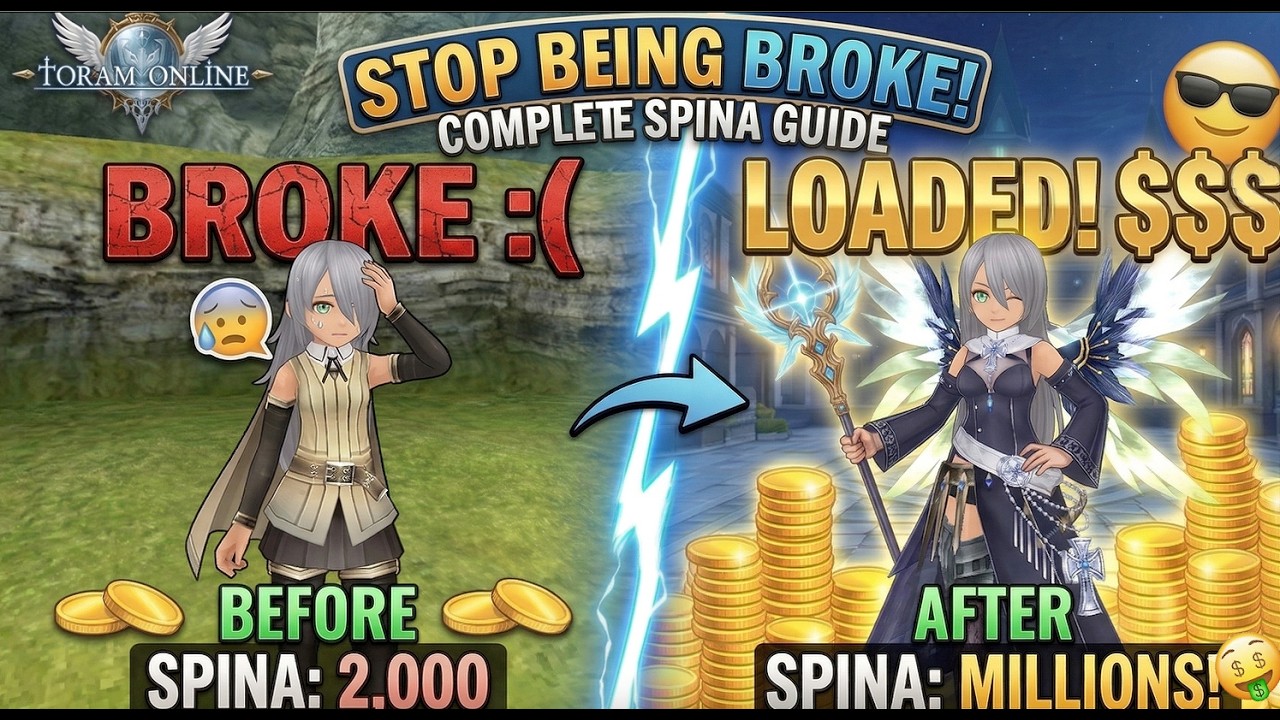
To generate early Spina in Toram Online, stop relying on general mob grinding for raw experience. Instead, farm high-demand crafting and quest materials—such as Bird Wing or Minotaur Skin—and sell them to other players on the Consignment Board. Reinvest your initial earnings directly into combat gear that expands your area-of-effect (AoE) mob-clearing speed.
Focus on High-Demand Crafting Materials
High-level players often skip manual farming for low-tier crafting items, choosing instead to purchase full stacks from the market to level up their synthesis and crafting skills or complete board quests. You can build a consistent cash flow by supplying these core items.
Before committing to a long farming session, verify current market prices on the Consignment Board:
- Check baseline demand: Focus on perennial items like Bird Wing or Minotaur Skin that serve as key inputs for popular crafting recipes.
- Monitor market supply: If the price for your primary item drops sharply due to oversupply, switch to secondary material drops from monsters in the same map zone.
- Prioritize turnover over rare hits: Standard materials drop regularly, giving you a steady supply of goods that sell faster than low-chance boss drops.
Optimize Mob Clearing Speed and Logistics
Maximizing your Spina per hour depends on how fast you clear groups of monsters and reset your farming routine.
| Efficiency Factor | Optimal Action | Progression Impact |
|---|---|---|
| Mob Spawns | Target dense clusters where AoE skills hit 3–4 enemies at once. | Increases loot drop yield per minute. |
| Travel Time | Use teleportation items and map warps to stay in the zone. | Prevents downtime spent running to town. |
| Inventory | Clear non-essential items before starting a session. | Avoids frequent trips to clear inventory space. |
If your character cannot eliminate clustered mobs in one or two hits, prioritize resetting your skill allocation or upgrading your main weapon to support efficient AoE damage.
Sell Effectively on the Consignment Board
Posting items on the Consignment Board requires managing fees and buyer habits so your capital is not tied up in unsold stock.
- Check historical price trends: Avoid setting your price to the absolute lowest listing if the market is experiencing a brief dip.
- Vary stack sizes: Split large material quantities into smaller batches. Players finishing a quick craft often prefer smaller stacks over expensive bulk listings.
- Account for taxes and listing fees: Relisting items frequently consumes small fees that erode net profits over time.
- Lower stagnant listings: If an item fails to sell within 48 hours, reduce its price slightly to free up your listing slot and return Spina to your active balance.
Evaluate Rare Drops vs. Standard Farming
Rare boss drops and cosmetic dyes can yield high lump-sum profits, but their low drop rates make them less reliable for early-game income.
Measure efficiency by total income over time: if hunting a rare drop yields 50,000 Spina over two hours, but farming basic crafting materials yields 100,000 Spina in the same timeframe, stick to standard material farming. Reserve boss farming for times when you have a high-level party or when new content updates drive up demand for specific boss items.
Reinvest Early Earnings into Gear
Spend your first few million Spina on statutory gear upgrades rather than vanity items or cosmetics. Weapons and armor that boost your offensive stats reduce the time needed to defeat monster clusters. Clearing mobs faster increases your material collection rate, allowing you to generate Spina faster in future farming sessions.

Free Toram Online Codes
Current active codes and how to redeem them.

Sarah Williams
Sarah specializes in RPG and collection games, explaining team building, character growth, and beginner-friendly ways to avoid expensive early mistakes.
COMMUNITY
Player Comments
66 players commented on this guide.
The tips are practical and easy to follow.
I wish I had read this before upgrading the wrong thing.
I tried this today and it worked better than my old setup.
This guide answered the exact question I had.