
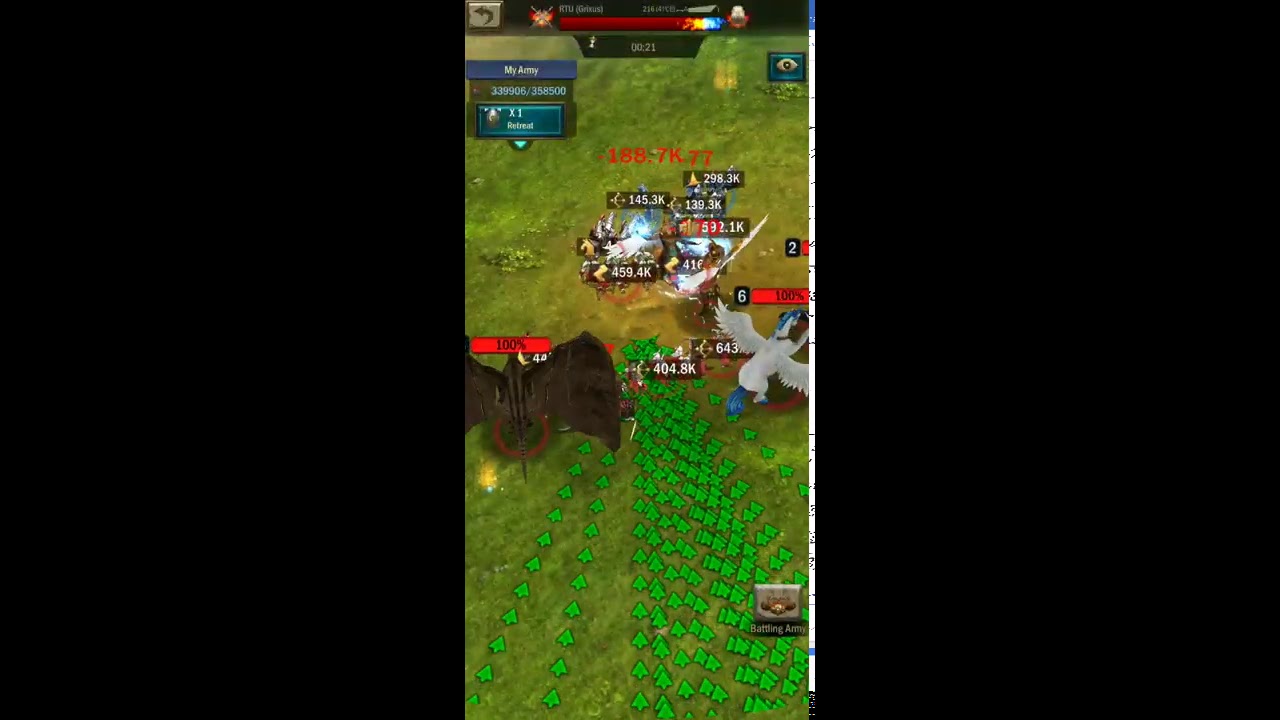
To execute an instant speed stack flash attack during War and Order's Battle Frenzy, an alliance bypasses standard rally timers by launching dozens of individual marches simultaneously and accelerating them with speed items. Landing multiple solo attacks within a two-second window overwhelms defending frontline units before the target can activate a Peace Shield, teleport away, or receive garrison reinforcements from allies.
Why Speed Stacks Replace Standard Rallies
Standard rallies notify the entire defending alliance through alert banners and horns, giving the target several minutes to swap to defensive lord talents, equip guardian gear, request garrisons, or shield. Furthermore, standard rallies are capped by the rally host's Hall of War capacity.
An instant speed stack bypasses these mechanics entirely:
- No Rally Alerts: Solo attacks do not trigger an alliance-wide rally banner across the defender's chat interface. The target receives no advance warning until march lines appear directly on their territory.
- Uncapped Troop Volume: Coordinating up to 30 individual attacks allows an alliance to hit an isolated castle with massive combined troop counts, exceeding what a single Hall of War could assemble.
- Event Tempo: Battle Frenzy features modified hospital and loss rules that encourage aggressive player engagement. Players caught unshielded outside of active rally alerts can be cleared out before they identify incoming threat lines.
Pre-Attack Positioning and Preparation
Because individual marches must hit almost simultaneously, proper positioning and preset discipline are required before launching.
- Cluster Around the Target: Participating attackers must use an Advanced Teleport to land within a few tiles of the hostile castle in a horseshoe or circle formation. Starting within close proximity reduces base march timers to 20–30 seconds, minimizing the number of speedup items needed to zero the timer.
- Configure Troop Presets: Set specific troop ratios in the drill grounds in advance. Do not use auto-fill marches, which pull unnecessary low-tier troops that slow march speeds. March presets should balance frontline Infantry to absorb Wall traps with backline damage dealers such as Mages, Archers, and Angels.
- Synchronize Launch Timestamps: Coordinate departure through voice communication or exact in-game timestamps (such as the turn of a specific minute). Every attacker pre-selects the enemy city, queues their preset, and launches at the exact second called.
Executing the Speedup Burst
Once a march leaves the city gate, players must burn speed items immediately to compress travel time from 20 seconds down to under two seconds.
- Deploy on the Mark: Tap attack confirmation precisely at the designated countdown signal.
- Select the Active March: Immediately open the active march interface or tap the departing troop line.
- Chain Speed Items: Apply a 50% March Speed item, immediately followed by 25% March Speed items until arrival time hits zero.
- Avoid Secondary March Clutter: Refrain from sending secondary utility marches or scouts during the acceleration window to keep interface lag minimal.
When executed properly across 30 players, the game engine resolves incoming armies across consecutive server ticks, denying the defender time to respond.
March Roles and Wave Composition
War and Order resolves consecutive solo hits sequentially rather than pooling them into a single battle calculation. Launching damage-heavy marches before clearing enemy defenses results in fragile backline units dying against standing wall traps and frontline defenders. Organize attacking members into staggered wave assignments:
| Wave Role | March Composition Focus | Arrival Timing | Operational Purpose |
|---|---|---|---|
| Wave 1: Vanguard Breakers | High-tier Infantry, Angels, defensive heroes | Lands first (0.5s) | Absorbs wall traps, soaks turret fire, and breaks enemy frontline Infantry. |
| Wave 2: Core Damage Stack | High Mage, Archer, and Cavalry ratios with offensive buffs | Lands second (1.0s) | Eliminates mid-row and back-row damage dealers after frontline shields drop. |
| Wave 3: Cleanup and Burn | Fast Cavalry and secondary strike units | Lands third (1.5s–2.0s) | Clears remaining garrison reserves and sets the enemy city ablaze. |
Strategic Risks and Failure Points
A speed stack requires significant coordination and consumable resources, making target selection critical.
- Consumable Drain: Using multiple 50% and 25% March Speed items across 30 alliance members rapidly depletes inventory bags. Reserve this tactic for high-value targets during Battle Frenzy rather than spending items on low-scoring castles.
- Defensive Teleporting: If an alert defender spots alliance members teleporting into close formation before the launch signal, they can instantly use a Random or Advanced Teleport to escape. If the target teleports after marches are launched and accelerated, all consumed speed items are lost while troops travel to empty coordinates.
- Hospital Capacity and Counter-Attacks: Flash attacks against heavily defended mega-castles carrying superior troop tiers can backfire. Because fights resolve sequentially, a powerful defending garrison can dismantle each arriving march one by one. Attacking players whose hospitals overflow will take permanent troop losses. Verify the target's relative strength before committing alliance resources.

Free War and Order Codes
Current active codes and how to redeem them.

Sarah Williams
Sarah specializes in RPG and collection games, explaining team building, character growth, and beginner-friendly ways to avoid expensive early mistakes.
COMMUNITY
Player Comments
125 players commented on this guide.
This saved me time in the early game.
Good guide for War and Order players. The strategy part was useful.
The tips are practical and easy to follow.
The explanation is clear, especially for beginners.