
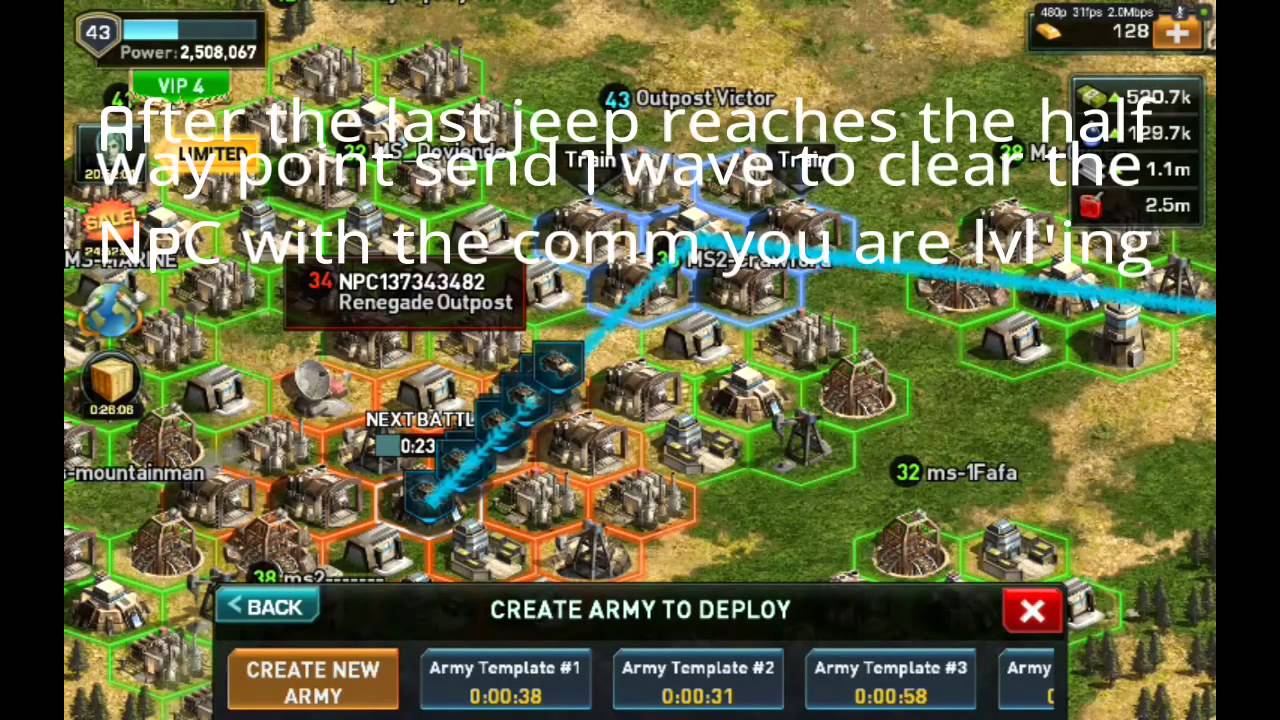
To solo train commanders in War of Nations: PvP Conflict, launch attacks against scouted Renegade map targets using an expendable frontline screen to absorb damage while your high-tier backline units eliminate the garrison. This method generates commander experience through combat resolution and sustained casualties without requiring coordinated attack trades with alliance partners.
Solo Training Versus Partner Trading
Partner trading requires two allied players to swap attacks against shared bases or outposts. While effective, it forces you to coordinate schedules across time zones and leaves stationary units vulnerable to enemy reconnaissance and surprise raids.
Solo training allows you to grind experience independently on the world map. Attacking AI-controlled Renegade targets lets you run sorties during off-peak hours, burn excess energy, and immediately recall surviving forces behind base shields. However, because no partner absorbs incoming fire, you must manage your own casualty rates and resource reserves to prevent hospital bottlenecks.
Selecting Renegade Targets
Always scout Renegade targets before sending an attack march. Reviewing defensive troop types allows you to tailor your strike force to the defender's composition. Select targets that match your commander's level and command capacity:
| Target Category | Threat Profile | Experience Yield | Tactical Approach |
|---|---|---|---|
| Low-Tier Renegade Camp | Basic ground units with minimal defenses | Modest | Deploy fast light vehicles for quick, low-cost baseline experience. |
| Mid-Tier Outpost | Balanced mix of armor and infantry | Moderate to High | Use a standard meat-shield screen with heavy strike units positioned behind it. |
| Fortified Renegade Base | Heavy defensive turrets and high-tier armor | High (High Risk) | Deploy a full mixed army only when hospital capacity can absorb substantial losses. |
Attacking camps far below your level wastes oil for negligible experience returns. Conversely, attacking fortified positions prematurely risks wiping your strike force and exceeding your hospital limits.
Structuring the Training Formation
Commander experience scales with combat resolution and the casualties sustained during an engagement. To generate experience while protecting valuable assets, structure your march in two distinct layers:
- Frontline Screen: Place low-cost, disposable units such as basic Militia or Tier 1 Light Tanks in the front row. These units absorb opening defensive volleys to generate combat score and experience.
- Backline Damage: Place high-tier offensive units directly behind your screen. These units deliver burst damage to eliminate defenders quickly, reducing total battle rounds before enemy fire breaks through your frontline.
Never deploy an army composed entirely of high-tier units on a solo training march. Replacing top-tier casualties inflates resource costs and can stall your main military operations.
Managing the Medical Center and Casualty Caps
Hospital bed capacity is the primary operational limit for solo training. Wounded troops within your Medical Center's capacity can be healed using time, oil, and ore. Any casualties exceeding your total bed limit are permanently lost and must be retrained.
Follow these operational checks to sustain back-to-back runs:
- Verify available hospital beds before launching every march to confirm all potential wounded can be admitted.
- Cycle marches around your healing queues so recovering units clear beds before the next army returns.
- Stockpile Oil and Ore prior to extended training runs to avoid halting base upgrades or research.
- Stop launching attacks if your reserve of frontline screen units falls below the threshold needed to protect backline damage dealers.
Allocating Commander Skill Points
Invest newly earned skill points into nodes that directly improve training efficiency:
- March Speed: Prioritize map velocity nodes first. Faster march speeds reduce travel time, lower the risk of interception on the world map, and maximize the number of runs completed per session.
- Combat Attributes: Allocate subsequent points into unit health, armor, and core damage types matching your primary army composition. These stats improve survivability, reducing the number of frontline casualties that enter your Medical Center on each pass.
Free War of Nations: PvP Conflict Codes
Current active codes and how to redeem them.

James Brown
James focuses on Android gaming on PC, emulator setup, controls, performance tuning, and practical troubleshooting for longer play sessions.
COMMUNITY
Player Comments
66 players commented on this guide.
This helped me understand strategy much better.
This saved me time in the early game.
Good guide for War of Nations: PvP Conflict players. The strategy part was useful.
This guide answered the exact question I had.