
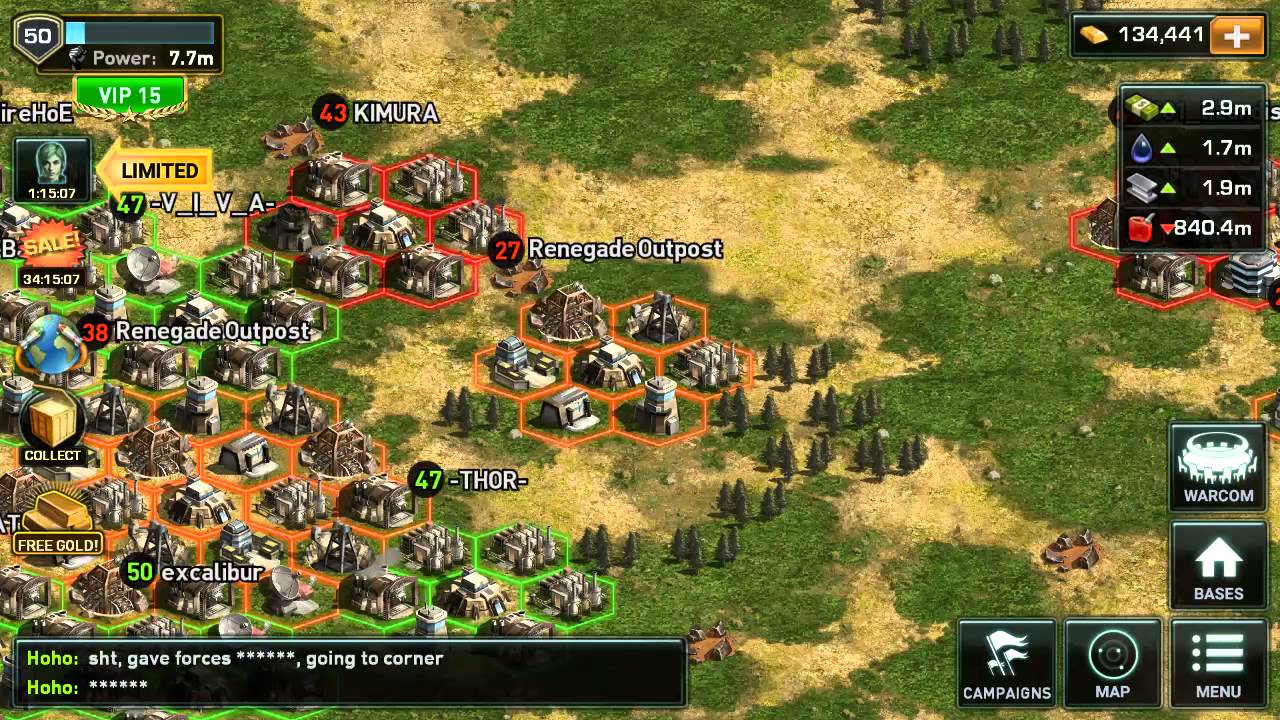
To build effective commanders in War of Nations: PvP Conflict, concentrate your fusion materials into a small roster of high-rarity officers instead of leveling every recruit. Sacrificing duplicate and low-tier cards into designated attack and defense leaders raises their leadership capacity, unlocks star perks, and boosts troop combat statistics. Maintain at least one dedicated offensive march leader and one permanent base defender to protect your resources while staging attacks across the world map.
Commander Rarities and Roster Selection
Commander recruits obtained through recruitment crates or mission rewards fall into five rarity tiers:
- Common (Grey): Low stat caps; best reserved as fusion fodder.
- Uncommon (Green): Minor stat improvements; primarily used as fusion fuel.
- Rare (Blue): Viable mid-tier officers with serviceable leadership growth.
- Epic (Purple): Strong passive skill nodes and high baseline stat scaling.
- Legendary (Gold): Highest base attributes and maximum leadership potential.
Avoid leveling Common and Uncommon officers for field combat. Because higher-tier commanders feature superior base damage multipliers and passive skill nodes, even an unfused Rare or Epic commander will outperform a moderately upgraded Common officer. Keep an active roster focused on high-rarity leaders and use lower-tier cards to fuel their growth.
How Commander Fusion Works
Commander fusion permanently consumes secondary cards to transfer their experience value into a primary officer. To fuse cards, place your primary commander in the main upgrade slot, select unwanted cards from your inventory, and confirm the sacrifice. The consumed cards are permanently deleted.
Focus on these core mechanics when planning your upgrades:
- Leadership Capacity: Advancing an officer's rank expands leadership, which determines the maximum number of troops that commander can bring into battle. Higher troop capacity allows your formations to overwhelm smaller enemy forces.
- Star Progression: Upgrading star tiers multiplies baseline offensive and defensive stats across all assigned units and unlocks higher skill thresholds.
- Duplicate Sacrifices: Feeding an identical copy of the target commander yields the largest experience bonus, advancing ranks faster than feeding unrelated cards.
- Fodder Discipline: Feed low-tier grey and green cards in bulk to push primary commanders past specific milestone thresholds rather than consuming useful secondary officers.
Offensive Strikers vs. Base Defenders
A single commander cannot effectively handle both attack marches and outpost defense. Offensive leaders require march speed and offensive combat buffs, while defensive leaders need survivability and damage reduction.
| Role | Primary Stat Focus | Ideal Unit Pairings | Tactical Deployment |
|---|---|---|---|
| Offensive Striker | Damage output, march speed, class-specific attack bonuses | Tanks, strike aircraft, assault infantry | Raiding player bases, resource tiles, and world map targets |
| Base Defender | Defense ratings, armor/hull buffs, damage mitigation | Defensive infantry, artillery, anti-armor garrisons | Stationed permanently in the base command deck |
A marching attack commander provides zero defensive bonuses to your base while away on the world map. Station a dedicated defensive commander in your garrison before sending out strike forces or logging off to prevent incoming raids from breaching your base.
Matching Commander Skills with Unit Types
Commanders carry specialized tactical bonuses that apply to specific military branches: Infantry, Armor (tanks), Aviation (aircraft), or Artillery. Deploying mixed or mismatched units weakens these percentage-based buffs.
Before training or deploying troops, check your commander's skill overview:
- If an offensive leader boosts armor firepower and vehicle survivability, fill that march formation with tanks.
- If a commander specializes in aviation or infantry, match your troop queues to those specific unit classes.
Aligning your army composition with your leader's passive skills ensures that every unit benefits from full stat multipliers in combat.
Fusion Pitfalls to Avoid
- Spreading Upgrades Thinly: Upgrading too many commanders simultaneously prevents any single officer from reaching the leadership capacity needed for competitive PvP battles.
- Sacrificing Rare Cards: Keep Rare, Epic, and Legendary officers unless you hold maxed duplicates, as they may fill specialized tactical roles later.
- Ignoring Garrison Defense: Funneling all resources into an offensive commander leaves your outpost vulnerable to plundering. Always maintain a secondary defensive leader to hold your perimeter.
Free War of Nations: PvP Conflict Codes
Current active codes and how to redeem them.

Sarah Williams
Sarah specializes in RPG and collection games, explaining team building, character growth, and beginner-friendly ways to avoid expensive early mistakes.
COMMUNITY
Player Comments
157 players commented on this guide.
This guide answered the exact question I had.
This saved me time in the early game.
The tips are practical and easy to follow.
I wish I had read this before upgrading the wrong thing.