
In Warhammer 40,000: Tacticus, understanding the lore isn’t just for flavor—it is a functional tool for interpreting the mechanical design of your units. Every character in the game is built to reflect the tactical doctrine of their faction. By recognizing these patterns, you can stop treating your roster as a list of random stats and start viewing it as a cohesive tactical force. Whether you are struggling with Act 4 difficulty spikes or optimizing your Rogue Trader roster, knowing the "why" behind a faction’s behavior allows you to predict enemy spawns, identify counter-play strategies, and build squads that thrive under pressure.
The Imperium: Mastering Attrition and Dogma
The Imperium of Man represents the bedrock of Warhammer 40,000: Tacticus. Lore-wise, the Imperium is a decaying, stagnant machine that relies on sheer scale, heavy armor, and fanatical discipline to survive in a hostile galaxy.
Mechanical Translators:
- Durability over Speed: Imperial units—particularly Space Marines and the Adeptus Mechanicus—frequently utilize high Armor values and defensive active abilities. If a character’s lore emphasizes "holding the line," expect them to be your primary front-line anchors.
- Synergy of Faith: Units like the Sisters of Battle often gain power from proximity to allies or specific battlefield conditions, reflecting their religious zeal.
- Practical Application: When tackling high-threat enemy spawns in campaign missions, prioritize Imperial units for "tanking" roles. If you are struggling with survival, look for characters whose lore emphasizes endurance; they are explicitly designed to mitigate damage and hold territory against overwhelming numbers.
The Threat of Chaos: Exploiting Corruption and Change
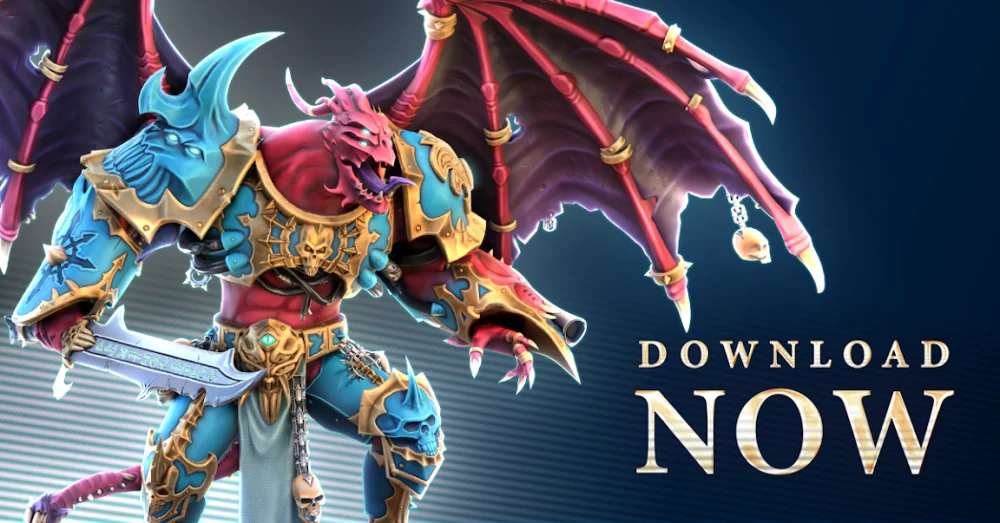
Chaos is the antithesis of the Imperium’s order. In the game, Chaos characters are designed to disrupt the board. Their abilities often ignore standard defensive rules, favoring unpredictable, high-impact maneuvers that punish players who rely too heavily on static formations.
Tactical Insights:
- Khorne (Aggression): Units dedicated to Khorne prioritize melee superiority and raw damage output. They are your primary "blenders"—use them to break through high-armor Imperial lines.
- Nurgle (Attrition/Debuffs): Nurgle units often apply poisons or environmental debuffs. Lore-wise, they represent the rot that consumes the Imperium from within. Use these units to grind down high-health bosses who rely on armor rather than evasion.
- Tzeentch (Manipulation): Tzeentch units focus on warp-based trickery. They are essential for controlling the flow of battle, moving enemies out of position, or disrupting enemy ability cooldowns.
- Strategy Tip: When facing Chaos in PvP or late-game campaign, do not group your units tightly. Their lore-based ability to spread corruption and chaos often manifests as Area-of-Effect (AoE) disruption that punishes predictable, bundled formations.
The Xenos Perspective: Alien Efficiency and Tech
Xenos factions—Necrons, Aeldari, Orks, and Tyranids—operate on entirely different tactical planes. Because they are not bound by human doctrine, their mechanical kits often feel "broken" or uniquely specialized compared to the standard Imperial/Chaos archetypes.
Identifying Xenos Strengths:
- Necrons (Resilience): Necrons are not just durable; they are self-repairing. Their lore dictates that they cannot be easily removed from the field. When building a team for long-duration missions, Necron units provide the best value because their "Reanimation" mechanics function as a natural sustain loop.
- Aeldari (Precision): These units are glass cannons. They prioritize movement and critical damage. If the lore describes a unit as "ancient" or "graceful," expect them to have low armor but high movement and evasion. Use them to pick off high-priority targets before the enemy can close the distance.
- Orks (Swarm/Reliability): Orks excel at board control through numbers. They aren't meant to be precise; they are meant to overwhelm. If you are playing an Ork-heavy roster, lean into their "Waaagh!" mechanics, which favor aggressive, high-density pushing.
Why Lore Matters for Tactical Decisions
Every character in Warhammer 40,000: Tacticus is designed as a reflection of their history. When you understand that a faction is desperate, fanatical, or cold and calculating, you can intuitively guess their tactical weaknesses. This foresight prevents wasted resources on units that do not fit your overarching strategy.
Thematic Synergy vs. Meta-Power
While "Meta" tier lists are useful, they often fail to account for the hidden mechanics of thematic squads.
- Thematic Buffs: Many characters possess abilities that trigger specifically when allies of their faction are nearby. These synergies are almost always lore-based.
- Role Prediction: If you pull a new character, read their lore entry. If they are described as a "commander" or "strategist," they likely provide passive buffs to nearby units. If they are a "berserker," they are designed for solo-diving the enemy backline.
- Counter-Play Awareness: If you know you are facing a faction driven by "Corruption" (Chaos), you can proactively bring characters with high mental resilience or purge-type abilities to negate their psychological warfare.
Integrating Lore into Long-Term Progression
As you reach the mid-to-late game, your roster will inevitably grow to include characters from disparate factions. The most successful players use lore as a framework for team building, ensuring that each member brings a unique, faction-appropriate advantage to the squad.
Checklist for Roster Optimization:
- Gap Analysis: Look at your current team. Are you missing a "tank" (Imperium)? A "disruptor" (Chaos)? A "scout" (Aeldari)? Use lore-archetypes to fill these gaps.
- Resource Allocation: Do not dump your upgrade materials into characters whose lore-based role you don't actually need. If you have a solid tank line, upgrading another high-armor Imperial unit is a waste; look for a Xenos unit that offers speed or mobility instead.
- Campaign Milestones: Act 4 challenges often require specific faction requirements. By maintaining a deep bench across the three main pillars (Imperium, Chaos, Xenos), you ensure you are never caught unprepared by faction-locked campaign restrictions.
Conclusion: Playing with Purpose
By viewing your army as a collection of factions with distinct goals, you transform your approach from simple stat-checking to nuanced tactical deployment. Whether you are leaning into the stalwart defense of the Imperium or the unpredictable power of Chaos, keeping these lore-based foundations in mind will lead to more cohesive, effective, and rewarding squad builds.
Don’t just play the numbers; play the lore. Understand the motivation of your units, anticipate the weakness of your foes, and let the history of the 41st Millennium guide your path to victory in Warhammer 40,000: Tacticus.
Free Warhammer 40,000: Tacticus ™ Codes
Current active codes and how to redeem them.

Michael Smith
Michael covers live-service games, events, reward systems, and efficient daily routines, turning frequent updates into clear actions for players.
COMMUNITY
Player Comments
74 players commented on this guide.
This guide answered the exact question I had.
The tips are practical and easy to follow.
Good guide for Warhammer 40,000: Tacticus ™ players. The heroes part was useful.
The explanation is clear, especially for beginners.