
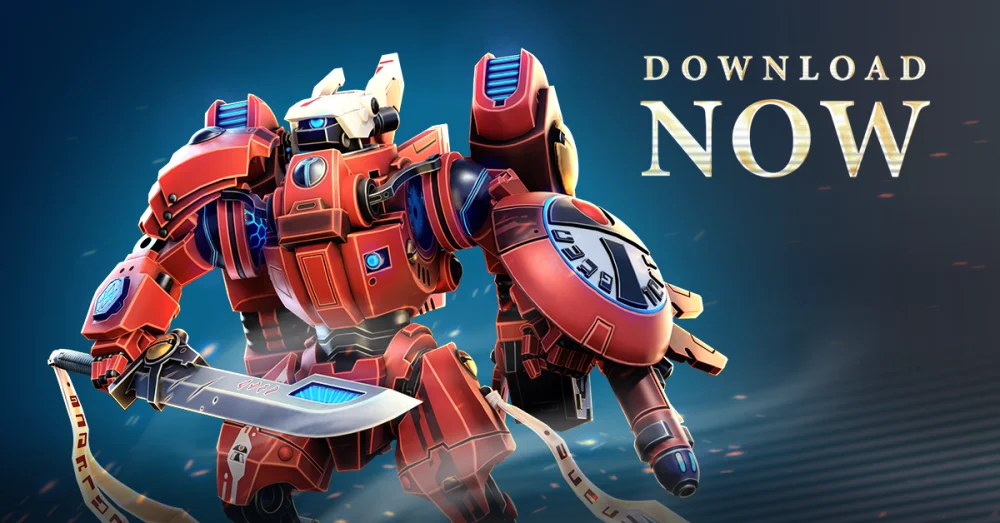
In Warhammer 40,000: Tacticus, understanding the lore behind the factions is more than just flavor; it provides essential context for why specific units behave the way they do on the battlefield. By grasping the core motivations of the Imperium, Chaos, and Xenos factions, you can better predict how your units will interact in high-stakes tactical combat. This guide explores the mechanical foundations of these factions to help you make informed decisions about your roster investments, team compositions, and strategies for navigating Act 4 milestones.
The Imperium: Duty, Resilience, and Defensive Layering
The Imperium of Man represents the primary defensive force in the galaxy, defined by an unwavering dedication to survival. In Warhammer 40,000: Tacticus, this lore manifests as high-durability playstyles and synergistic defensive abilities. Characters like the Ultramarines or Adepta Sororitas are grounded in the history of the Emperor’s crusade, which emphasizes holding ground and executing disciplined maneuvers.
Tactical Application:
- Hold the Line: When building an Imperial-heavy squad, prioritize units that benefit from defensive buffs. Their abilities often focus on "protecting the weak" or "bolstering the front," making them ideal for missions where survival is the primary victory condition.
- Synergy: Imperial units often gain bonuses when adjacent to other Imperial characters. Positioning them in tight, fortified clusters forces the enemy to engage your high-armor units, effectively wasting their turns on your most durable assets.
The Nature of Chaos: Volatility and Corruption
Chaos factions operate on fundamentally different rules than the Imperium, emphasizing aggression, volatility, and the corruption of the natural order. Based on the lore of the Warp, Chaos units trade defensive stability for high-damage output or disruptive status effects.
Tactical Application:
- Breaking Stalemates: If you are struggling against heavily fortified enemy lines, rotate in Chaos characters. Their ability to apply "Corruption" or psychological debuffs can force enemies into poor positions, breaking the "turtling" behavior often seen in campaign AI.
- Resource Management: Chaos units often rely on abilities that drain health or require specific conditions to trigger. Ensure your support units can sustain these high-risk, high-reward plays, as Chaos characters rarely have the baseline durability to survive a prolonged, sustained engagement.
Xenos: Alien Logic and Specialized Warfare
The Xenos factions—including the Necrons, Tyranids, and Aeldari—bring diverse and alien logic to the battlefield that challenges standard combat doctrines. Successfully deploying these units requires a fundamental shift in how you view the "economy" of a turn.
- Necrons: Their lore of undying technology translates to high self-repair and reanimation mechanics. When facing Necrons, your priority must be "all-in" damage on a single target. If you split your fire, you allow their repair protocols to negate your progress.
- Tyranids: These units thrive on swarming tactics. Use them to overwhelm objectives quickly. Their strength lies in numbers and rapid repositioning, making them ideal for maps with high-threat enemy spawns where area-of-effect damage is required.
- Aeldari: Mirroring their history as a dying, hyper-advanced race, Aeldari units emphasize speed and precision. They are fragile but can delete high-priority targets in a single turn.
Navigating Act 4 and Late-Game Difficulty Spikes
As you progress into Act 4 and beyond, the game shifts from simple attrition to complex tactical puzzles. You will encounter high-threat enemy spawns that specifically target the weaknesses of your current lineup.
Predicting Enemy AI Behavior
The AI in Warhammer 40,000: Tacticus is programmed to prioritize specific behaviors based on the faction's "personality."
- Aggressive AI (Chaos/Orks): They will charge the closest unit. Use this to draw them into a "kill zone" where your heavy hitters are waiting.
- Calculated AI (Necrons/Aeldari): They will prioritize the unit they can kill most efficiently. You can manipulate this by intentionally placing a high-armor, low-value unit within their movement range to bait their attack, keeping your glass-cannon DPS characters safe.
Optimizing for Rogue Trader Roster Milestones
The introduction of the Rogue Trader faction adds a layer of economic and tactical versatility. Rogue Traders excel at manipulating the battlefield through unique utility, allowing you to bridge the gap between disparate factions.
Strategic Advice:
- Cross-Faction Synergy: Use Rogue Traders to fill gaps in your roster. If your Imperial squad lacks mobility, a Rogue Trader’s unique movement or board-control abilities can be the missing link needed to complete late-game milestones.
- Roster Investment: Focus on leveling units that provide "Utility" over raw damage in the late game. A unit that can stun, pull, or debuff is often more valuable than a unit that just adds +5% damage to your basic attacks.
Common Mistakes to Avoid
- Over-investing in a Single Faction: While thematic armies are fun, limiting your roster to one faction leaves you vulnerable to specific "hard counters" in campaigns. Always maintain a "flex" roster of at least one unit per faction to handle mission-specific constraints.
- Ignoring Armor/Pierce Ratios: Every unit has an armor rating and a pierce ratio. Players often fail campaigns because they bring high-damage, low-pierce units against high-armor bosses. Always check the enemy's stat block before committing your energy.
- Negating Positioning: In Warhammer 40,000: Tacticus, height advantage and cover are not just flavor—they are math. A unit in heavy cover with height advantage can survive attacks that would normally wipe them out. Always prioritize favorable terrain over immediate damage.
Expert Reasoning: When to Adapt
The most effective players treat their roster as a modular toolkit. While faction lore provides the "Why" behind a character’s mechanics, the "How" is determined by the map objective.
- Identify the Win Condition: Is the mission about survival, holding a point, or eliminating a boss?
- Select the Archetype: Choose a "Tank" (Imperium), a "Disruptor" (Chaos), or a "Specialist" (Xenos) based on that win condition.
- Execute the Synergy: Pair these units so that their abilities overlap. For example, use a Chaos unit to strip armor, followed by an Imperial heavy-hitter to deliver the finishing blow.
By mastering these faction mechanics and applying them with a cold, tactical eye, you will move beyond basic campaign completion and begin dominating the most challenging encounters in Warhammer 40,000: Tacticus. Your success depends on your ability to see the battlefield not as a collection of stats, but as a dynamic, evolving environment where faction lore dictates the rules of engagement.
Free Warhammer 40,000: Tacticus ™ Codes
Current active codes and how to redeem them.

Michael Smith
Michael covers live-service games, events, reward systems, and efficient daily routines, turning frequent updates into clear actions for players.
COMMUNITY
Player Comments
144 players commented on this guide.
This helped me understand heroes much better.
This guide answered the exact question I had.
Nice guide. I am checking the other Warhammer 40,000: Tacticus ™ articles next.
Can you add more details about heroes in a future update?