
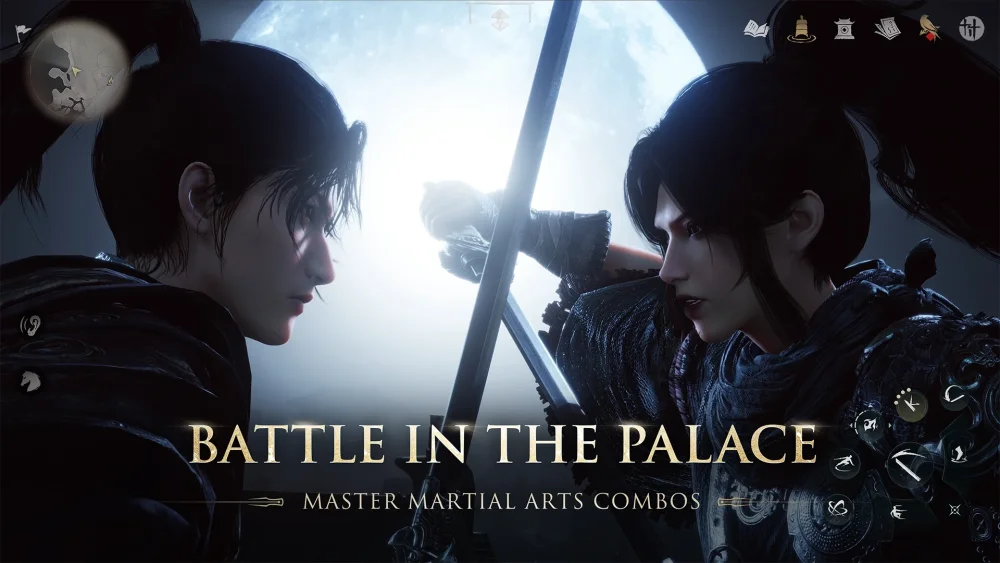
The Dual Spears in Where Winds Meet offer a fast, hyper-aggressive playstyle built around closing gaps, airborne juggles, and sustained multi-hit pressure. The weapon kit trades heavy defensive stability for rapid forward momentum. Playing the Dual Spears successfully requires managing your animation recovery, breaking poise with rapid thrusts, and swapping to a complementary secondary weapon when targets are downed.
Core Playstyle and Movement Risks
Unlike standard single polearms that keep distance with long-range thrusts, Dual Spears pull your character forward into melee range during attack sequences. This forward pull makes chasing retreating opponents easy, but it can pull you out of position against groups or armored foes.
- Aggressive Neutral Game: Initiate exchanges with forward lunges to bypass neutral spacing and force opponents on the defensive.
- Controlled Strings: Use short, deliberate attack strings rather than committing blindly to full combos. Overextending against enemies with active super armor exposes you to wide counter-attacks and parries.
- Proactive Pacing: Set the tempo of the fight by staggering vulnerable targets before disengaging to recover stamina.
Aerial Juggle Combo Flow
The Dual Spears feature a vertical launcher that lifts light targets off the ground, keeping them suspended and unable to retaliate.
| Combat Phase | Key Action | Tactical Objective |
|---|---|---|
| Engagement | Forward Lunging Dash | Closes neutral distance quickly against fleeing or ranged targets. |
| Elevation | Ascending Dual Thrust | Launches unarmored targets into an airborne juggle state. |
| Aerial Chain | Mid-Air Multi-Stab | Suspends the target in the air while dealing multi-hit bleed damage. |
| Finisher | Diving Ground Spike | Slams the target into the ground, causing knockdown and impact stagger. |
Before launching this aerial chain, check the target's poise state:
- Unarmored Foes: Standard human enemies lift off immediately, neutralizing their ability to counter.
- Armored Bosses: Elite enemies with white super-armor bars ignore launchers. Skip the mid-air sequence against these targets and stay grounded with sweep cancels to avoid leaving yourself vulnerable in mid-air.
Shield Pressure and Animation Cancels
The primary damage output of the Dual Spears comes from high-frequency piercing volleys. Each hit applies slight hitstun to unarmored targets and strips stamina from blocking opponents faster than single-hit heavy weapons.
Because holding or inputting long flurry sequences locks your character in place, you risk taking damage from flanking strikes or unblockable boss attacks. Use these rules to stay safe during flurries:
- Watch Guard Gauges: Track the opponent's guard meter rather than their health bar during multi-stab attacks. When the guard break audio cue plays, stop the flurry and transition into your highest-damage skill or a heavy weapon execute.
- Dodge-Cancel Early: If an enemy begins an unblockable red-glint windup during your flurry, tap evade during the startup frames to break the animation lock immediately.
- Avoid Greedy Trades: Never force the final hits of a combo if an enemy ignores hitstun. Resetting to neutral saves vitality and lets you restart your offensive string safely.
Secondary Weapon Pairings
The Dual Spears focus strictly on offensive pressure and consume steady stamina, leaving gaps in ranged utility and burst defense. Choosing the right secondary weapon covers these weaknesses.
- Ranged Utility (Jade Fan or Bow): Pair the Dual Spears with a Bow or Jade Fan to harass enemies at mid-range and apply crowd control before you dash in.
- Defensive Burst (Mo Blade or Tang Heng Blade): Pair with a heavy blade to gain access to defensive parries. Use the Dual Spears to deplete enemy stamina and score a knockdown slam, then swap weapons to execute a single-hit heavy strike while the enemy is on the ground.

Free Where Winds Meet Codes
Current active codes and how to redeem them.

Emily Johnson
Emily writes practical mobile strategy guides with a focus on resource planning, base progression, and the early decisions that shape a long-term account.
COMMUNITY
Player Comments
137 players commented on this guide.
This saved me time in the early game.
The explanation is clear, especially for beginners.
I wish I had read this before upgrading the wrong thing.
This helped me understand strategy much better.