
Where Winds Meet offers a deep, expansive sandbox that rewards careful planning and strategic foresight. For new players, the sheer scale of the game can lead to "resource traps"—decisions that seem minor early on but significantly hinder your long-term progression and combat potential. To succeed in this martial arts epic, you must move beyond basic combat and treat your character’s development as a long-term investment. This guide outlines seven critical areas where strategic choices will save you time, currency, and frustration.
1. Weapon Specialization and Versatility
In Where Winds Meet, your choice of weapon is your primary identity. While the game allows for flexibility, spreading your upgrade materials across too many weapon types in the early game is a common pitfall.
Instead, select one primary weapon that suits your preferred combat range and master its specific stagger mechanics. If you struggle with large groups, prioritize weapons with wide-sweeping area-of-effect (AoE) attacks. Conversely, if you find yourself hitting a wall during boss encounters, focus on weapons that excel at breaking an opponent's "Posture" or "Stagger" bar. Once you have a reliable primary, start secondary investment only after you have secured essential skill upgrades for your main weapon.
2. Strategic Heart Sutra Optimization
Heart Sutras are the cornerstone of your character's passive growth. A frequent mistake is spending rare cultivation materials on low-tier, flat-stat Sutras that quickly become obsolete.
When evaluating Heart Sutras, prioritize those that offer percentage-based bonuses. A 5% increase to base damage or defense will scale significantly better as you level up compared to a flat +5 bonus. Treat your Heart Sutra slots as a long-term build—check which Sutras complement your chosen weapon's damage type. If a Sutra provides a utility buff (such as increased stamina regeneration or dodge-window extension), weigh its value against your current playstyle before committing resources.
3. The Art of Mount Selection and Breeding
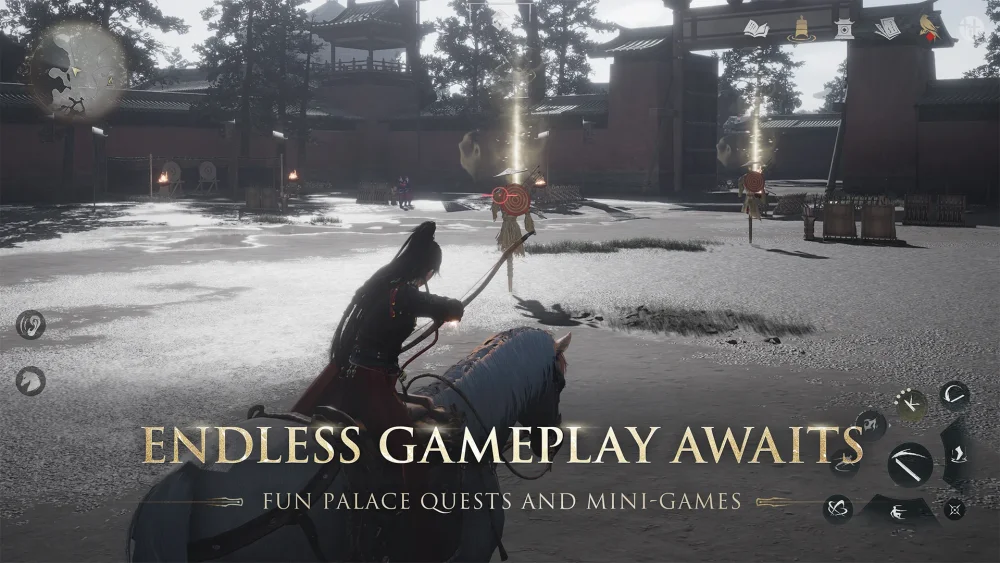
Traversal is a massive part of Where Winds Meet, and your mount is your most important tool for efficient questing. Do not simply settle for the first horse you acquire.
Focus on the "screening" process: when checking potential mounts, look for high base speed and stamina attributes. In the early game, prioritize stamina-heavy mounts to ensure you can reach distant objectives without needing to stop for rest. As you advance, look for breeding traits that offer speed modifiers. Investing time into securing a high-quality mount early will save you dozens of hours of travel time throughout your playthrough.
4. Disciplined Resource Management
Currency in Where Winds Meet is finite and should be spent with extreme prejudice. Avoid the "cosmetic trap"—spending gold or rare materials on non-essential items or convenience vanity features.
Establish a strict "needs-first" policy for your primary currency:
- Tier 1 (Crucial): Materials for upgrading your main weapon and essential Heart Sutras.
- Tier 2 (Important): Consumables that provide temporary combat buffs for difficult boss encounters.
- Tier 3 (Avoid): Cosmetic skins or convenience items that do not provide a direct boost to your combat power or gathering efficiency.
5. Prioritizing Progression-Gated Quests
The world map is filled with side activities, but not all are created equal. Focus your efforts on quests that unlock new movement abilities, such as improved wall-running or wind-walking techniques.
These movement upgrades act as "keys" to the rest of the map. By prioritizing these progression-gated quests early, you open up high-level resource nodes and hidden locations that were previously inaccessible. Treat your quest log like an efficiency tree: if a quest doesn't provide a permanent stat upgrade or a new movement capability, it should likely be deferred until you have completed your immediate power-building goals.
6. Mastering the Stagger and Combat System
Combat in Where Winds Meet is not about button-mashing; it is about managing the enemy's resilience. Every enemy has a stagger gauge, and your goal is to deplete this to open them up for critical strikes.
Pay close attention to your skill bar. Identify which moves deal "Stagger Damage" versus "Health Damage." Often, you should use your Stagger-focused abilities to break a shield, then switch to your high-damage combos to execute the finisher. If you find yourself dying frequently, you are likely failing to manage the enemy’s stagger windows or ignoring your own defensive parry timings. Practice these mechanics against low-level mobs to build muscle memory before heading into high-stakes boss fights.
7. Avoiding "Newbie" Crafting Mistakes
Crafting and item refinement are delicate systems. Before you dismantle or refine gear, check if the item is required for future progression or if it possesses a unique "passive trait" that cannot be easily replicated.
A common, costly mistake is dismantling rare gear for common upgrade materials. Always double-check your inventory and the "requirements" tab before hitting the confirm button on a refine action. If you are unsure about an item's long-term utility, keep it in your storage. The inventory space cost is negligible compared to the difficulty of re-acquiring a rare item that you accidentally destroyed.
Final Thoughts on Long-Term Success
Where Winds Meet is a marathon, not a sprint. By focusing on smart investments in your weapon, Heart Sutras, and mount, you ensure that your character remains competitive without needing to "grind" for lost resources later. Stay disciplined with your currency, prioritize movement-based questing, and treat every combat encounter as an opportunity to refine your mechanical skill rather than just a way to earn experience. Following these seven principles will place you in the top tier of players, ensuring you get the most value out of your time in this vast world.

Free Where Winds Meet Codes
Current active codes and how to redeem them.

James Brown
James focuses on Android gaming on PC, emulator setup, controls, performance tuning, and practical troubleshooting for longer play sessions.
COMMUNITY
Player Comments
31 players commented on this guide.
I wish I had read this before upgrading the wrong thing.
The explanation is clear, especially for beginners.
I tried this today and it worked better than my old setup.
The tips are practical and easy to follow.