
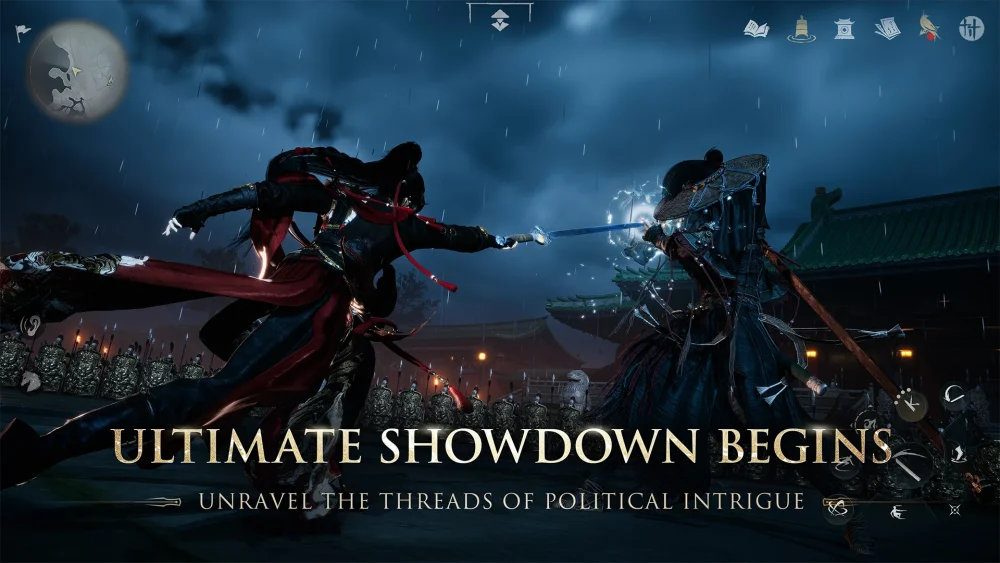
In Where Winds Meet, success is defined by more than just your mastery of martial arts and your skill in high-stakes combat. To truly thrive in this expansive world, players must engage with the game’s deep secondary systems: the robust Career Mode and the intricate NPC companion system. These features provide the foundation for your character’s economic independence and tactical versatility. By treating these systems with the same strategic rigor as a boss fight, you can ensure a consistent flow of resources and support, allowing you to bypass common progression bottlenecks.
Understanding the Mechanical Depth of Career Mode
Career Mode in Where Winds Meet is far more than a simple menu-based crafting system. It is a comprehensive simulation that requires genuine mechanical engagement, mirroring the complexities found in dedicated survival and construction titles. The game rewards players who treat crafting as a primary pillar of their gameplay loop rather than a secondary chore.
Strategies for Crafting Efficiency
- Specialization over Generalization: Resist the urge to dabble in every available craft. By specializing in one or two specific career paths, you reach higher-tier crafting benchmarks significantly faster. This allows you to produce high-level gear and consumables that are often superior to mid-game loot drops.
- Tactical Resource Mapping: Treat resource gathering as a tactical mission. Identify the most lucrative nodes in your immediate vicinity and plan your route to minimize travel time. Efficiency in gathering is the direct multiplier for your crafting output.
- High-Yield Prioritization: Focus your early efforts on crafting items that solve immediate pain points, such as stamina-recovery items or gear repair kits. These items allow you to stay in the field longer, effectively increasing your "uptime" during intensive exploration or combat sessions.
Optimizing the Companion System for Tactical Advantage
Your companions in Where Winds Meet are not merely flavor text or passive followers; they are your primary support network. Effectively managing these relationships is essential for overcoming the game’s more punishing martial arts sequences.
Selecting the Right Allies
When choosing which NPCs to recruit and invest in, analyze their passive bonuses against your current build. An offensive, high-damage player should prioritize companions who provide defensive buffs or crowd-control abilities, while a more balanced or defensive player can benefit from companions who provide damage-over-time (DoT) or movement speed enhancements.
The Affinity Loop
Affinity is the engine that drives companion utility. Regularly engaging in dialogue and gifting items that align with an NPC’s preferences will unlock unique support abilities. Never treat affinity building as a static goal; view it as an ongoing investment that pays dividends in the form of increased combat effectiveness and unique exploration perks.
Efficient NPC Training and Resource Management
To avoid spreading your resources too thin, you must adopt a disciplined approach to companion growth. Attempting to level every available NPC will only result in a team of under-leveled, ineffective allies.
The Core Three Strategy
Focus your limited training resources on a core team of three companions. This ensures that your primary support squad stays at level parity with your main character. A high-level companion can change the tide of a difficult encounter, whereas three mid-level companions will often struggle against elite enemies.
Steps to Streamline Growth:
- Identify Preferences: Always check an NPC’s profile to see which items provide a bonus to affinity gains before gifting.
- Assign Roles: Use the task assignment menu to delegate gathering or support tasks to your companions while you are busy elsewhere. This "passive income" is crucial for maintaining a healthy inventory.
- Rotate Based on Synergy: If you are tackling a specific dungeon or regional challenge, rotate your companion roster to include the character that provides the most relevant environmental or status-effect resistance.
The Pulse Cycle: Balancing Combat and Lifestyle
The most common mistake players make in Where Winds Meet is focusing exclusively on combat, leading to a resource bottleneck that halts gear progression. Conversely, spending too much time in Career Mode leaves you lacking the necessary martial arts skill to succeed in the open world.
We recommend the "Pulse Cycle" approach:
- The Combat Phase (2–3 hours): Focus on dungeon progression, world exploration, and high-level martial arts challenges. Use this time to test your character's capabilities.
- The Lifestyle Phase (1 hour): Dedicate this block to your Career Mode crafting, inventory management, and strengthening companion relationships.
This rhythm creates a sustainable loop where your combat successes fund your crafting materials, and your crafting materials provide the gear and consumables necessary to tackle even harder combat milestones.
Overcoming Limitations and Avoiding Pitfalls
It is important to manage expectations regarding the progression provided by these systems. Unlike finding a legendary weapon or unlocking an ultimate martial art, the rewards from Career Mode and companion systems are often incremental. You are trading immediate, explosive power for long-term sustainability and economic stability.
Common Mistakes to Avoid:
- Ignoring Regional Specialization: Some companions and crafting recipes are vastly more efficient in specific regions. Do not force a "one-size-fits-all" strategy across the entire map.
- Neglecting AI Behavior: If a companion’s AI is not performing well in a specific combat scenario, do not hesitate to swap them out. Flexibility is the hallmark of an experienced Where Winds Meet player.
- Hoarding Materials: Don't hold onto rare crafting materials waiting for the "perfect" moment. Use them to progress your current gear; the game’s loop is designed to reward consistent, incremental upgrades over hoarding for hypothetical future tiers.
By integrating these strategies into your daily gameplay, you will find that Where Winds Meet becomes a much more manageable and rewarding experience. Whether you are forging the perfect blade in the heart of the palace or coordinating a perfect strike with your most trusted companion, these systems are the key to mastering the world of the game.

Free Where Winds Meet Codes
Current active codes and how to redeem them.

Emily Johnson
Emily writes practical mobile strategy guides with a focus on resource planning, base progression, and the early decisions that shape a long-term account.
COMMUNITY
Player Comments
141 players commented on this guide.
This helped me understand base building much better.
I tried this today and it worked better than my old setup.
This guide answered the exact question I had.
The explanation is clear, especially for beginners.