
To dominate the current meta in Where Winds Meet, players must master the high-stakes challenges of the Imperial Palace and the chaotic, large-scale coordination required for Alliance Wars. This guide provides the tactical framework for navigating these endgame systems, from optimizing the lethal Lightning Twinblades to managing essential resources for competitive play.
Understanding the Imperial Palace Update
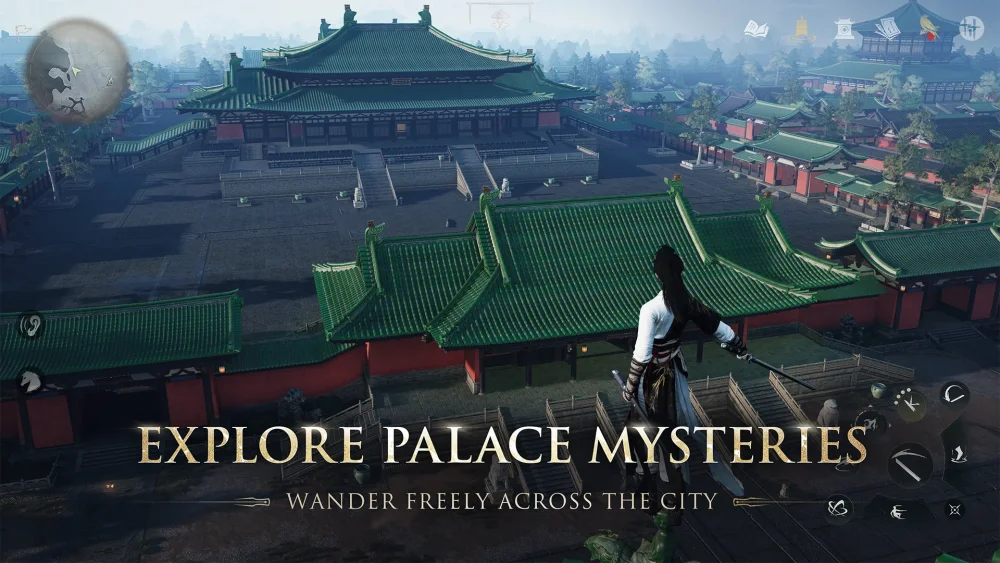
The Imperial Palace update has fundamentally altered the endgame landscape of Where Winds Meet. This zone is not merely a new map; it is an environment that punishes static playstyles. The interior geometry is dense, favoring players who can effectively utilize movement-based skills and verticality.
Navigating Environmental Hazards
Unlike the open-world zones, the Palace features tight corridors and vertical platforms that shift the focus from brute force to positional awareness.
- Verticality Advantage: Use the palace architecture to force NPCs into "funnels." By luring enemies into narrow archways, you can maximize your Area of Effect (AoE) damage potential.
- Boss Mechanics: The "cataclysmic" shift in boss AI means they now track movement more aggressively. Avoid standing in one spot for more than three seconds. Constant repositioning is the only way to avoid the new, high-damage telegraphs introduced in this patch.
Mastering the Lightning Twinblades Meta
The "Lightning Twinblades" (or Thunder Twinblades) have emerged as the premier weapon set for players looking to bridge the gap between agility and DPS. In the current patch, this style excels because it allows for rapid animation cancels, which are essential for maintaining damage uptime while avoiding incoming CC (crowd control).
Tactical Skill Rotation
To extract maximum value from the Lightning Twinblades, focus on the following priorities:
- Gap Closing: Utilize the lightning-imbued dash ability to initiate. This skill does not just close the distance; it often applies a brief stagger, giving you the opening needed for your primary combo.
- Animation Canceling: Learn to weave basic attacks between your dash and strike skills. By cutting the end-animation of your heavy strikes, you can effectively increase your DPS output by 15–20% in sustained combat.
- Stamina Conservation: The Twinblades rely on constant movement. If you deplete your stamina bar during a rotation, you will be unable to dodge out of enemy telegraphs. Always keep at least 20% stamina in reserve for defensive maneuvering.
Coordinated Alliance Warfare Strategies
Alliance War is the ultimate test of teamwork in Where Winds Meet. Success here is rarely about individual gear score; it is about "Unit Cohesion."
The "Single Unit" Doctrine
During Alliance Day events, treat your team as a single organism. When an alliance moves as a pack, it is exponentially harder for the enemy to isolate and pick off targets.
- Focus Fire: Designate a caller to mark high-value targets. When five players focus on one enemy, they die before they can use their defensive cooldowns.
- Lane Control: In large-scale skirmishes, avoid the "center of the map" trap. Most alliances lose because they push too deep into the middle, allowing themselves to be flanked from the sides. Stick to the lanes and maintain a defensive line.
- Role Specialization: Ensure your alliance has a mix of CC specialists and pure DPS. The CC specialists should focus solely on peeling for the healers and disrupting the enemy's formation, rather than chasing kills.
Resource Management and Event Preparation
In Where Winds Meet, your effectiveness on the battlefield is directly tied to your preparation before the event starts.
Essential Daily Habits
- Material Hoarding: Dedicate your daily login time to gathering tempering materials. These are finite and often restricted to specific daily activities. If you run out of these during an Alliance War, your gear will lose its competitive edge compared to players who tempered their weapons to the maximum.
- Durability Checks: Before any alliance event, ensure your equipment durability is at 100%. A broken weapon mid-fight is the most common reason for a sudden loss of momentum.
- Utility Buffs: Always keep a stock of movement speed tonics and debuff-cleansing items on your hotbar. These items are the difference between escaping a losing fight and being caught in an enemy execution combo.
Addressing Combat Limitations and Trade-offs
The current "speed meta" comes with a significant cost: fragility. The Lightning Twinblades, while powerful, rely on the player's ability to avoid damage rather than tanking it.
When to Pivot Your Strategy
If you find your health dropping too rapidly in Palace encounters or Alliance wars, do not simply try to "play better." Instead, assess your gear:
- Offense vs. Defense: If you are dying in two hits, swap your secondary stats from "Attack Speed" to "Damage Reduction" or "Health Recovery."
- Flexibility: Not every encounter favors speed. In some boss fights, you may need to swap to a secondary weapon set that focuses on heavy, high-stagger damage to break enemy shields. Mastering this transition is what separates a novice player from a veteran.
Final Expert Recommendations
To truly master Where Winds Meet after the Imperial Palace update, you must stop viewing combat as a series of isolated button presses and start viewing it as a rhythm. Use the downtime between Alliance Wars to practice your dash-canceling in low-stakes environments like daily dungeons.
Pro Tip: Pay close attention to the community patch notes posted by official creators. Mechanics in Where Winds Meet are subject to rapid "cataclysmic" shifts; staying updated on weapon balance changes will ensure that your resource investment—time and currency—is never wasted on gear that is being tuned down. By combining tactical movement, strict resource management, and disciplined alliance behavior, you will remain at the top of the leaderboards regardless of how the meta evolves.

Free Where Winds Meet Codes
Current active codes and how to redeem them.

Emily Johnson
Emily writes practical mobile strategy guides with a focus on resource planning, base progression, and the early decisions that shape a long-term account.
COMMUNITY
Player Comments
134 players commented on this guide.
This helped me understand heroes much better.
The explanation is clear, especially for beginners.
The tips are practical and easy to follow.
Good guide for Where Winds Meet players. The heroes part was useful.