
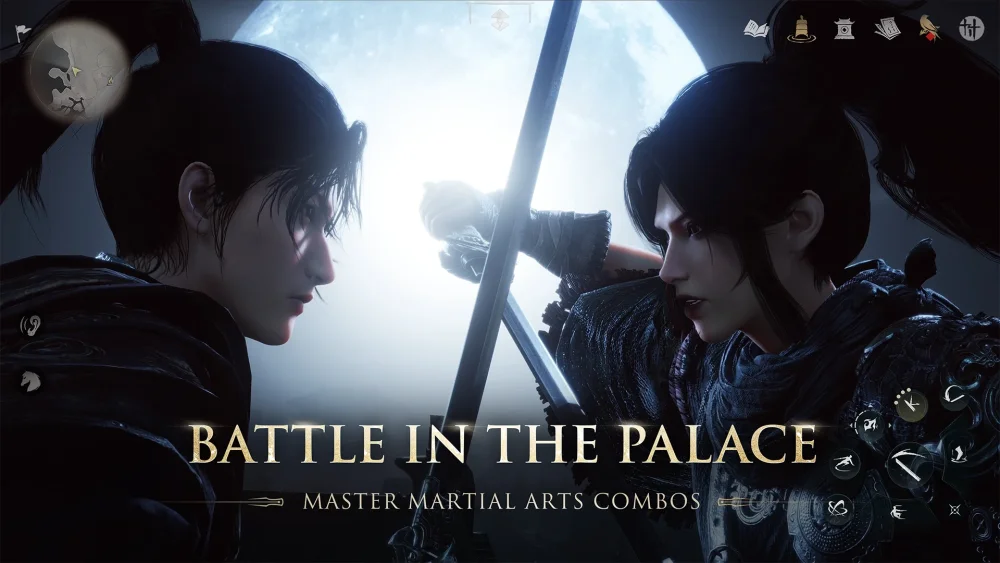
To succeed in Where Winds Meet, you must treat every server update as a fundamental shift in your progression path. The game’s intricate balance of combat, stealth, and social deduction means that even minor patch adjustments can render established "best practices" obsolete. The key to staying ahead lies in transitioning from a rigid daily routine to a fluid, information-driven strategy that prioritizes high-yield activities over legacy grinds.
Navigating Server-Specific Update Mechanics
When Where Winds Meet receives a major patch, the most immediate danger is continuing to run outdated daily routes. Developers frequently recalibrate the effort-to-reward ratio for specific quests. If you find yourself spending 30 minutes on a quest that now rewards lower-tier materials than a new, 10-minute activity, you are losing competitive ground.
Actionable Steps for Patch Days:
- Audit Your Logs: Immediately review the "Patch Notes" section upon login. Look for keywords like "adjusted drop rates," "increased difficulty," or "reward normalization."
- The 24-Hour Rule: Avoid dumping resources into new systems within the first 24 hours of an update. Let the community and theory-crafters identify which new activities provide the best return on investment (ROI).
- Targeted Farming: Pivot your daily focus to activities that offer account-bound progression materials, as these are less susceptible to economic volatility than tradable goods.
Resource Scarcity and Economic Planning
Updates in Where Winds Meet often induce artificial scarcity. As new tiers of gear or martial arts are introduced, the demand for specific crafting components skyrockets, causing market prices to inflate rapidly.
To manage this, practice "milestone spending." Rather than spending currency as you earn it, save your gold and rare materials until you hit a specific power milestone or reach a new character tier. By keeping a reserve, you allow yourself the flexibility to purchase essential items when prices stabilize or to pivot your investment if the update introduces a more powerful gear set that makes your current target obsolete.
Tactical Combat and Meta Shifts
Where Winds Meet is defined by its deep martial arts system. Developers often introduce "stealth" balance changes—adjustments to frame data, stamina costs, or hitboxes that aren't explicitly detailed in the headline patch notes.
- Test Before You Commit: Before spending precious skill points or upgrade materials on a build, head to the training grounds. Check if your combos feel sluggish or if your primary damage-dealing ability has had its stamina cost increased.
- Maintain Flexibility: Always keep a small surplus of "respec" items. If a patch nerfs your primary combat style, being able to pivot to a secondary, buffed style immediately is the difference between falling behind and staying in the top tier of players.
- Observation: Pay attention to high-level players. If the community suddenly shifts away from a specific weapon type, it is rarely a coincidence—it is usually a reaction to a mechanical change that lowered that weapon's viability.
Efficiency in Daily and Weekly Rituals
The most successful players in Where Winds Meet treat their daily routine like a business. You should categorize your tasks into three tiers:
- Priority 1 (Mandatory): Activities that provide unique, non-farmable progression materials. These should be done regardless of the effort required.
- Priority 2 (Efficiency): Activities that provide high-value common resources. These are your "bread and butter" tasks but should be skipped if an event offers better rewards per minute.
- Priority 3 (Optional): Time-intensive tasks with low rewards. These are the first to be cut when an update introduces new content.
By maintaining this hierarchy, you ensure that even when you have limited time to play, you are always securing the most critical assets for your long-term growth.
Exploiting Limited-Time Events
Every major update cycle in Where Winds Meet introduces temporary events. These events are designed to keep the player base engaged, but they often present a trap: the "Time-Value Fallacy."
Before diving into a new event, calculate the total time investment versus the value of the rewards. If an event requires two hours of grinding for a cosmetic item or a negligible amount of currency, it is almost always better to spend those two hours on core progression, such as leveling your martial arts or completing story chapters. However, if the event provides limited-time catalysts for gear upgrades, prioritize it above all other secondary activities.
The Role of Community Insight
In a game as complex as Where Winds Meet, official documentation is only half the story. The community of players—especially those on earlier-launch servers—often discovers "trap" quests or unintended synergies within days of an update.
- Engage with Forums: Look for discussions regarding "difficulty spikes." If a specific quest is being reported as bugged or providing broken rewards, skip it until a hotfix is confirmed.
- Shared Knowledge: Use player-created wikis or community trackers to monitor the current "meta-efficiency." These resources are updated much faster than official game guides and often include tips on how to cheese specific encounters that have become unnecessarily difficult after a patch.
Long-Term Progression Habits
Ultimately, Where Winds Meet is a game of marathon, not a sprint. The players who dominate are those who cultivate long-term habits:
- Consistent Activity: Even on days when you don't feel like playing, log in to handle your passive resource generation. In the long run, these small increments add up to massive power gaps between active and casual players.
- Decision-Making Framework: Whenever you face a choice (e.g., "Should I upgrade this sword or save for the next tier?"), ground your decision in data. Look at the item’s stat growth per level. If the gain is marginal, the cost is rarely justified.
- Social Deduction Integration: Don't neglect the social aspects of the game. Joining an active, communicative guild often provides access to information and resources that you simply cannot get playing solo. Your guildmates can serve as an early warning system for market shifts and combat meta changes.
By adopting this disciplined, analytical approach to Where Winds Meet, you remove the uncertainty that follows every update. You aren't just reacting to changes; you are anticipating them, managing your resources with foresight, and focusing your efforts where they provide the greatest return. Whether you are navigating the Kaifeng Imperial Palace or optimizing your combat loadout, the principles of efficient resource management and constant adaptation remain your greatest weapons in the world of Where Winds Meet.

Free Where Winds Meet Codes
Current active codes and how to redeem them.

Emily Johnson
Emily writes practical mobile strategy guides with a focus on resource planning, base progression, and the early decisions that shape a long-term account.
COMMUNITY
Player Comments
122 players commented on this guide.
The explanation is clear, especially for beginners.
This guide answered the exact question I had.
The tips are practical and easy to follow.
I tried this today and it worked better than my old setup.