
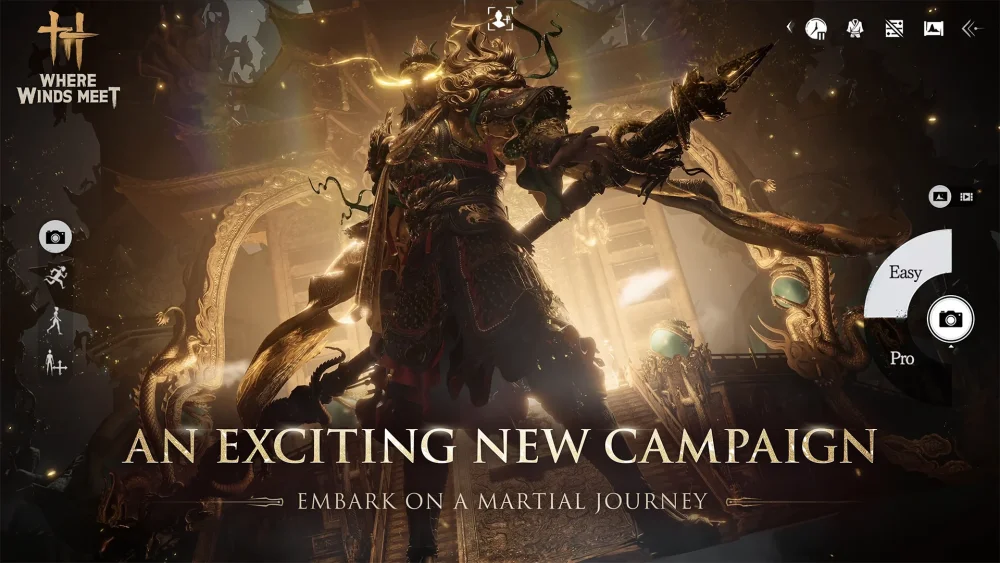
Conquering the 96-level "White Colt Flying Glow" (Baiju Feixia) 5-player dungeon in Where Winds Meet is a rigorous test of mechanical precision, group synchronization, and talent optimization. Unlike earlier content, this dungeon demands that players transition from standard DPS rotations to a high-mobility, rhythm-based combat style. To succeed, your team must master the specific telegraphs of the two primary bosses, Feng Ruzhi and the Dancing Horse, while managing resources to survive their high-intensity phase transitions. This guide provides the expert strategies needed to clear this high-level trial efficiently.
Dominating the Feng Ruzhi Encounter
Feng Ruzhi serves as the primary mechanical gatekeeper of the White Colt Flying Glow dungeon. His combat style is defined by high-mobility strikes and aggressive closing speed, designed to punish players who remain static or rely on long, telegraphed skill animations.
Key Combat Phases
- The Poise-Break Window: Feng Ruzhi will frequently enter a stance indicated by a glowing aura. This is your primary window for "Poise Damage." Your team must designate a primary engager to initiate crowd control during this window to stagger the boss, preventing him from unleashing his most devastating area-of-effect (AoE) abilities.
- Mobility Management: When the boss enters his empowered state, he will telegraph sweeping strikes across the arena. Do not attempt to "face tank" these hits. Instead, use your dodge-dash mechanics to reposition behind or to the flank of the boss.
- The Healer’s Burden: Feng Ruzhi’s secondary phase increases the frequency of his AoE attacks. During this time, players must prioritize uptime over maximum DPS output. If you are caught in an animation lock, you will likely suffer a significant health penalty, forcing your healer to burn through their mana reserves prematurely.
Navigating Dancing Horse Positioning Mechanics
The Dancing Horse encounter introduces a unique spatial puzzle that requires all five players to act as a single unit. This boss does not merely attack; he forces the party to "dance" across the arena floor, punishing those who fail to track his movement patterns.
Spatial Strategy
- The Safe Zone Protocol: The Dancing Horse telegraphs his movement path before executing his charge. A common mistake is for players to scatter in panic. Instead, establish a "Safe Zone" behind the boss’s current trajectory. Moving as a group ensures that no single player is isolated for the boss's target-acquisition attacks.
- Hazard Mitigation: As the fight progresses, the boss will spawn environmental hazards. These limit your available movement space. Use your dash skills to clear these hazards if your specific character class allows, or prioritize positioning in the center of the arena to maximize the distance you can retreat when the boss initiates a sweeping attack.
- Rhythm Consistency: The encounter is rhythmic. If your team tracks the boss’s movement pulses (usually signaled by his hooves or a visual distortion on the ground), you can anticipate the next "Safe Zone" before he moves.
Optimal Talent Setups for White Colt Flying Glow
In a 96-level environment, a "glass cannon" build is often a liability. The White Colt Flying Glow dungeon requires a balance between burst damage and mobility-based survivability.
Recommended Talent Priorities
- Poise Damage Nodes: Since both bosses rely on stagger-resistant phases, talents that amplify your poise damage are essential. This allows your team to reach the "vulnerable" window significantly faster.
- Movement-Based Damage Reduction: Equip talents that grant temporary damage mitigation while dashing or sprinting. Because this dungeon penalizes standing still, you will spend a high percentage of the fight in motion. These talents effectively turn your movement into a defensive utility.
- CC Reduction: To counter the periodic stuns inflicted during the Dancing Horse encounter, ensure at least two party members are running crowd-control reduction or "stuns-to-buffs" talents. This prevents the "cascade effect" where one stunned player leads to a chain reaction of failures.
Strategic Team Coordination and Resource Management
Success in the White Colt Flying Glow is rarely about individual skill; it is about the "Burst Window" synchronization.
- Ultimate Ability Discipline: Do not use your ultimate abilities at the start of the fight. Save them exclusively for when the boss is staggered or enters a "vulnerable" state. Burning them early is a common cause of wipes, as the boss will likely transition to a protected phase, wasting your most valuable cooldowns.
- Leader-Led Callouts: Assign one player to manage the "burst cycle." This player should call out exactly when the party should unleash their high-damage combos. By ensuring all five players execute their rotations simultaneously, you can skip certain high-damage boss phases entirely, significantly reducing the duration of the fight.
- Communication during Transitions: When the boss shifts between defensive and offensive postures, communication is vital. If a healer is low on resources, the team must switch to a more defensive, poke-based strategy until the healer regains sufficient energy.
Addressing Common Pitfalls and Latency
Even with the perfect build, environmental and technical factors can lead to failure. Here is how to handle the most common issues players face:
- Latency Adjustments: The White Colt Flying Glow requires frame-perfect parries. If you are experiencing high ping, your window to dodge is effectively reduced. If you notice consistent failure on parries, adjust your playstyle to favor "early dodging"—moving away from an attack path before the telegraph is fully completed.
- The "Greed" Trap: Many players fail by trying to squeeze in one extra light attack before dodging. In this dungeon, the penalty for being greedy is almost always a death. Prioritize your survival over your DPS metrics; a dead player contributes zero damage to the group.
- Composition Flexibility: If your team lacks a high-end healer, do not be afraid to swap one "pure damage" talent for a "self-sustain" or "team shield" talent. The trade-off in raw damage is negligible compared to the cost of a player death, which drastically reduces the party’s overall effectiveness.
By focusing on these specific mechanics and adhering to a disciplined team strategy, you can reliably clear the White Colt Flying Glow dungeon. Remember that Where Winds Meet rewards consistency and preparation—take the time to learn the rhythm of these bosses, and you will find that even the most punishing phases become manageable.

Free Where Winds Meet Codes
Current active codes and how to redeem them.

Emily Johnson
Emily writes practical mobile strategy guides with a focus on resource planning, base progression, and the early decisions that shape a long-term account.
COMMUNITY
Player Comments
39 players commented on this guide.
The explanation is clear, especially for beginners.
This helped me understand strategy much better.
Good guide for Where Winds Meet players. The strategy part was useful.
Can you add more details about strategy in a future update?