
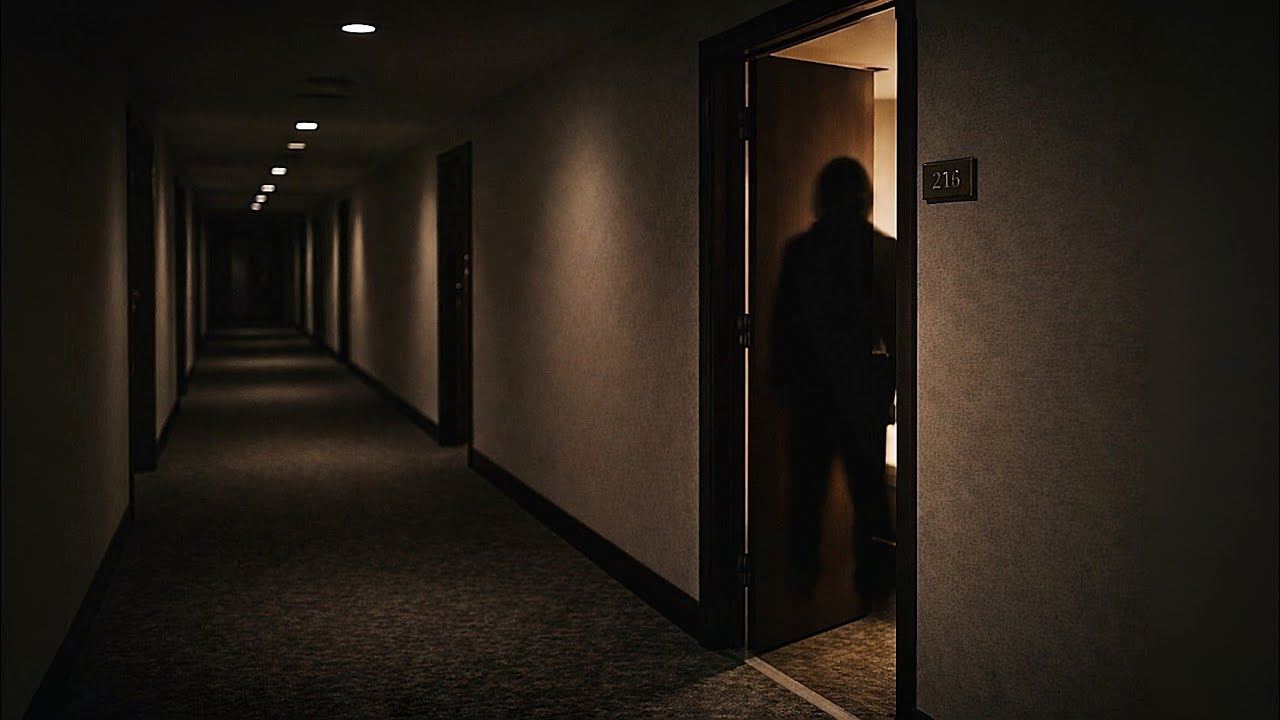
To survive the most challenging missions in Whisperborne, you must transition from a reactive player to a proactive strategist. The game’s hotel-themed environments are meticulously crafted to test your ability to read "environmental silence" and interpret rhythmic anomalies. By treating every hallway and elevator as a potential combat theater, you can anticipate scripted ambushes before they occur. This guide provides the expert-level techniques required to decode the game’s atmospheric cues, ensuring you maintain the upper hand in even the most unsettling narrative segments.
Decoding Auditory Anomalies in Hotel Settings
In Whisperborne, sound is your primary tactical tool. The game’s soundscape is not merely for immersion; it is a sophisticated telegraphing system. When navigating hotel-themed levels, treat silence as a status effect.
- The Silence Trigger: If the ambient backing track or the constant hum of air conditioning abruptly cuts out, the game engine is likely preparing a scripted event or an enemy spawn. Immediately transition to a defensive stance.
- Spatial Audio Cues: Whisperborne utilizes precise directional audio. Use high-quality headphones to track the "mechanical heartbeat" of the building. If you hear the clicking of an elevator latch or the heavy thud of a door closing when you haven’t interacted with those objects, an enemy entity is actively repositioning.
- Rhythmic Dissonance: During combat, the background music often syncs with enemy AI attacks. If the rhythm feels "off" or suddenly shifts tempo, it indicates a change in the enemy’s combat phase. Listen for the underlying percussion to time your dodges and parries effectively.
Tactical Navigation of Elevator Bottlenecks
Elevators are the most dangerous transition points in Whisperborne. They act as "choke points" where your mobility is restricted. Mastering these areas is essential for high-level play.
Never enter an elevator without first scanning the floor via your peripheral camera. If the elevator doors open without a player-led prompt, you have triggered a "spawn-in." Do not rush inside. Instead, use an area-of-effect (AoE) ability at the threshold of the elevator doors. Most entities in Whisperborne have a brief "exit animation" when spawning; exploit this window to deal damage before the enemy can fully engage you in the enclosed space of the cabin.
If you suspect an enemy is lurking in an elevator shaft, do not use the call button. Look for alternate routes, such as service stairwells. Using the elevator is a convenience that often leads to a tactical disadvantage; skipping it entirely is frequently the most strategic choice in high-tension segments.
Interpreting Hallway and Lighting Distortions
The hallways in Whisperborne are designed to exploit human psychology. The developers use long, symmetrical corridors to lower your guard. To counter this, you must adopt a "peripheral-first" camera technique.
- Camera Angling: Keep your camera slightly off-center, pointing toward the edges of the screen. This allows you to spot movement at the very edge of your field of view before the game forces a camera snap toward the threat.
- Lighting as a Warning: Flickering lights are rarely just aesthetic; they are proximity sensors. If a light source flickers, it indicates that an NPC or scripted event is within a 10-meter radius.
- Texture Discrepancies: Pay attention to the floor and wall textures. If a specific door looks slightly "cleaner" or has a different color profile than the rest of the hallway, it is a high-probability interactable object or a secret path. Use a low-cost scan ability to identify if it is a trap or a hidden resource cache.
Managing Unexpected Visitor Encounters
Not every NPC in Whisperborne is an enemy, but every interaction carries a risk. Some NPCs act as "narrative anchors," effectively freezing your character in place for a cutscene.
If you spot an NPC moving in an erratic or non-linear path, they are a scripted entity. Keep your distance. If you are forced into an interaction, prioritize observational dialogue choices. These options usually provide lore-heavy, non-combat outcomes. If a dialogue prompt mentions "personal testimony" or "true stories," these are often safe paths that allow you to bypass a combat encounter entirely, preserving your health and cooldowns for more difficult sections later in the mission.
Strategic Checklist for Hotel Progression
To consistently survive the most grueling Whisperborne segments, implement this procedural checklist every time you enter a new floor:
- The Audio Sweep: Stop moving for three seconds. Listen for mechanical hums or silence.
- The Threshold Check: Never walk through a doorway without checking the opposite corner.
- The Exit Strategy: Always identify the nearest secondary exit (stairwell or window) before engaging with a central objective.
- The Resource Audit: If your health is below 40%, prioritize evasion over combat. Use environmental objects to break line-of-sight rather than standing your ground.
Advanced Decision-Making: Combat vs. Evasion
A common mistake in Whisperborne is the "completionist trap," where players feel obligated to clear every room of enemies. In hotel missions, resources are finite. If you can bypass a corridor by utilizing stealth or simply running past a trigger point, do so.
Combat should be a last resort or a calculated decision to secure a key item. By treating the environment as a resource—using elevators as traps, hallways as line-of-sight breaks, and NPCs as distractions—you can navigate even the most daunting chapters of Whisperborne with minimal loss of life. Remember: in this game, your greatest weapon is not your gear, but your ability to remain one step ahead of the environment.

Free Whisperborne Codes
Current active codes and how to redeem them.

Emily Johnson
Emily writes practical mobile strategy guides with a focus on resource planning, base progression, and the early decisions that shape a long-term account.
COMMUNITY
Player Comments
47 players commented on this guide.
Nice guide. I am checking the other Whisperborne articles next.
Can you add more details about strategy in a future update?
This helped me understand strategy much better.
Good guide for Whisperborne players. The strategy part was useful.