
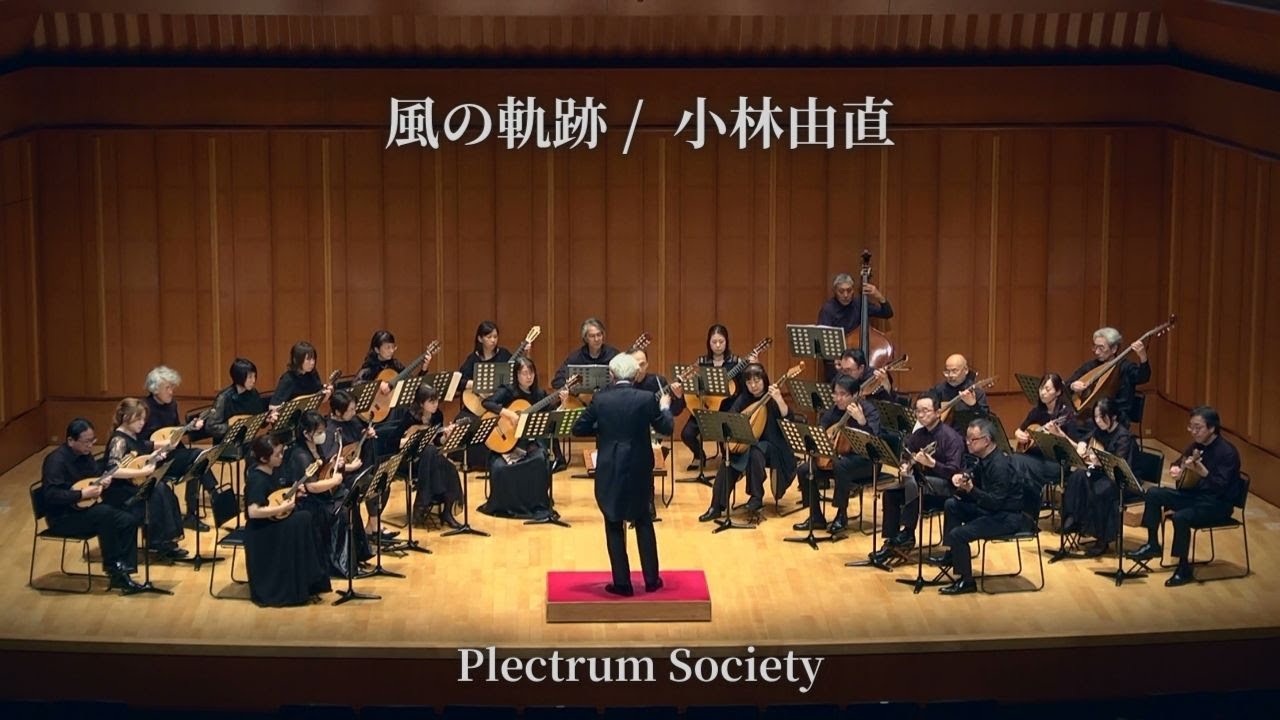
To maximize your combat potential in Whisperborne, you must master the synchronization of orchestral elements during performance-based encounters. By aligning the "Trace of Wind" composition—inspired by the complex arrangements of Yoshinao Kobayashi—with specific instrumental transitions, you can trigger powerful resonance buffs that fundamentally alter the flow of battle. This guide provides the tactical breakdown needed to leverage these musical mechanics, ensuring your rhythmic inputs translate into the environmental and character-based advantages required for high-level play.
Understanding the Orchestral Layering Mechanic
The core of the "Trace of Wind" performance mechanic relies on the layering of distinct acoustic textures. Rather than treating the music as mere background ambiance, successful Whisperborne players recognize that each instrument section acts as a tactical trigger. When you initiate the composition, monitor the audio cues to identify the exact moment the primary melody shifts; failing to align your inputs with these shifts results in missed resonance windows, effectively wasting the performance phase and leaving your party exposed.
To succeed, focus on these three layering priorities:
- Melodic Entry: Initiate your rhythmic inputs precisely as the lead string section begins the introductory phrase. This establishes the initial "Harmonic Link."
- Harmonic Expansion: When the woodwinds enter the arrangement, increase your input frequency to capture the secondary resonance buff, which typically boosts critical hit rates.
- Dynamic Peaks: Align your final combo sequences with the orchestral crescendo. This serves as the trigger for the highest stat multiplier, often granting a short-term defense penetration bonus.
Synchronizing Timing with Performance Windows
Timing is the most rigid constraint in the Whisperborne performance system. "Trace of Wind" follows a linear, non-adaptive progression. If you delay your inputs, the game forces a resonance stack reset, stripping your characters of their accumulated buffs.
To maintain efficiency, observe the on-screen visual ripple effects that pulse in time with the music. These ripples are your primary indicator for input calculation. Prioritize consistency over speed; a steady, rhythmic input pattern maintains a "Steady Resonance" state, which is significantly more beneficial than an erratic, high-speed input pattern that frequently misses the timing windows. If you struggle with a specific bridge, look for the subtle change in background lighting. In Whisperborne, the environment often shifts its saturation to match the intensity of the composition’s bridge, signaling a transition in the buff type.
Managing Resonance Buffs and Trade-offs
Each performance in Whisperborne requires a calculated trade-off. While the "Trace of Wind" provides massive offensive and defensive boosts, it requires you to commit to a stationary position for the duration of the sequence. This leaves your units vulnerable to enemy area-of-effect (AoE) attacks.
Effective resource management requires:
- Risk Assessment: Always clear peripheral threats before starting a performance. You cannot afford to be locked into an animation while an enemy boss is charging a high-damage ultimate.
- Persistence of Buffs: Note that resonance effects persist for a fixed timeframe after the music concludes. Use this window to transition into your most powerful damage-over-time or high-burst combos.
- Cooldown Awareness: Triggering a performance prematurely can leave your party without their primary source of tactical synergy during the final, most difficult stages of a boss encounter. Save your composition for the window where the boss enters its "Staggered" state to maximize the DPS output.
Leveraging Environmental Acoustic Cues
The environment in Whisperborne acts as a resonator for your performance. Certain maps amplify specific orchestral frequencies, providing a passive bonus to the efficacy of the "Trace of Wind" buffs. When you are in areas characterized by open architecture or high-altitude platforms, the sound design emphasizes the resonance effects, making your buffs last longer or provide higher stat scaling.
However, enclosed spaces with heavy reverberation tighten the window for input accuracy. In these instances, adjust your strategy to focus on shorter, more concise "staccato" performance bursts rather than attempting the full, long-form composition. This allows you to maintain a baseline level of combat resonance without risking the total loss of buffs that occurs when you fail a sequence in an acoustically challenging environment.
Advanced Strategies for Elite Encounters
As you progress into endgame Whisperborne content, the "Trace of Wind" composition becomes more than a buff; it becomes a defensive necessity. During encounters with high-mobility enemies, the resonance effect often grants a temporary "Movement Speed" bonus upon completion. Use this to reposition your units immediately after the musical sequence ends.
When facing bosses with shield mechanics, prioritize the "Harmonic Expansion" phase of the composition. The resonance buff generated during the woodwind entry is specifically tuned to break enemy shields faster than standard attacks. By intentionally holding your composition until the boss initiates a shield phase, you can synchronize your musical performance with the boss's weakest moment, creating a perfect loop of tactical efficiency.
Common Mistakes to Avoid
- Over-extending: Attempting to complete the full composition when enemy health is low and danger is high is a frequent cause of party wipes. Learn to cut the performance short if the battlefield becomes chaotic.
- Ignoring Visual Cues: Players who rely solely on audio often get tripped up by the game’s dynamic tempo changes. Always use the visual ripple effects as your primary guide.
- Input Spamming: Whisperborne rewards precision, not speed. Spamming inputs will lead to "Input Fatigue," which increases the time needed for your next performance to recharge.
By mastering the "Trace of Wind," you turn the battlefield into an extension of your own musical control. Practice these timings in the training hall until the rhythmic patterns become muscle memory, and you will find that the most challenging encounters in Whisperborne become significantly more manageable.

Free Whisperborne Codes
Current active codes and how to redeem them.

Emily Johnson
Emily writes practical mobile strategy guides with a focus on resource planning, base progression, and the early decisions that shape a long-term account.
COMMUNITY
Player Comments
63 players commented on this guide.
The explanation is clear, especially for beginners.
This guide answered the exact question I had.
The tips are practical and easy to follow.
Nice guide. I am checking the other Whisperborne articles next.