
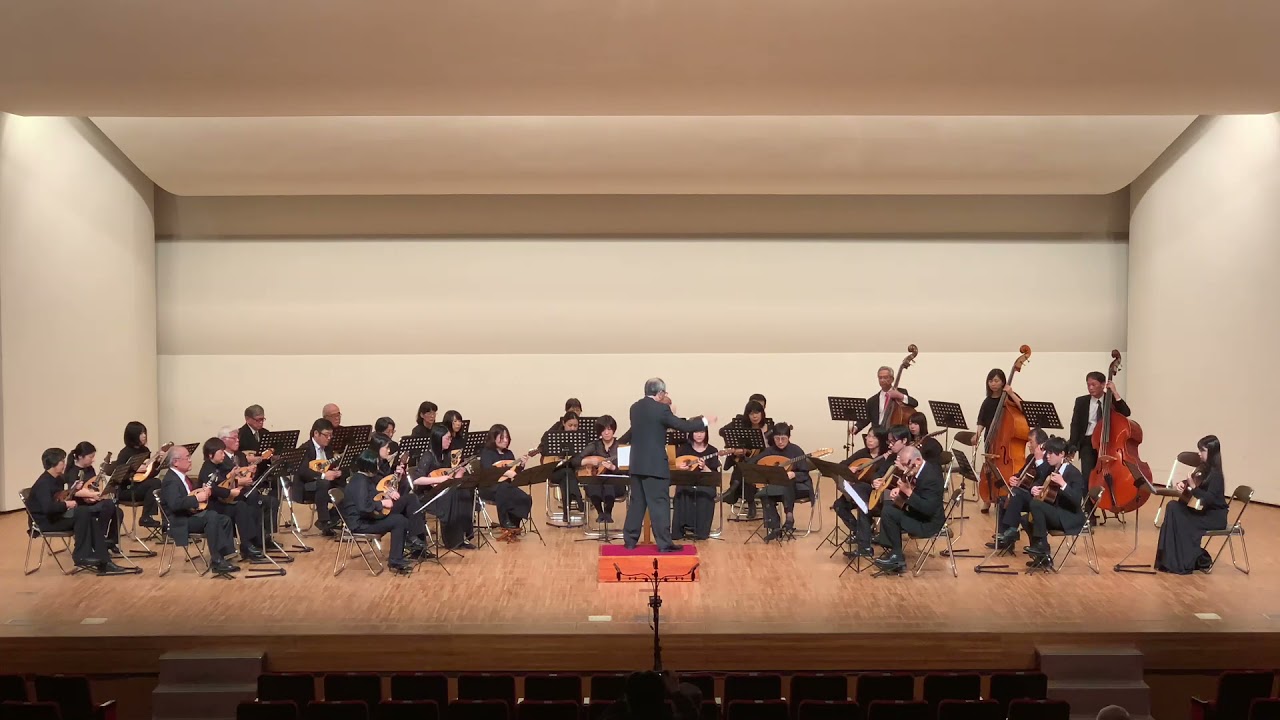
In Whisperborne, the orchestral score is far more than atmospheric window dressing; it is a sophisticated, reactive gameplay mechanic. By decoding the intricate relationship between the game’s dynamic soundtrack—specifically compositions like "Trace of the Wind"—and the world's underlying environmental systems, players can gain a significant tactical advantage. This guide explores how to leverage orchestral phrasing, tempo shifts, and dynamic crescendos to master the acoustic landscape of Whisperborne.
The Mechanics of Acoustic Navigation
In Whisperborne, sound design functions as an auditory map. The game’s engine utilizes a real-time, MIDI-linked audio system that adjusts the intensity, tempo, and instrumentation of the score based on your proximity to environmental triggers, resource nodes, or hidden enemies.
The primary mechanic, often referred to as "Harmonic Syncing," allows players to anticipate world states before they manifest visually. When the score utilizes high-frequency, staccato mandolin textures, the game is signaling that you are in a "High-Flux" zone. In these areas, environmental geometry is more volatile, and platforming precision must be heightened. Understanding this connection allows you to transition from passive exploration to reactive, high-speed traversal, effectively "reading" the music to stay one step ahead of the shifting world.
Decoding Orchestral Phrasing as a Radar
The "Trace of the Wind" arrangement provides the clearest example of how Whisperborne communicates information through music. The composition is built on a layered structure:
- The Delicate Opening: Characterized by high-frequency mandolin plucking. This phase indicates a stable environmental state, ideal for exploration and resource gathering.
- The Sweeping Mid-Section: When the strings begin to layer, it signals an increase in atmospheric density. This is your cue that the "Shapeless" entities are nearby and that you should prioritize stealth or defensive positioning.
- The Accelerated Melody: An increase in BPM (beats per minute) indicates an imminent transition in the game's biome or a shift in the world's topography.
By training your ears to recognize these markers, you create a "proactive feedback loop." You no longer wait for visual cues to appear; you adjust your camera and movement speed the moment the melody shifts, granting you a critical window of time to react to environmental hazards.
Synchronizing Movement with Staccato Rhythms
The "Wind’s Trajectory" mechanic is arguably the most difficult aspect of Whisperborne traversal. It requires players to move in harmony with the internal pulse of the game. If you attempt to dash or jump against the rhythmic grain of the score, you encounter "environmental fatigue," a hidden debuff that slightly slows your interaction speed with objects.
To master this, follow these tactical steps:
- Isolate the Pulse: Listen specifically for the sharp, staccato mandolin notes. They act as the "metronome" for your character’s agility.
- Timing the Release: Initiate your traversal moves (dashes or long jumps) exactly during the release phase—the subtle decay following a mandolin pluck.
- The Pause Technique: During the sustained, lingering chords, cease all movement. This allows the game engine to refresh its environmental scanning, often highlighting hidden loot or nearby enemies that were previously obscured.
- Rhythmic Re-engagement: When the melody accelerates, immediately resume movement. This rhythm is tuned to the safest pathing through the current biome.
Leveraging Crescendos for Combat Awareness
Orchestral crescendos in Whisperborne act as a dynamic threat detection system. As the ensemble volume swells and the lower-end string resonance increases, the "aggro radius" of nearby enemies expands.
Expert players use the density of the mix to measure risk. When you hear the mandolin being drowned out by deeper cello or bass textures, it is a definitive sign that the threat level has surpassed your current combat capabilities. At this point, the game is suggesting a tactical retreat. If you continue to push forward into a crescendo, you are essentially walking into a high-intensity engagement without the necessary preparation. Treat the score as a volume-based radar: the louder and more complex the mix, the more aggressively you should seek cover.
Audio Optimization: Balancing Immersion and Tactics
While the soundtrack is masterfully composed, relying solely on the default audio mix can lead to sensory overload during complex encounters. To maintain a competitive edge, you must ensure that mechanical audio cues (footsteps, enemy telegraphs, environmental debris) are not lost in the orchestral swells.
Configuration Recommendations:
- For Competitive Play: Set the Audio Mix to "Dynamic Range: Narrow." This compresses the music slightly, making low-level sound effects like enemy footsteps more distinct against the orchestral background.
- For Spatial Awareness: If you are using a surround-sound headset, ensure your in-game "Spatial Audio" setting is toggled on. The music in Whisperborne is mixed to provide directional cues; the mandolin melody often pans to the left or right to hint at the direction of the next objective or hazard.
- The "Focus Mode" Preset: During boss encounters or high-stakes navigation, manually lower the "Music Volume" by 15% in the settings menu. This maintains the atmosphere while prioritizing the "click" and "thud" sound effects that dictate combat timing.
Analyzing Tempo Shifts for Efficient Resource Management
The final movement of the "Trace of the Wind" arrangement serves a specific utility: it indicates the stabilization of the game world. When the tempo slows, it is a signal that the environmental transitions have ceased and the area is safe for looting.
Many players make the mistake of rushing during these moments, failing to realize that the music is telling them the area is "cleared." Use this rhythmic deceleration to perform inventory management, upgrade gear, or update your quest log. The game is specifically designed to minimize random encounters during these musical lulls, providing a window of safety. If the music starts to pick up speed again, immediately finish your tasks and prepare to move; the "stable" state of the map is ending, and the next environmental shift is beginning.
By mastering these orchestral cues, you transform Whisperborne from a game you simply play into a rhythmic, immersive experience where every note informs your next strategic decision.

Free Whisperborne Codes
Current active codes and how to redeem them.

Michael Smith
Michael covers live-service games, events, reward systems, and efficient daily routines, turning frequent updates into clear actions for players.
COMMUNITY
Player Comments
112 players commented on this guide.
Can you add more details about strategy in a future update?
This saved me time in the early game.
I tried this today and it worked better than my old setup.
This helped me understand strategy much better.