
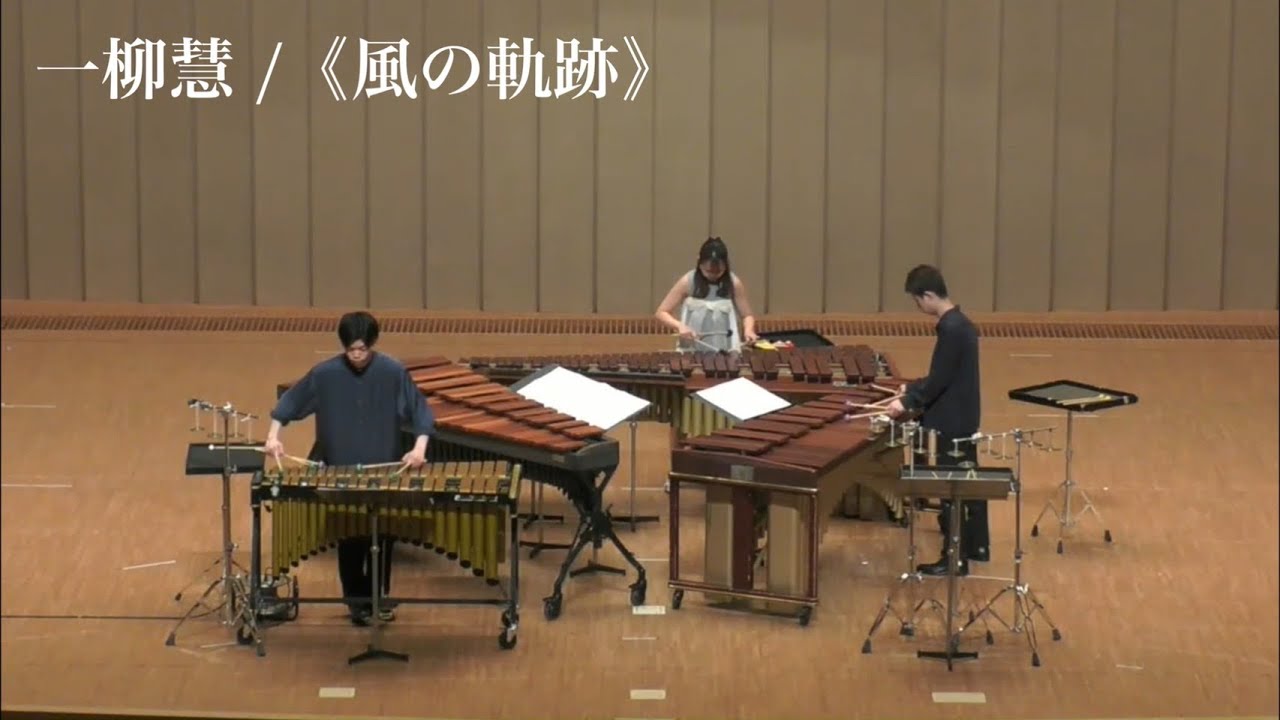
Achieving peak performance in Whisperborne requires more than just mechanical button inputs; it demands a sophisticated understanding of ensemble timing and percussive phrasing. By aligning your character’s rhythmic output with the structural cues found in the "Wind Trace" composition, you can maximize the duration of environmental buffs and resonance effects. This guide breaks down the essential coordination mechanics needed to master complex percussion sequences during high-stakes ensemble performances held at the Centennial Hall stage.
Coordinating Percussive Phrasing for Buff Efficiency
To succeed in Whisperborne performance challenges, you must treat your character’s actions as part of a larger percussive ensemble. The "Wind Trace" composition relies on shifting dynamics between primary strikers and secondary accompanists. When you initiate a rhythm sequence, focus on the interplay between the lead percussive strikes and the backing melody. Players who sync their inputs with the subtle pauses in the track—rather than spamming inputs—effectively extend their "Harmonic Resonance" state.
The core of this technique involves identifying the "Pulse Point" within the composition. During the mid-sequence of "Wind Trace," the rhythm fluctuates in intensity, requiring players to adjust their input speed dynamically. If you maintain a steady, measured tempo during these fluctuations, you prevent the "Performance Fatigue" debuff that often plagues players attempting high-difficulty scores. Focus on the interplay between the mallet strikes and the echoing soundscape to anticipate shifts in the tempo before they occur.
Mastering Chamber Ensemble Dynamics
The Whisperborne ensemble system functions best when players balance their individual output with the group's overall auditory profile. In the Centennial Hall performance mode, your primary objective is to maintain a consistent resonance frequency with your NPC partners. If one player strikes too forcefully or out of sync, the "Ensemble Integrity" meter drops, leading to significantly shorter buff windows and reduced resource rewards for the entire party.
To maintain integrity, follow these tactical pacing rules:
- Observe the Lead: Match the physical animation cycle of the lead performer; their movement is your primary visual cue for the next input, often preceding the audio cue by a fraction of a second.
- Dynamic Matching: When the composition enters a quieter passage, reduce your input frequency to mirror the ensemble’s reduced volume. Over-playing during soft segments is a common cause of "Dissonance" penalties.
- Group Phasing: Avoid overlapping your heavy percussive strikes with the group's main melodic swell; this creates audio dissonance that breaks the combo chain and resets your resonance multiplier.
Utilizing Silence as a Strategic Tool
Silence is an active component in the "Wind Trace" performance. Many players make the mistake of attempting to fill every second of the track with input, which results in a chaotic, inefficient performance. The source material demonstrates that the space between notes—the rests—is just as critical as the strikes themselves. By holding your position during these silent segments, you allow the "Environmental Resonance" to build up naturally.
These moments of silence serve as a cooldown for your character’s emotional meter. When you refrain from inputting during these specific pauses, you regain focus, allowing for a more impactful "Crescendo Strike" when the music resumes. This recovery period is essential for sustaining long performances, as it prevents the depletion of your performance stamina, ensuring you can finish the full track without a performance drop-off during the final, high-intensity movement.
Navigating the Centennial Hall Performance Layout
The physical layout of the Centennial Hall stage in Whisperborne introduces unique environmental acoustics that affect how your audio cues are processed by the game engine. The game calculates "Resonance Radius" based on your character’s position relative to the stage center. For optimal performance, players should position their characters within the central acoustic zone to ensure their percussive feedback is prioritized in the audio mix.
If you stray too far toward the wings of the stage, your audio cues will experience a slight delay, making it significantly harder to match the rhythmic requirements of "Wind Trace." Always prioritize your positioning before the performance starts. By securing a spot in the center, you minimize the "Audio Latency" penalty, allowing for tighter input windows and a higher probability of triggering the "Perfect Harmony" achievement during the event.
Troubleshooting Performance Timing Errors
When you encounter timing errors during a performance, it is rarely due to a lack of individual skill, but rather an issue with synchronized phasing. If your input rhythm feels misaligned, check the visual cues provided by the NPC performers. Their hand movements offer a frame-perfect guide for when to trigger your next input. If you are consistently failing, recalibrate your focus from the auditory track to the visual animation of the performers.
Finally, remember that the "Wind Trace" composition is designed to test your ability to adapt to changing tempos. During the final movement, the pace increases, requiring faster, more precise strikes. If you struggle here, focus on tapping the beat rather than trying to hit every individual note in the sequence. This "Simplified Rhythm" approach is often sufficient to maintain the resonance chain without triggering a performance failure. By mastering these timing nuances, you transform from a passive participant into an integral part of the Whisperborne concert experience.

Free Whisperborne Codes
Current active codes and how to redeem them.

Michael Smith
Michael covers live-service games, events, reward systems, and efficient daily routines, turning frequent updates into clear actions for players.
COMMUNITY
Player Comments
63 players commented on this guide.
The explanation is clear, especially for beginners.
I wish I had read this before upgrading the wrong thing.
This guide answered the exact question I had.
Good guide for Whisperborne players. The heroes part was useful.