
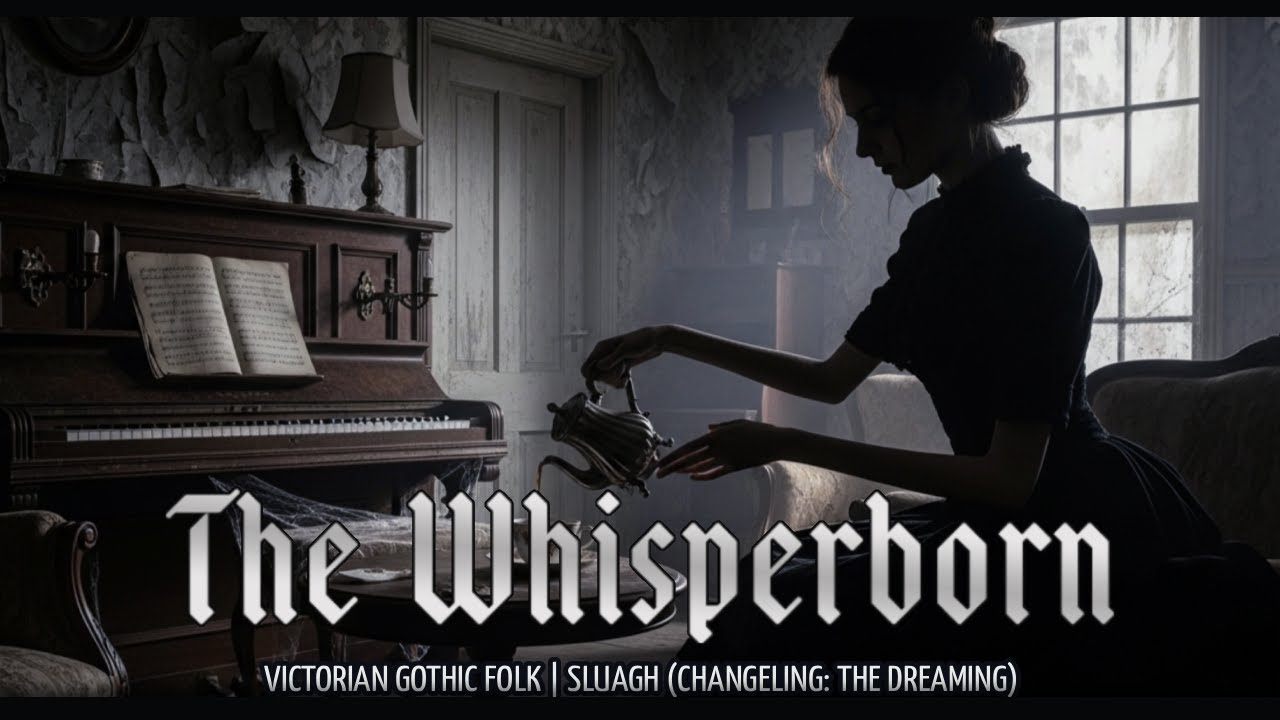
In Whisperborne, mastering the art of the "whisper" is the key to unlocking the Sluagh-inspired performance style, a sophisticated tactical approach that rewards subtlety over raw volume. By utilizing low-frequency vocalizations and precise acoustic timing, players can manipulate the game’s resonance engine to gain powerful buffs while remaining undetected by hostile NPCs. This guide explores how to leverage Sluagh-inspired cues to optimize your performance, navigate dangerous environments, and dominate high-difficulty encounters through acoustic stealth.
The Sluagh Aesthetic: Precision Over Power
The Sluagh archetype in Whisperborne is defined by its ability to exist in the periphery of the auditory landscape. Unlike traditional performance styles that rely on high-decibel output to buff allies or intimidate foes, the Sluagh style functions on a principle of "hidden intent."
When you adopt this style, your character’s vocalizations become breathy, low-frequency inputs that minimize your "auditory footprint." In game terms, this shifts the AI’s perception of your character. While a loud performance marks your location on the enemy radar, Sluagh-inspired whispers allow you to generate resonance—the game’s primary buff mechanic—without alerting guards or triggering defensive AI subroutines. To excel here, you must prioritize "Control" and "Acoustic Stealth" stats over "Volume" or "Radiance" gear.
Mechanics of Acoustic Stealth in Combat
Integrating whispered vocalizations into your combat rotation creates a "dampening field" that masks your offensive buildup. In Whisperborne, initiating a standard combat buff usually provides an audio cue that signals your intent to nearby enemies, allowing them to initiate counter-maneuvers. By weaving in Sluagh-inspired motifs, you obscure these cues.
Tactical Combat Advantages:
- Buff Masking: By layering whispers over your standard combat song, you can stack resonance effects—such as Evasion or Silence—without triggering an immediate enemy response.
- Debuff Infliction: Once your resonance meter reaches capacity, the whispered cues trigger a lingering debuff. Enemies within your proximity suffer from "Sensory Confusion," causing them to lose tracking accuracy for several turns.
- Strategic Stacking: Because whispered cues do not trigger the "Agitation" state in AI, you can chain these buffs repeatedly during a single encounter, effectively locking down elite enemies without ever breaking your stealth state.
Utilizing Environmental Echoes for Maximum Resonance
The efficacy of Sluagh-inspired performance is heavily dependent on the environment. The Whisperborne engine calculates acoustic decay, meaning your whispers behave differently depending on the architecture of the zone.
Optimizing Your Environment:
- Surface Interaction: Position your character near stone walls, metal pillars, or reflective surfaces. These materials "catch" your whispered cues and amplify their range without increasing your detectable volume.
- Echo Calibration: Pay attention to the natural ambient decay of the room. If you match the rhythm of your performance to the echo decay, you create a "Sustained Resonance Loop," which keeps your buffs active for 20% longer than standard inputs.
- Shadow Syncing: Always pair your whispers with low-light positioning. The Sluagh style benefits from a passive bonus when both sound and visibility are minimized, creating a synergetic effect that makes your character virtually invisible to lower-level NPCs.
Advanced Performance Strategies: When to Whisper
While the Sluagh-inspired approach is arguably the most powerful tool for tactical play, it is not a "one size fits all" solution. Understanding the trade-offs is critical to high-level mastery.
Performance Trade-offs:
- Localized Impact: Sluagh-style whispers lack the area-of-effect (AoE) potential of standard, loud performances. If you are playing a support role in a party, you will not be able to buff allies across a large battlefield. This style is best suited for solo play, scouting, or high-value target assassination.
- The Noise Pollution Limitation: Environmental noise is your greatest enemy. In zones with high-traffic—such as bustling markets, stormy weather events, or combat encounters involving heavy machinery—the game’s audio processing cannot clearly distinguish your whispered inputs. In these conditions, your resonance generation will drop by nearly 60%.
Expert Tip: Always keep a "High-Volume" backup instrument or vocal preset in your inventory. If the environment becomes too noisy for whispers, swap your gear immediately to pivot to a standard, high-volume performance style to ensure your resonance meter does not deplete during critical moments.
Common Mistakes to Avoid
Many players attempting the Sluagh style fail because they treat it like a passive stealth mode. To truly master this, remember that it is an active performance style, not an invisibility cloak.
- Over-Reliance on Silence: Do not stop performing entirely. The Sluagh style requires constant, low-level input to maintain the resonance buffer. If your performance stops, your evasion buffs will decay instantly.
- Neglecting Rhythm: Because the cues are quiet, it is easy to lose the rhythmic beat of the game. Use the visual metronome UI element in Whisperborne to ensure your whispers remain synced, as desynchronized whispers provide no resonance at all.
- Ignoring NPC Aggro Ranges: Even with low volume, standing directly in front of an NPC will break your stealth. Sluagh-inspired performance allows you to operate at closer ranges than usual, but you must still respect the detection cones of your enemies.
Conclusion: Mastering the Silence
The Sluagh-inspired performance style in Whisperborne rewards players who take the time to learn the nuances of the game's sound engine. By mastering the balance between acoustic stealth, environmental positioning, and precise rhythmic input, you can navigate the Wyrdwood as a ghost, buffing yourself to god-like levels while your enemies remain completely unaware of your presence. Reserve this style for high-stakes missions where stealth is the difference between victory and defeat, and use the environment to turn the game's own sound engine against your foes.

Free Whisperborne Codes
Current active codes and how to redeem them.

James Brown
James focuses on Android gaming on PC, emulator setup, controls, performance tuning, and practical troubleshooting for longer play sessions.
COMMUNITY
Player Comments
141 players commented on this guide.
The tips are practical and easy to follow.
Can you add more details about strategy in a future update?
I wish I had read this before upgrading the wrong thing.
This saved me time in the early game.