
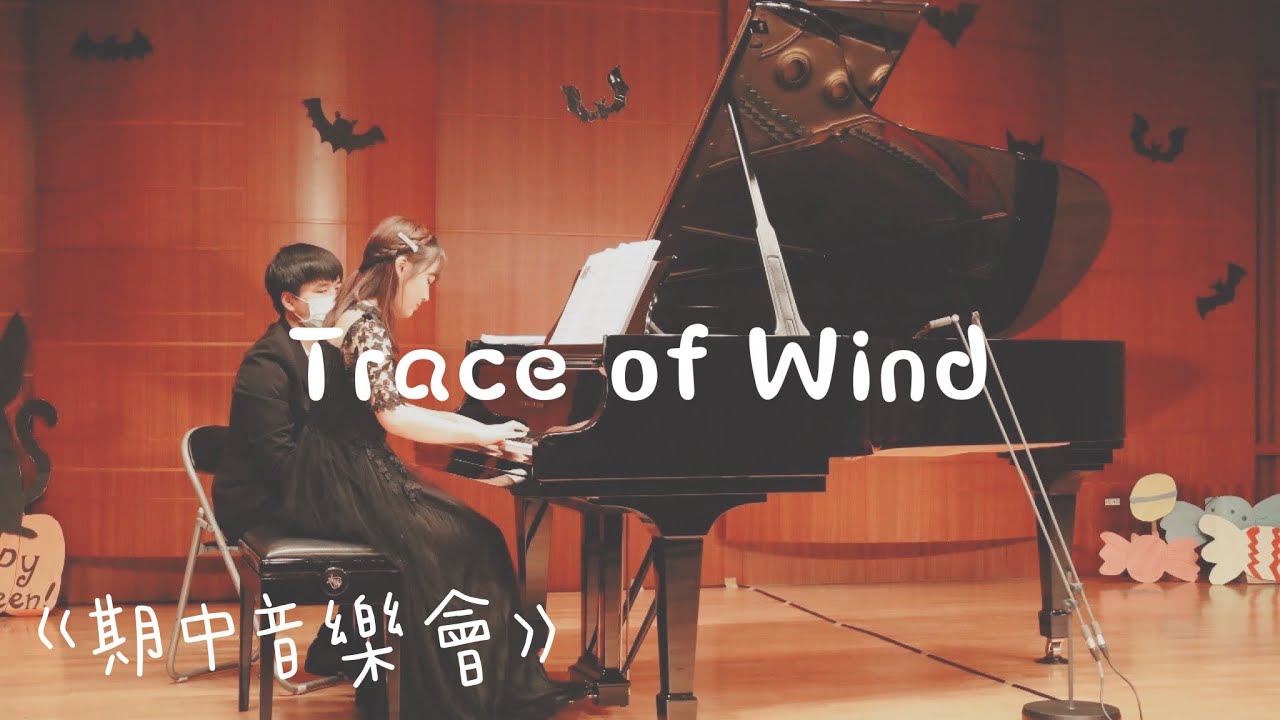
To master the Trace of Wind performance in Whisperborne, players must transcend simple button-mashing and instead focus on the rhythmic synchronization of the V.K.克 arrangement. This musical mechanic requires players to align their interactive inputs with the shifting tempo and emotional peaks of the melody. Success in this event relies heavily on identifying the underlying structural changes in the composition, which dictate the timing windows for high-scoring input sequences during the performance phase.
Decoding the Trace of Wind Rhythmic Structure
The Trace of Wind performance is fundamentally built around the V.K.克 arrangement, which utilizes complex phrasing and dynamic shifts. Understanding the structure of the piece is the first step toward achieving a high performance score. The melody is divided into distinct segments where the tempo fluctuates to mirror the thematic elements of the wind.
Players should listen for the transition points where the piano melody shifts from a legato, flowing style to a staccato, rhythmic pulse. These transitions are your primary indicators for input timing. When the melody becomes sparser, the input windows are wider, allowing for deliberate, calculated button presses. As the composition builds in intensity, the window tightens significantly. Pro players focus on the melodic arc rather than just visual cues on the screen to anticipate the acceleration of the beat. By internalizing the "breathing" rhythm of the piece, you can stay ahead of the visual indicators.
Optimizing Input Precision During Dynamic Shifts
Performance scores in Whisperborne are heavily influenced by the accuracy of your input during high-intensity sequences. As the arrangement progresses, the Trace of Wind composition introduces cross-rhythms—patterns that sit against the primary beat. To maintain your combo multiplier, you must prioritize the dominant rhythmic pulse even when the melodic line feels deceptive.
Follow these steps to optimize your input precision:
- Isolate the Bassline: Listen to the lower register of the piano arrangement to establish the consistent temporal anchor for your inputs. This provides a steady metronome feel that persists even during complex treble runs.
- Anticipate Syncopation: Be prepared for sudden rhythmic pauses that precede the most rewarding segments of the song. These gaps are often where players lose their combo; hold your nerves and wait for the downbeat.
- Calibrate Input Latency: If your inputs feel consistently "late" or "early," adjust your global audio delay settings specifically for musical minigames. Even a 50ms discrepancy can ruin a perfect run.
- Focus on the "Wind" Motifs: The composition repeats specific melodic motifs. Learning these patterns allows you to rely on muscle memory rather than raw reaction time.
Managing Performance Fatigue and Cognitive Load
The Trace of Wind event requires sustained concentration, as the piece is significantly longer than standard Whisperborne combat encounters. Over-relying on visual cues can lead to "input fatigue," where players begin to react to the screen rather than the music, leading to jittery or imprecise inputs.
To counteract this, shift your focus to the melodic peaks within the composition. These peaks act as natural "breathers" where you can reset your focus before the next difficult input section begins. Remember, the scoring system in Whisperborne rewards the completion of melodic phrases rather than every individual minor note. If you find yourself struggling with a fast-paced piano run, prioritize the "downbeat" notes—the strong pulses of the melody. This strategy preserves your combo multiplier and ensures you remain in the performance flow without risking a complete break in your combo count.
Leveraging V.K.克 Arrangements for Reward Scaling
The V.K.克 arrangement is not merely a stylistic choice; it acts as a tiered difficulty map for the event rewards. Players who successfully navigate the most complex sections of the arrangement—marked by rapid, high-frequency note clusters—unlock higher reward brackets. These rewards include essential materials for character resonance upgrades that are not easily obtained through standard exploration or combat.
To maximize your yield:
- Prioritize Perfect Inputs: Focus your accuracy on the late-stage sections of the composition where score multipliers are at their highest. A perfect run in the finale is worth significantly more than a perfect start.
- Study the Phrasing: The composition follows a recurring motif. Once you learn the pattern of the wind-themed motifs, you can predict the incoming input sequence before it appears on screen, allowing you to "pre-load" your hand positioning.
- Utilize Audio Cues: If available, perform the track with high-fidelity headphones. The spatial separation of the piano keys in the V.K.克 arrangement provides subtle directional cues that help in identifying which side of the UI the next interaction will appear on.
- Practice in Segments: Treat the song like a boss fight. If you fail at a specific section, stop and re-listen to that part of the track. Identifying the "why" behind a missed note—whether it was a syncopated beat or a tempo ramp—is the fastest way to improve.
Common Mistakes and How to Avoid Them
Even experienced players often fall into traps that limit their potential scores in Whisperborne. Avoiding these common mistakes is essential for climbing the leaderboard:
- Ignoring the Audio: The most common error is playing on mute or with distracting background noise. The visual cues are secondary to the audio in this mode; always prioritize the music.
- Tensing Up: During high-intensity sections, many players grip their controller or touch their screen too hard. Tension reduces reaction speed. Stay loose and keep your fingers hovering close to the input zones.
- Ignoring the Reward Tiers: Many players focus only on finishing the song. However, the game tracks "Perfect" vs. "Great" inputs. If you are farming materials, focus on maintaining the combo multiplier rather than simply hitting the notes. A broken combo is the biggest threat to your total score.
By mastering the rhythmic structure of the V.K.克 composition and treating the Trace of Wind event as a test of musicality rather than just a button-pressing challenge, you will consistently secure top-tier rewards in Whisperborne. Focus on the downbeats, keep your rhythm steady, and let the music dictate your playstyle.

Free Whisperborne Codes
Current active codes and how to redeem them.

Emily Johnson
Emily writes practical mobile strategy guides with a focus on resource planning, base progression, and the early decisions that shape a long-term account.
COMMUNITY
Player Comments
66 players commented on this guide.
Nice guide. I am checking the other Whisperborne articles next.
Good guide for Whisperborne players. The updates part was useful.
Can you add more details about updates in a future update?
This helped me understand updates much better.