
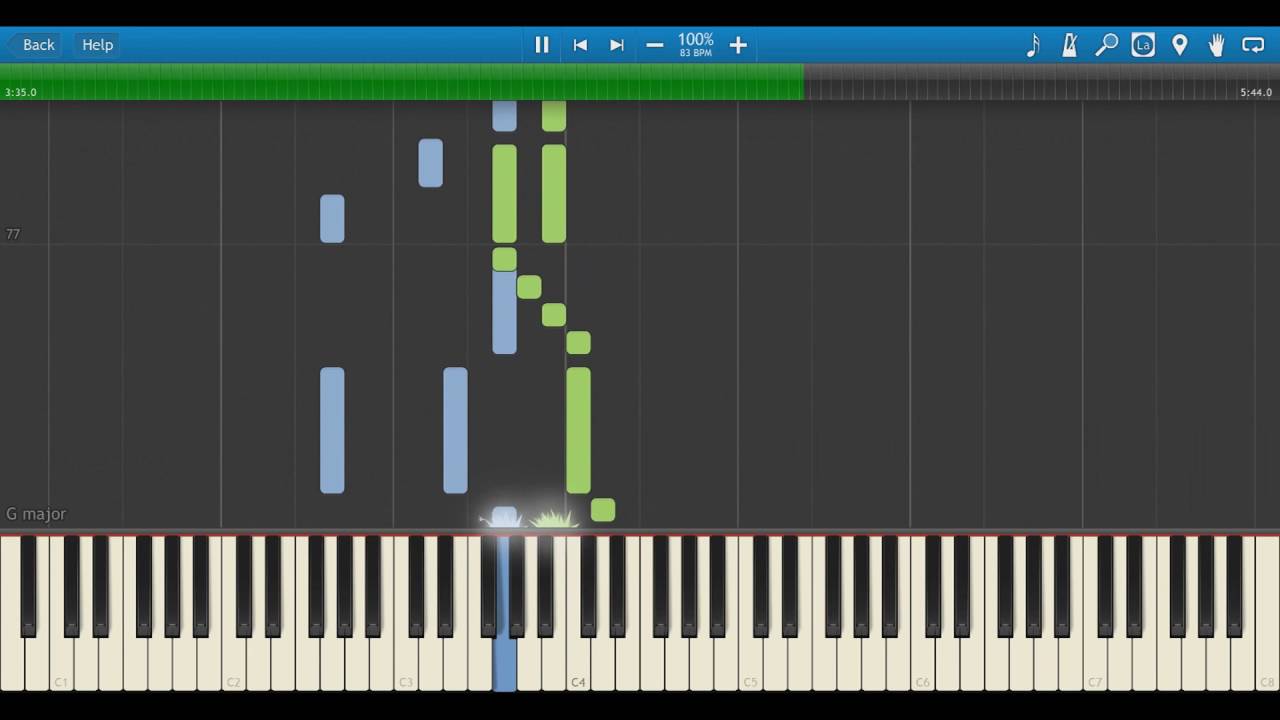
The "Trace of Wind" piano sequence in Whisperborne stands as one of the most elegant yet demanding skill-checks for players. Unlike standard combat encounters, this musical sequence requires a blend of pattern recognition, rhythmic timing, and precise input execution. Mastering this piece isn't just about hitting buttons; it is about synchronizing your inputs with the visual cascade to trigger atmospheric resonance effects that unlock unique in-game rewards.
Whether you are looking to perfect your run for a leaderboard spot or simply want to clear the sequence to progress the narrative, understanding the mechanics of the "Trace of Wind" display is essential for success.
Understanding the Visual Note Cascade Mechanics
The core of the "Trace of Wind" performance utilizes a Synthesia-style visual interface where note blocks descend toward a fixed input threshold. To succeed, you must shift your mental focus from the top of the screen to the "hit zone" at the bottom.
- The Hit Zone Strategy: Do not track the notes from the top of the screen. Instead, lock your eyes on the input threshold. By focusing on the line where the notes intersect, you allow your brain to process the visual signal and convert it into a motor command at the exact moment of impact.
- Anticipating Clusters: The sequence often presents notes in grouped clusters or arpeggios. Train your eyes to look slightly "ahead" of the hit zone to identify these clusters before they arrive. Recognizing a triplet or a rapid-fire sequence of four notes will allow you to position your fingers in advance, preventing the frantic scrambling that often leads to dropped inputs.
Synchronizing Timing with Musical Phrasing
"Trace of Wind" is composed with a specific melodic structure that influences how the notes appear on screen. The song transitions from gentle, sparse piano passages to dense, rapid-fire sections during the bridge and chorus.
- Internalize the Tempo: Before trying to perfect your inputs, listen to the track. Whisperborne uses the audio track as the primary clock for the visual notes. If you can hum the melody, your internal metronome will help you predict note density spikes.
- Prioritize Accuracy over Speed: The game’s resonance engine rewards consistency. A single missed note can break your combo chain, which significantly lowers your performance rank. During high-density sections, resist the urge to mash keys; instead, maintain a steady, metered pace that matches the phrasing of the music.
- The Resonance Chain: Maintaining the resonance chain is your primary objective. This mechanic builds a multiplier that increases your score and maximizes the atmospheric effects triggered by a perfect performance.
Essential Finger Placement and Dexterity Tips
Effective finger placement is the difference between a fluent performance and one marred by input lag or physical fatigue. Because "Trace of Wind" spans a wide register of the piano interface, you must optimize your hand movement to minimize travel time.
- The Anchor Method: Identify specific keys that act as "home base" anchors. These are usually the tonic or dominant notes in the melody. After executing a complex run or an octave jump, always return your hand to a neutral, centered position to prepare for the next phrase.
- Relaxation is Key: Tensed fingers and wrists are the enemies of speed. If you feel your hands tightening, force a momentary relaxation between musical phrases. Fluid, loose movements are faster and more accurate than rigid, high-tension strikes.
- Independent Hand Usage: If the Whisperborne control scheme allows, practice using both hands to cover different sections of the piano interface. Dividing the workload prevents one hand from becoming overworked during long, sustained melodic lines.
Troubleshooting Common Performance Errors
Even veteran players encounter roadblocks when tackling the "Trace of Wind" sequence. If you find your performance consistently falling short, address these common technical and mechanical pitfalls.
The "Over-Correction" Trap
Many players panic after missing a single note, attempting to rush the following notes to "catch up" to the music. Do not do this. The game engine expects the notes to fall in time with the audio. If you miss a note, accept the point loss and immediately reset your rhythm to the audio track. Trying to recover manually will only cause you to desynchronize further, leading to a cascade of missed inputs.
Latency and Calibration
Because this sequence relies on rhythmic precision, even a 20ms delay in your display or audio output can ruin your performance.
- Check Input Calibration: Visit the Whisperborne settings menu to ensure your input latency is calibrated. Most modern gaming monitors and audio setups have a slight delay; running the game's calibration tool will align the visual cascade with your actual button presses.
- Minimize Distractions: Ensure you are playing in a stable environment where you can focus entirely on the audio-visual feedback.
Strategy Summary for Success
To summarize your approach for mastering "Trace of Wind":
- Practice the Intro: Use the slow sections to calibrate your timing against the visual hit line.
- Identify Patterns: Look for repeating motifs in the sheet music, which often translate to repeated finger patterns in the game.
- Hold Long Notes: Sustained notes are the "anchors" of the resonance meter. Never release these early; holding them for their full duration is vital for reaching the highest possible performance rank.
- Analyze Mistakes: If you consistently miss a specific section, slow down your input speed and focus on the note spacing until the movement becomes part of your muscle memory.
By treating the "Trace of Wind" not merely as a game mechanic, but as a musical performance, you will find it significantly easier to navigate the complexities of this sequence. With consistent practice and an emphasis on rhythmic integrity, you will unlock the full potential of this Whisperborne challenge.

Free Whisperborne Codes
Current active codes and how to redeem them.

James Brown
James focuses on Android gaming on PC, emulator setup, controls, performance tuning, and practical troubleshooting for longer play sessions.
COMMUNITY
Player Comments
126 players commented on this guide.
This saved me time in the early game.
I wish I had read this before upgrading the wrong thing.
Good guide for Whisperborne players. The strategy part was useful.
Nice guide. I am checking the other Whisperborne articles next.