
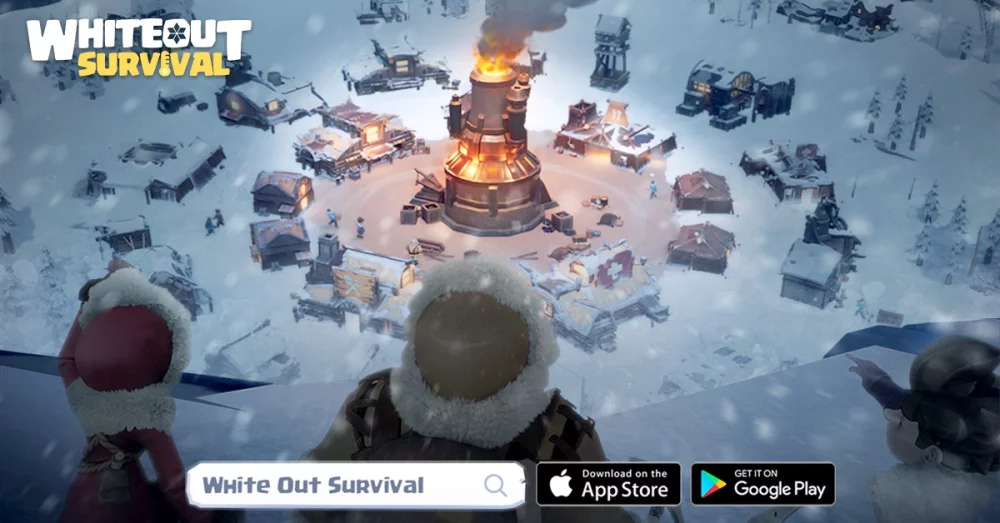
In Whiteout Survival, the most significant factor determining your combat effectiveness is not just your hero levels, but your alignment with the game’s hero release timeline. Because Whiteout Survival follows a strict generation-based power creep model, spending your limited shards and recruitment keys on outdated units is the fastest way to stagnate. To stay competitive in high-stakes alliance combat and arena rankings, you must transition from reactive spending to a proactive, timeline-aware strategy.
Understanding the Hero Generation System
Whiteout Survival releases heroes in distinct "generations" or "Gen" cycles. Each new generation introduces heroes with significantly higher base stats and more complex skill sets that render previous generations less effective in both PvE and PvP.
If you are a free-to-play or low-spending player, you cannot afford to "max out" every hero. Instead, you must treat your account as a long-term investment portfolio. When a new generation drops, the previous generation generally shifts from "Meta" to "Support" or "Secondary/Garrison" status. Understanding this lifecycle prevents the common mistake of over-investing in a hero whose utility is about to be eclipsed by a newer, more potent unit.
The Strategy of Resource Hoarding
The core of efficient Whiteout Survival progression is identifying the "dead zones"—the weeks between major hero releases where you should be aggressively hoarding rather than spending.
- Stop Pulling Early: If you are nearing the end of a generation's life cycle, stop using your recruitment keys. Save them for the "Hero Growth" events associated with the next generation.
- Evaluate the "Meta Shift": Always research the abilities of the upcoming generation before committing shards. A hero might look powerful in a vacuum, but if their skill set overlaps with a hero you already have, it may be more efficient to skip them and save for a future "must-have" unit.
- The "Key" Rule: Never spend universal shards on heroes that can be acquired through the standard recruitment pool unless you are extremely close to an important star-level milestone (like 3-star or 5-star unlocks).
Prioritizing Hero Utility vs. Raw Power
Not every hero in Whiteout Survival needs to be at max level to be useful. Distinguishing between "Main March" heroes and "Utility" heroes is essential for resource management.
- Main March Heroes: These are your damage dealers and primary tanks. These heroes must be from the latest available generation to keep your power level competitive in rallies and arena combat.
- Utility/Garrison Heroes: Heroes that provide passive buffs to gathering, resource production, or specific city defense bonuses do not always need to be the latest meta. You can safely keep these heroes at lower investment levels, focusing your resources instead on your frontline combat units.
Evaluation Criteria Table
| Criteria | Focus for Main Heroes | Focus for Utility Heroes |
|---|---|---|
| Generation | Always latest available | Older generations are fine |
| Star Level | Aim for 5-star / Awakening | Minimal investment required |
| Skill Priority | Max out all active skills | Only level passive buffs |
| Resource Sink | High (Shards/Speedups) | Very Low |
Navigating the Progression Timeline
To stay ahead, you must treat the game as a series of distinct phases. If you are in an early-game server, do not waste resources trying to catch up to end-game meta. Focus on the heroes currently available in your specific server’s timeline.
Common Mistakes to Avoid
- Chasing Every Banner: Trying to pull every new hero that releases will leave you with a roster of mediocre, low-star heroes. It is far better to have one "maxed-out" powerhouse squad than five "average" squads.
- Ignoring Events: Hero releases often coincide with server events that offer bonus shards. Always time your major spending for these events to maximize the value of your recruitment keys.
- Neglecting Synergy: A team of high-tier heroes that do not synergize (e.g., mismatched troop types or conflicting skill buffs) will lose to a well-synergized team of slightly older heroes. Check your hero skills to ensure your frontline tank, support, and DPS units work together.
Decision-Making: When to Pivot
A critical skill for any Whiteout Survival player is knowing when to abandon an old hero. If you have a Gen 1 hero at 5 stars, and a Gen 3 hero arrives, should you swap?
The answer is usually yes for PvP. Even a 2-star or 3-star hero from a newer generation will often outperform a 5-star hero from two generations prior due to the sheer scaling of their stats. However, if your Gen 1 hero is awakened or has significant gear investment, hold onto them for secondary marches or defensive garrison duties. Never fodder your old heroes; simply move them to a supporting role.
Final Thoughts on Long-Term Growth
The game’s meta is dynamic, and the timeline moves quickly. By maintaining a disciplined approach to your shards and keys, you ensure that when a truly "game-breaking" hero arrives, you have the resources ready to instant-max them.
Always keep an eye on official announcements and community tier lists to see which heroes are projected to remain relevant for the longest time. A hero that provides crowd control or team-wide shielding usually stays in the meta much longer than a pure damage dealer, as raw damage numbers are the first thing to be power-crept by newer, higher-stat units. Stay patient, hoard during the lulls, and strike when the meta shifts.

Free Whiteout Survival Codes
Current active codes and how to redeem them.

Sarah Williams
Sarah specializes in RPG and collection games, explaining team building, character growth, and beginner-friendly ways to avoid expensive early mistakes.
COMMUNITY
Player Comments
128 players commented on this guide.
Nice guide. I am checking the other Whiteout Survival articles next.
This helped me understand resources much better.
The tips are practical and easy to follow.
Can you add more details about resources in a future update?