
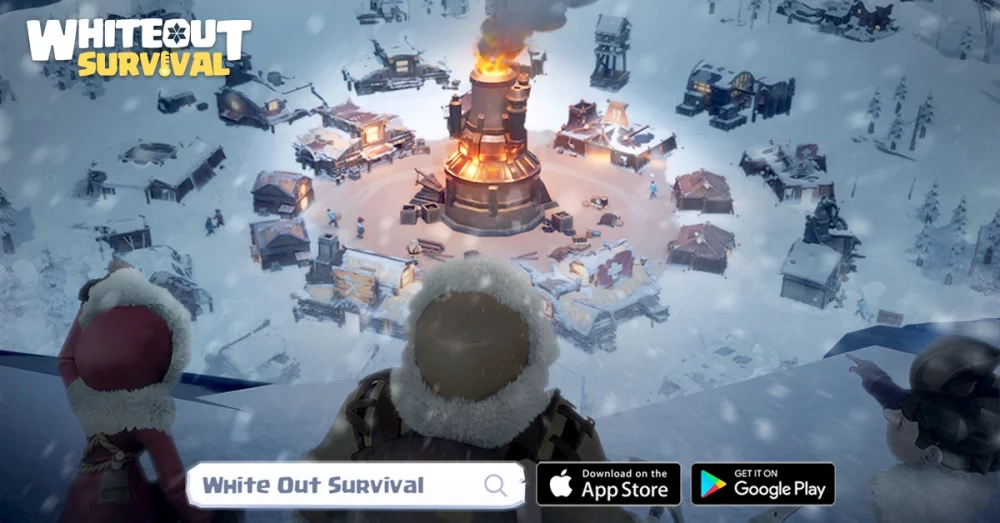
In Whiteout Survival, Cross-State battles represent the pinnacle of alliance cooperation and strategic planning. Unlike standard daily skirmishes, these events require precise timing, communication, and a deep understanding of how to manage massive troop deployments across a theater of war.
The Importance of Alliance Synergy
Successful cross-state engagements are rarely won by individual power alone. Even high-spending players can be overwhelmed if they lack the support of their alliance. Coordinating movements ensures that you can maximize your presence on the map while minimizing unnecessary losses.
- Rally Synchronization: Large-scale battles often hinge on timed rallies. Ensure your alliance leaders are communicating start times so that participants can join without delay.
- Target Prioritization: Focus on neutralizing key enemy positions or reinforcing critical objectives rather than engaging in random skirmishes that drain your stamina and troop reserves.
- Role Assignment: Divide your alliance members into specific roles—some players should focus on holding tiles, while others act as "hit squads" to clear threats or reinforce rallies.
Managing Troop Resilience in Large Battles
Large-scale combat consumes resources and troops at an accelerated rate. Maintaining your combat effectiveness throughout the event is crucial for long-term success.
| Strategy Component | Focus Area |
|---|---|
| Troop Preservation | Avoid unnecessary solo attacks against fortified enemies. |
| Healing Efficiency | Keep your infirmary capacity in mind; ensure you have enough speed-ups and resources to maintain a constant healing cycle. |
| Buff Management | Activate combat-oriented buffs before the height of the battle to maximize your stats during critical windows. |
Tactical Positioning on the Tundra
The map layout in cross-state events changes the way you approach movement. Staying mobile is essential for reacting to enemy shifts.
- Avoid Static Defense: Do not leave your troops stationary in high-traffic zones if you are not actively defending a structure. Use teleports to stay near the action without becoming an easy target.
- Scout Before Engagement: Before launching a major rally or individual assault, ensure your scouts have identified the current troop composition of the target.
- Reinforcement Cycles: If you are defending a key structure, rotate reinforcements frequently to ensure the garrison stays at maximum capacity. This prevents the enemy from finding a weak point in your defense.
Communication During High-Stakes Combat
The chaos of cross-state battles makes clear communication vital. Relying on in-game pings and alliance chat is often insufficient for high-level coordination.
- Voice Comms: If your alliance uses Discord or other voice platforms, utilize them for real-time adjustments during the heat of battle.
- Leadership Command: A single point of command should decide when to push forward and when to pull back. Confusion between members often leads to wasted resources and failed objectives.
- Post-Battle Review: After the event, analyze what worked and what didn't. Did your alliance struggle with rally timing? Was troop composition optimized for the specific objectives? Reflecting on these points will improve your performance in the next cross-state event.
By focusing on these structural elements—synchronization, resource management, and high-level communication—you can turn the tide in your favor during even the most intense Whiteout Survival cross-state conflicts.

Free Whiteout Survival Codes
Current active codes and how to redeem them.

Sarah Williams
Sarah specializes in RPG and collection games, explaining team building, character growth, and beginner-friendly ways to avoid expensive early mistakes.
COMMUNITY
Player Comments
96 players commented on this guide.
This helped me understand updates much better.
Can you add more details about updates in a future update?
This saved me time in the early game.
The tips are practical and easy to follow.