
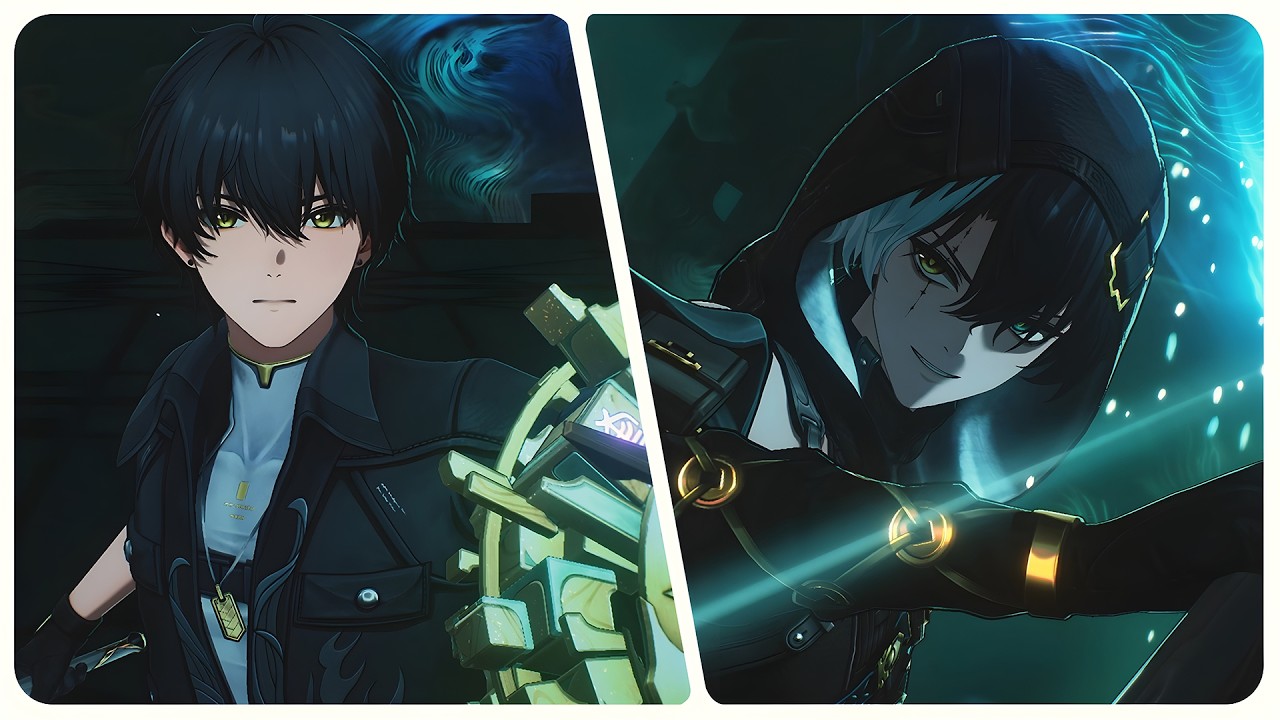
The duel between Jingran and the Rover in Wuthering Waves Version 3.6 is a defining moment in the "Song of the Heart Sword" questline (Chapter 4, Act 3). While this encounter plays out primarily as a high-fidelity cinematic sequence rather than a traditional combat boss fight, understanding its mechanics, choreography, and narrative placement is essential for any player looking to fully grasp the stakes of the current story arc.
To get the most out of this encounter, you must treat it as a synthesis of mechanical design and character-driven storytelling. This guide breaks down the visual cues, narrative pacing, and strategic importance of this confrontation to ensure you don't miss the subtle details that define the future of the Rover's journey.
The Significance of the "Song of the Heart Sword" Duel
In Wuthering Waves, the encounter between Jingran and the Rover represents a critical intersection of political tension and personal growth. As you progress through Chapter 4, Act 3, the narrative establishes a mounting conflict that necessitates a direct confrontation. Unlike standard open-world mob encounters, this duel is a narrative milestone.
It acts as an emotional payoff for the preceding quest stages, highlighting the shifting power dynamics within the region. Players should recognize that this duel is designed to demonstrate character motivations that standard dialogue boxes cannot fully convey. By focusing on the interplay between Jingran’s martial philosophy and the Rover’s evolving identity, you gain a clearer picture of why the protagonist's involvement in local affairs has reached this boiling point.
Analyzing Combat Cues and Visual Storytelling
Wuthering Waves uses specialized cinematic direction during this fight to convey weight and kinetic energy. To fully appreciate this sequence, you should pay attention to several key visual elements that differentiate it from typical gameplay:
- Camera Choreography: The camera shifts to dynamic angles that emphasize the impact of each strike. This is a deliberate choice by the developers to showcase the "Heart Sword" technique, providing a visual blueprint for the intensity of high-level combatants in the game’s lore.
- Environmental Feedback: Note how the environment reacts to the clash of energies. These environmental shifts are not merely decorative; they signify the immense power level of the participants, grounding the cinematic narrative in the physical reality of the world.
- Kinetic Transitions: The transition from gameplay-ready movement to scripted cinematic movement is seamless. Players who observe these transitions can better anticipate how the game handles boss-to-cinematic handoffs in future updates.
For the best experience, ensure your graphics settings—specifically particle effects and lighting—are set to high. The clash between these two characters is heavily dependent on visual clarity to convey the emotional "weight" of their swordsmanship.
Navigating Narrative Pacing in Version 3.6
The "Song of the Heart Sword" quest follows a rigorous structure of action followed by exposition. The Jingran versus Rover duel serves as the "breaking point" of the act. Players often make the mistake of rushing through the lead-up or the immediate aftermath of this fight, missing the critical exposition provided by the NPCs present.
How to Maximize Narrative Engagement:
- Do Not Skip: The dialogue immediately preceding the duel sets the ethical stakes. If you skip this, the impact of the sword clash is reduced to mere visual spectacle.
- Contextualize the Stance: Observe Jingran’s posture. It is a calculated, disciplined stance that contrasts sharply with the Rover’s more fluid, reactive combat style. This contrast is the primary way the game tells the story of their differing ideologies without saying a word.
- Reflect on the Aftermath: The conclusion of the duel triggers a shift in how other NPCs treat the Rover. Pay attention to the subtle changes in dialogue options following this fight, as it marks the point where the protagonist is no longer a guest, but a central player in the regional political landscape.
Strategic Preparation for Future Narrative Clashes
The Jingran vs. Rover encounter is a preview of the evolving complexity of Wuthering Waves story quests. As the game expands, we expect to see more of these "narrative-heavy" combats where your mechanical skill is secondary to your awareness of the scene’s intent.
Key Takeaways for Future Encounters:
- Mastering the "Flow": Future bosses will likely incorporate similar cinematic sequences during health-gate transitions. Learning to read the "cues" in this specific duel will help you stay focused during high-pressure boss fights where the screen becomes visually cluttered.
- Character Stance Recognition: By studying Jingran’s movements, you learn to identify the "tells" of top-tier martial artists in the game. This observational skill is directly transferable to other high-difficulty content, such as the Tower of Adversity, where recognizing an enemy's animation cycle is key to survival.
- Thematic Integration: Always consider the "Why" behind a fight. Wuthering Waves uses its combat mechanics to reinforce the story. If a fight feels "heavy" or "choreographed," it is usually because the story requires a specific emotional outcome that a standard hack-and-slash encounter cannot provide.
Common Mistakes to Avoid
Players often treat this encounter like a standard farmable boss fight. This leads to several missed opportunities:
- Ignoring the Visual Language: Many players focus solely on the health bars or the UI. During this specific sequence, the UI takes a backseat to the animation. Turn off your HUD if you want to fully immerse yourself in the choreography.
- Missing the Environmental Clues: The destruction of the arena during the fight serves as a narrative tool. If you aren't paying attention to the environment, you miss the lore implications of how powerful "The Heart Sword" actually is.
- Underestimating the Dialogue: The post-duel interaction is just as important as the combat itself. The "Song of the Heart Sword" title is not just poetic—it is a literal reference to the mechanics being used during the duel.
Conclusion: A Masterclass in Narrative Combat
The duel between Jingran and the Rover is a hallmark of Wuthering Waves commitment to high-quality, story-rich content. By treating this encounter as a milestone rather than a hurdle, you gain a deeper understanding of the game's world-building and the specific character arcs driving the Version 3.6 update.
Whether you are a newcomer to the Wuthering Waves universe or a veteran player tracking the meta, mastering the rhythm of these cinematic duels is essential. Pay attention to the visual cues, respect the narrative pacing, and take the time to analyze the character stances. Doing so will transform your experience from a simple quest completion into a deeper, more rewarding appreciation of the Wuthering Waves narrative.

Free Wuthering Waves Codes
Current active codes and how to redeem them.

Michael Smith
Michael covers live-service games, events, reward systems, and efficient daily routines, turning frequent updates into clear actions for players.
COMMUNITY
Player Comments
61 players commented on this guide.
Nice guide. I am checking the other Wuthering Waves articles next.
Can you add more details about strategy in a future update?
This saved me time in the early game.
This helped me understand strategy much better.