
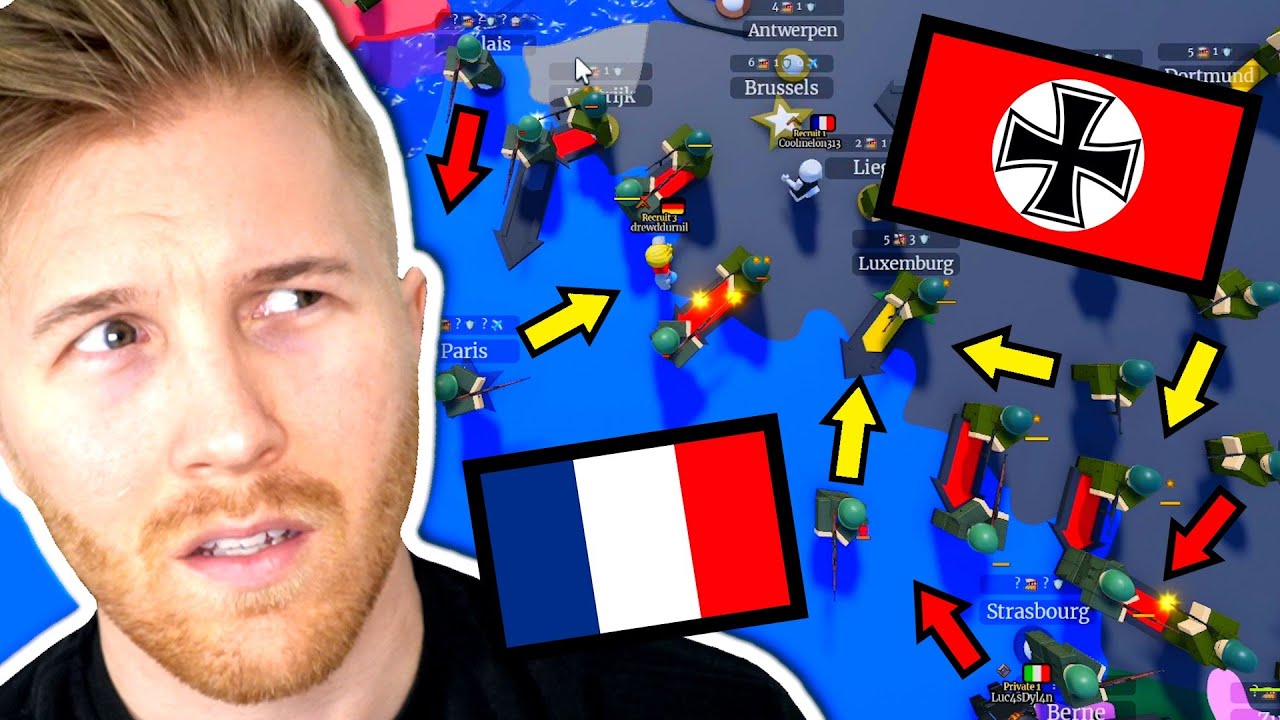
Success in WW2: Strategy World War Games requires more than just raw military power; it demands a deep understanding of grand strategy, geopolitical maneuvering, and logistical efficiency. To dominate the European theater from 1939 to 1945, you must treat your nation as a complex machine where diplomacy, industry, and combat tactics are inextricably linked. This guide provides the expert insights necessary to optimize your campaign, manage your resources, and lead your armies to victory.
Mastering the Political Interface for Faction Alignment
In WW2: Strategy World War Games, your diplomatic stance acts as the foundation for your entire campaign. Rather than rushing into conflict, you must leverage the political interface to align with powerful factions. This is not merely cosmetic; faction membership provides critical bonuses to resource stability and protects you from early-game encirclement.
- Ideological Alignment: Early in the game, assess your nation’s ideological leaning. Aligning with a dominant faction provides access to shared technology and defensive guarantees.
- Tension Management: Keep a close watch on global tension. When tension is low, focus entirely on internal industrial growth. As tension rises, shift your political influence points to secure defensive pacts with smaller, neutral states. This creates a "buffer zone" that prevents larger powers from attacking you directly.
- Influence Strategy: Use political power to sway neutral nations toward your ideology. A well-timed diplomatic shift can bring a resource-rich neighbor into your sphere of influence without the cost of a full-scale invasion.
Executing Precise Territorial Expansions
Expansion is the engine of growth, but reckless aggression leads to disastrous global blowback. You must use the game’s claims system to justify war goals systematically. Attempting to annex territory without a formal claim results in massive diplomatic penalties that can cause your trade partners to desert you.
When planning your expansion, follow these tactical priorities:
- Analyze Political Ties: Only target nations with weak or non-existent alliances to avoid triggering a multi-front war against a superpower.
- Infrastructure Priority: Focus on capturing provinces with high-level infrastructure. These regions allow for faster unit deployment and provide the logistics needed to sustain an offensive deep into enemy territory.
- Coordination: Always time your declarations of war to coincide with the completion of national focus trees that grant specific combat bonuses. This ensures your army is at its peak strength exactly when you engage the enemy.
Balancing Industrial Output and Resource Management
The industrial output of your nation determines how long you can sustain a war. You must carefully balance your civilian and military production to ensure you don't stall in the mid-game.
- The Civilian-Military Pivot: Spend the first phase of your game building civilian factories. While they do not produce units, they accelerate your construction speed and research rates. Once your industrial base is established, pivot all new construction toward military factories to meet the demands of a total war economy.
- Strategic Trade: You do not need to own every resource to win. If you lack steel or fuel, use the trade interface to import them from neutral or allied nations. This is often more cost-effective than conquering a province just for a single resource node. By trading, you maintain your diplomatic standing while focusing your military production on the most efficient units for your playstyle.
Utilizing Faction Focus Trees for Strategic Advantages
The unique focus trees in WW2: Strategy World War Games are the key to unlocking your nation’s true potential. These trees are not just narrative; they provide permanent modifiers that define your strategic identity.
- Alignment of Research and Focus: Never research a military branch (such as tanks or aircraft) before reviewing your upcoming focus tree. Often, a focus will grant a massive research bonus or a reduction in production costs. Aligning these milestones allows you to outpace your opponents in technological advancement, often resulting in superior equipment on the battlefield.
- Path Selection: Choose a path that fits your geography. If you are a landlocked nation, prioritize infantry and artillery bonuses. If you are an island nation or have a significant coastline, prioritize your navy and air force early in your focus tree.
Terrain Tactics: Bridges, Bunkers, and Roadblocks
Once the war begins, your success depends on your mastery of terrain. WW2: Strategy World War Games rewards players who use the environment to negate enemy advantages.
- Defensive Bunkers: Use bunkers to create "chokepoints" in mountainous or forested terrain. Even a small, under-equipped division can hold off a significantly larger force if they are entrenched in a bunker system.
- Bridge Control: Bridges are the most vital tactical assets on the map. Losing a bridge can isolate an entire army group. Always prioritize the capture of bridges in your offensive maneuvers, and place defensive units on them immediately after capture.
- Roadblocks: Use roadblocks strategically to funnel enemy movement. By blocking high-speed corridors, you can force the enemy into unfavorable terrain, such as swamps or rivers, where your defensive units gain significant terrain bonuses.
Managing Global Tension and Escalation
Global tension is the heartbeat of the game. Every aggressive action—justifying a war goal, declaring war, or annexing territory—increases the world tension meter.
- The Threshold Mechanic: As tension crosses certain thresholds, global powers gain the ability to intervene in local conflicts. If you are playing a smaller nation, it is in your best interest to keep tension low for as long as possible while you build your strength.
- Strategic Escalation: If you are playing as a major power, use the tension to your advantage. Once tension is high, the "neutrality" of smaller nations evaporates, giving you the diplomatic freedom to declare war without fear of global outcry. Knowing when to keep the world quiet and when to push it toward total war is what separates master strategists from novice players.
Conclusion: The Path to Victory
Winning in WW2: Strategy World War Games is about preparation. By aligning your diplomatic stance, managing your civilian and military production cycles, and utilizing terrain features like bunkers and bridges, you can consistently outperform your opponents. Remember: a war is often won in the political menu and the production queue long before the first shot is fired. Focus on your national strengths, maintain your logistical supply lines, and dictate the pace of the conflict to ensure that you are always fighting on your own terms.
Free WW2: Strategy World War Games Codes
Current active codes and how to redeem them.

Emily Johnson
Emily writes practical mobile strategy guides with a focus on resource planning, base progression, and the early decisions that shape a long-term account.
COMMUNITY
Player Comments
142 players commented on this guide.
Nice guide. I am checking the other WW2: Strategy World War Games articles next.
This helped me understand strategy much better.
I tried this today and it worked better than my old setup.
Good guide for WW2: Strategy World War Games players. The strategy part was useful.