
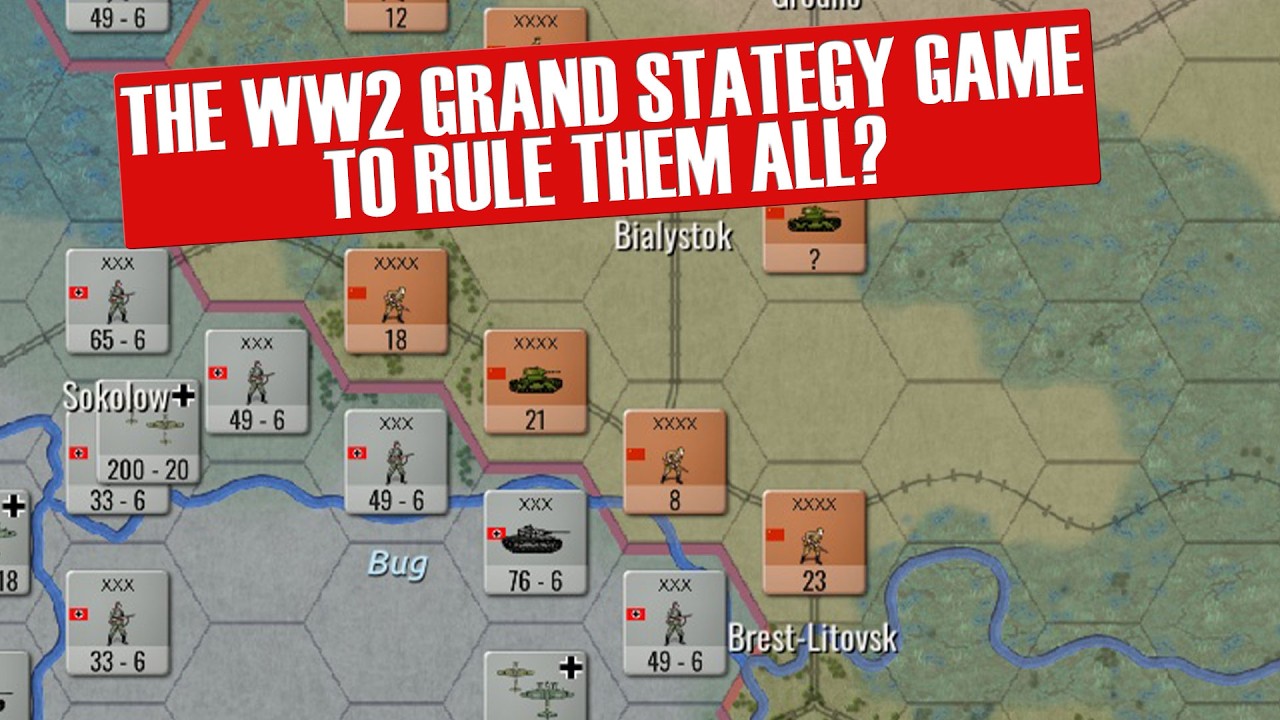
To achieve total victory in WW2: Strategy World War Games, you must look past the battlefield and master the engine of war: your industrial capacity and logistical network. Unlike tactical shooters or arcade-style war games, this title simulates the punishing reality of the 1939-1945 conflict, where an army’s ability to fight is dictated entirely by its access to fuel, ammunition, and modern hardware. If your supply lines fail or your production queues stall, even the most elite armored divisions will be reduced to static, vulnerable targets. This guide provides the strategic framework necessary to balance your national resources and ensure your military remains an unstoppable force from the opening salvos to the final objectives.
Understanding National Industrial Capacity
Your industrial capacity is the ultimate limiting factor in WW2: Strategy World War Games. It represents the finite amount of labor, raw materials, and factory space available to your nation. Every unit you produce—from basic infantry squads to heavy tanks—consumes a portion of your daily output.
- The Production Queue: Never leave your factories idle. If your queue is empty, you are effectively gifting the initiative to your opponent.
- Balancing Act: You must constantly weigh the immediate need for infantry equipment against the long-term requirement for heavy armor. A common mistake for beginners is over-producing specialized armor in the early game, which leaves their front-line infantry under-equipped and prone to breaking during defensive skirmishes.
- Infrastructure Investment: Before you can increase your output, you must invest in industrial infrastructure. Think of this as a "force multiplier." Early-game investments in factories pay dividends in the mid-game, providing the surplus needed to replace heavy losses during major offensives.
The Mechanics of Supply Line Logistics
Logistics are the veins of your army. In WW2: Strategy World War Games, a unit without a supply line is a unit doomed to defeat. The game tracks the flow of supplies from your industrial heartland to the front lines, often passing through bridges, rail networks, and supply hubs.
If your supply throughput is low, units suffer massive debuffs to their combat statistics. They will move slower, fight with less effectiveness, and become unable to hold territory against even inferior enemy forces. To master logistics:
- Identify Bottlenecks: Use the game’s supply map overlay to spot "red zones" where supply throughput is restricted.
- Protect Infrastructure: Enemy reconnaissance and sabotage often target your bridges and supply depots. You must maintain a defensive presence in your rear areas to prevent partisans or enemy breakthroughs from cutting your lines.
- Advance with Caution: Do not push your motorized or armored divisions faster than your supply lines can extend. If your spearhead moves too far beyond your railheads, they will stall, leaving them vulnerable to counter-attacks.
Strategic Deployment and Unit Interaction
Military units should never be deployed haphazardly. In this game, deployment is an investment. High-value units, such as tanks and mechanized infantry, require significantly more fuel and maintenance than standard foot soldiers.
When deciding where to commit your forces, evaluate the terrain and the logistical situation of that specific sector.
- The Breakthrough: Only commit your heavy armor to regions with high logistical throughput. These units need a constant flow of fuel to maintain their offensive pressure.
- The Defensive Shield: Use infantry divisions to hold bridges and bunkers. These units are cheaper to supply and excel in defensive terrain, allowing you to conserve your expensive armored assets for decisive, localized breakthroughs.
- The Rotation Rule: Always rotate exhausted units to the rear. A division that has been in combat for too long suffers from "Combat Fatigue," which drastically reduces its defensive effectiveness regardless of how much supply you provide.
Technological Progression and Production Bottlenecks
Researching new tech is essential, but it is also the most common cause of production failure. When you upgrade a technology, your factories must retool to produce the new version. During this transition, production of that unit type effectively stops.
To manage this, follow these three rules:
- Stagger Your Upgrades: Never upgrade your infantry, armor, and aircraft technologies simultaneously. You will cause a total collapse in production output that will leave your army defenseless for several turns.
- Focus on Doctrine: Align your research with your strategic goals. If you intend to fight a war of maneuver, prioritize engine efficiency and fuel logistics. If you are playing a defensive nation, prioritize fortification, anti-tank, and infantry durability.
- Maintain Reserves: Before initiating a major technological pivot, build up a stockpile of current equipment. This ensures that your front-line forces have enough supplies to survive while your factories are retooling for the next generation of weaponry.
Long-Term Campaign Planning and Seasonal Readiness
War is not won in a single turn; it is won over years of careful planning. WW2: Strategy World War Games features dynamic seasonal changes that impact your logistics. Winter, in particular, is a logistical nightmare. Fuel consumption increases, and movement speed across non-paved roads drops significantly.
- Winter Preparation: Stockpile fuel and increase infantry supply levels before the seasons change. If you are deep in enemy territory when winter hits, you should prioritize consolidating your gains and digging in rather than launching a risky, high-consumption offensive.
- The "Total War" Mindset: As the game progresses, the intensity of the conflict increases. You must constantly audit your resource reserves. If you find yourself in a deficit, you must be willing to sacrifice minor theater objectives to save your core industrial hubs.
By mastering these logistical and industrial levers, you transition from a player who reacts to the enemy to a commander who dictates the flow of the war. Focus on maintaining your supply lines, rotating your front-line forces, and timing your technological shifts, and you will secure total victory in the crucible of World War 2.
Free WW2: Strategy World War Games Codes
Current active codes and how to redeem them.

Sarah Williams
Sarah specializes in RPG and collection games, explaining team building, character growth, and beginner-friendly ways to avoid expensive early mistakes.
COMMUNITY
Player Comments
102 players commented on this guide.
I wish I had read this before upgrading the wrong thing.
Good guide for WW2: Strategy World War Games players. The strategy part was useful.
The explanation is clear, especially for beginners.
This saved me time in the early game.